Deworming Your Horse
More than 150 parasites infect horses through soil, water, and flies. Among the most troublesome are large and small strongyles, bots, roundworms, threadworms, tapeworms, pinworms, and lungworms.
For most horses, parasites are not a minor problem but a serious issue that can cause anemia, colic, coughing, wheezing, poor hair coat, and reduced performance. In addition, horses with parasites often cost more to feed than horses without parasites.
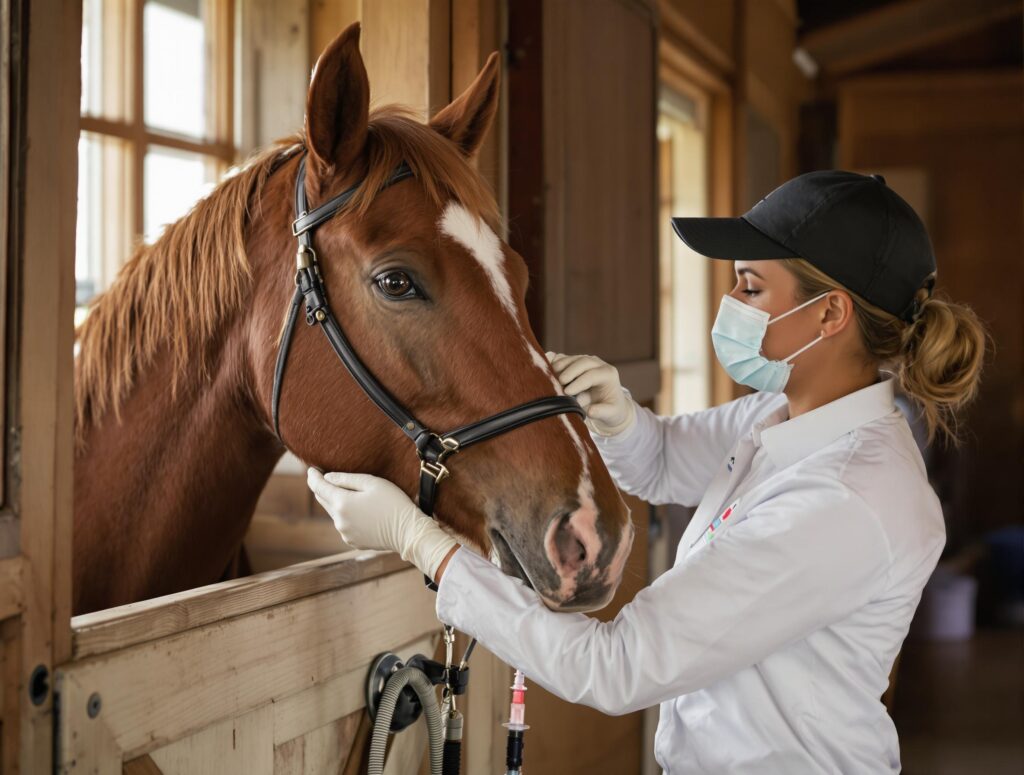
Horse wormers, also called equine wormers, are commonly provided in plastic syringes for easy dosing. Some products are also available as granules that are added to your horse’s food daily. However, resistance to daily granule wormers has increased. Horses on daily wormers may not develop the same natural parasite resistance as horses that follow a strategic deworming schedule every two to three months.
For a full range of products designed to control parasites, explore the selection of horse dewormers available.
Key Facts About Worms in Horses
More than 150 parasites infect horses through soil, water, and flies.
Horse deworming is especially important where the temperature is warm and moist because parasite eggs can survive for months in these conditions.
In colder climates, deworming is also necessary because many parasites are not killed by cold temperatures.
Products that support parasite control can be found in the horse health care category.
Horse Deworming Schedule
Each horse should follow a deworming schedule based on individual needs and the time of year when parasites are most active. These schedules help prevent damage caused by immature worms migrating through your horse’s body, as well as the damage caused by adult worms.
In general
- Foals and weanlings are dewormed every month or two until they reach one year of age.
- Adult horses are typically dewormed every two to three months, or about four to six times each year.
No deworming product eliminates 100 percent of parasites. Fortunately, total elimination is not required to improve your horse’s health and reduce contamination of the pasture.
Horse deworming is particularly important in warm and moist climates because parasite eggs survive for months in these conditions. In colder climates, deworming remains important since many parasites are not destroyed by freezing temperatures. Deworming may be less critical in extremely hot and dry regions.
Steps That Help Make Horse Deworming Successful
Following good management practices can significantly improve the effectiveness of your horse deworming program.
- Worm all horses on the same date
- Deworm new horses before integrating them with established horses
- Separate foals and yearlings from adult horses
- Use the correct deworming dose, since underdosing may increase survival of resistant worms.
- Use slow rotation of horse deworming products by using one medication for a grazing season and switching to a different active ingredient the following season.
- Avoid switching wormers every time you deworm, since rapid rotation may increase parasite resistance.
- If multiple drug resistance develops, two dewormers may be used at the same time under veterinary guidance.
- Move dewormed horses to a pasture that has not been grazed for several months.
- Use pasture rotation methods that allow time for tilling, replanting, and regrowth before horses return.
- Harrow pastures during hot months, but avoid doing so during cooler seasons
- Use feeders rather than placing feed directly on the ground
- Check fecal samples periodically for worm eggs to confirm the effectiveness of your deworming program
If fecal exams are performed before worming and again seven to ten days afterward, parasite resistance to medications can often be detected early.