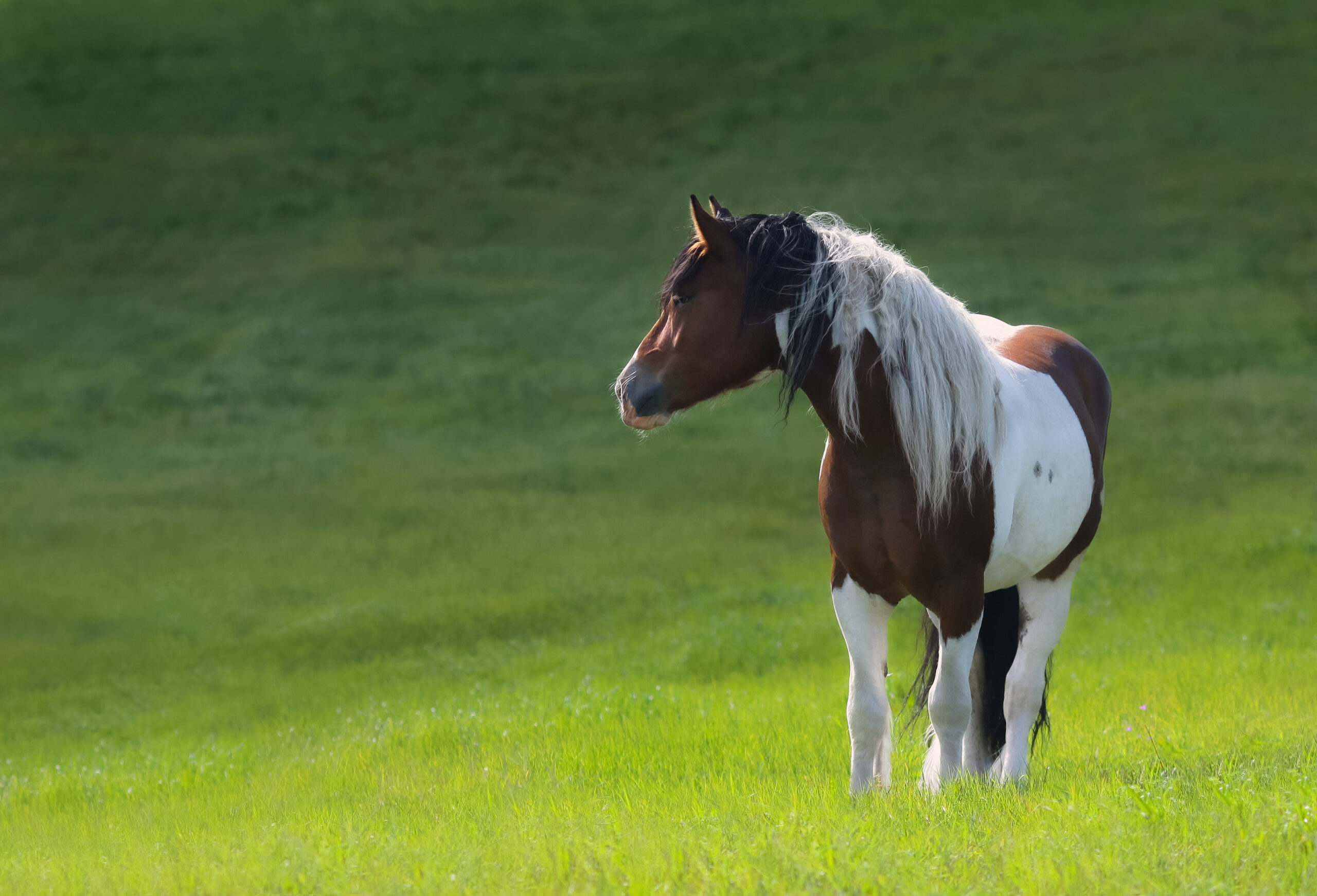
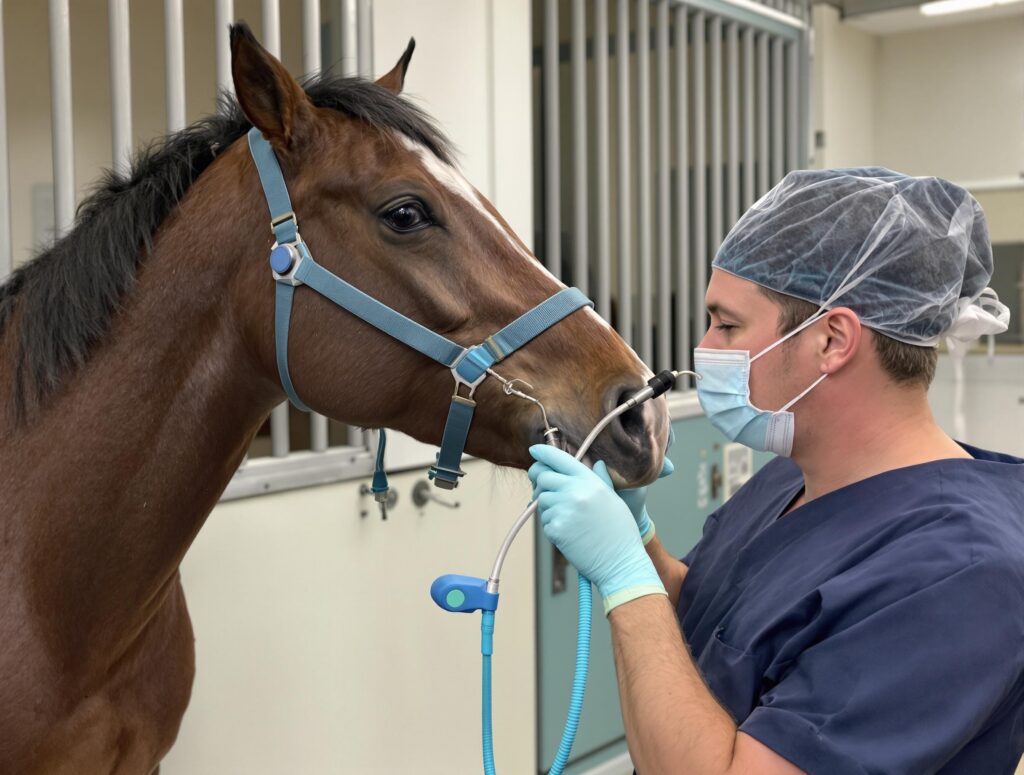
Can you tell if your horse is unhealthy just by looking at them? Though not all internal health issues in horses manifest as physical symptoms, there are some signs that they may not be feeling well. Here are some visible changes to look out for when checking in on your horse.
Ears, Nose, And Eyes
Excess moisture around your horse’s eyes and nose can indicate irritation or allergies. Green or yellow discharge typically indicates an infection.
A bluish haze in one or both eyes may be a sign of cataracts, glaucoma, uveitis, or a corneal ulcer. These conditions can be difficult to differentiate with an untrained eye. Some eye conditions can lead to blindness, but most can be successfully treated if caught early and treated by your veterinarian.
Unhealthy Hooves
Hooves that are dry, cracked, or chipped can make them susceptible to infection. Cracks are not uncommon and can develop when your horse is exposed to wet or cold conditions or walks on hard surfaces. Nutritional deficiencies are also a common factor and tend to affect all four hooves.
Proper hoof support and nutrition can help maintain hoof health. You can explore supplements and products designed for hoof support in the Horse Hoof Care category at 1800PetMeds.
Healthy vs Unhealthy Stools In Horses
A healthy horse will pass stools around six to eight times per day, though stallions and foals may defecate more frequently. Healthy stools are well-formed balls that are not too dry nor too soft and should not have a mucus coating.
A constipated horse may pass dry stools or stools with a mucus coating. Constipation may be caused by:
- Lack of access to water
- A parasitic infection
- Improper digestion is possibly associated with dental issues
Diarrhea can be caused by a bacterial infection like Salmonella or Clostridium. It can also be caused by stress associated with travel or changes in routine.
Parasites are a common contributor to digestive issues in horses. Regular deworming with products found in the Horse Dewormers category on 1800PetMeds can help manage parasite loads.
Any change in the appearance of your horse’s stools should be discussed with your veterinarian.
Unhealthy Body Condition In Horses
Your veterinarian can tell you if your horse is at their ideal body condition. In general, you want to be able to feel their ribs with your fingertips without pressing through a layer of fat, but their ribs should not be visible from a distance. Cushions of fat at your horse’s withers, shoulders, neck, and tail head can indicate excess body weight.
A big belly is not always an indicator of obesity in horses. In fact, some underweight horses have a distended belly. A distended belly can be caused by parasites, poor digestion, or bloating due to colic.
Nutritional balance plays an important role in maintaining a healthy body condition. You can explore nutritional support products in the Horse Vitamins and Supplements category at 1800PetMeds.
Changes In Behavior Or Personality
Horses are prey animals. In the wild, they must hide symptoms of illness or risk appearing vulnerable to predators. Any strange behaviors, changes in energy levels, appetite, or personality can be a cause for concern.
To keep your horse healthy, make sure their vaccines are up to date, schedule regular veterinary checkups, and check their vitals on a regular basis. Give your veterinarian a call if your horse shows any concerning symptoms.