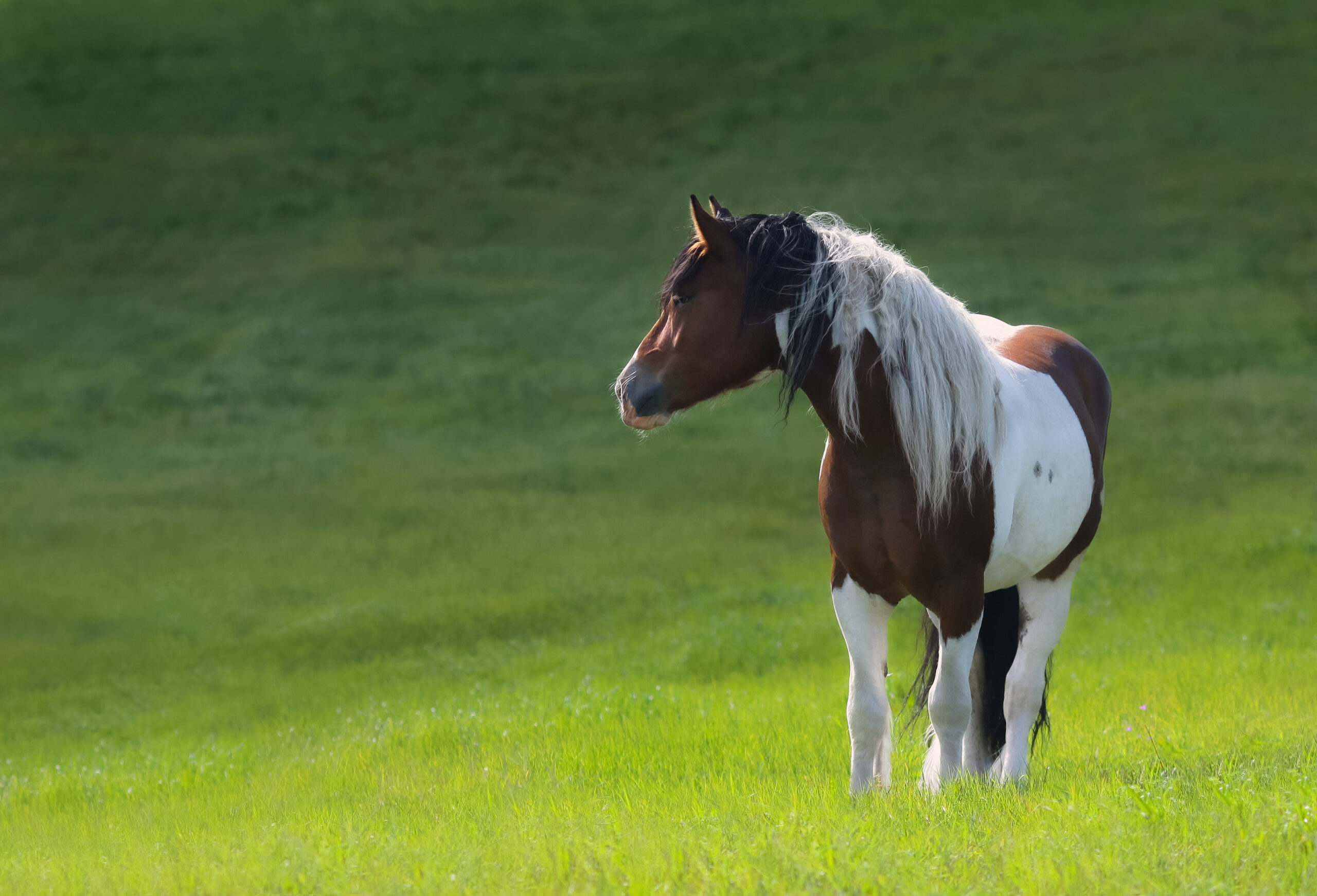
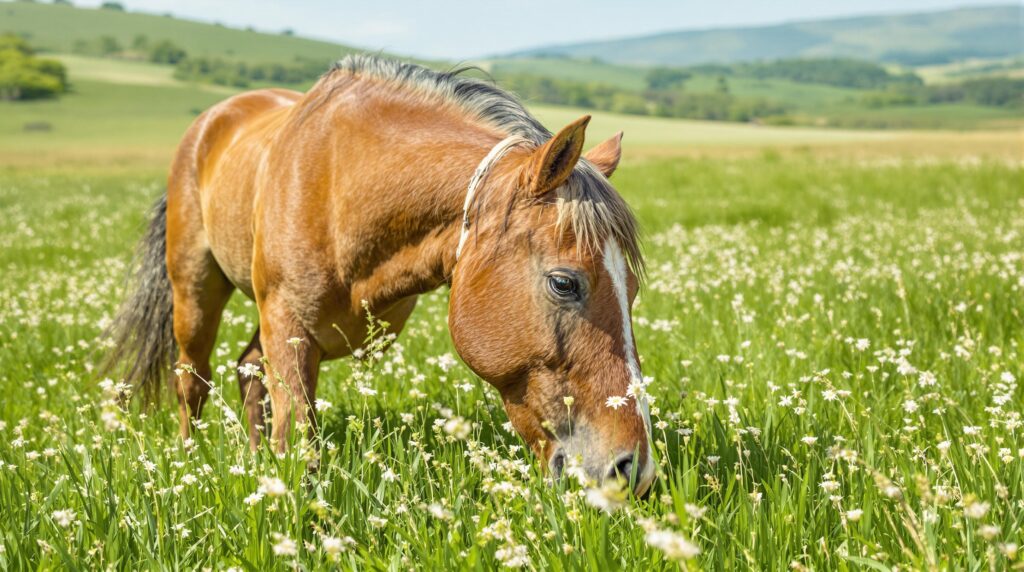
The mare’s estrus cycle coordinates with the seasons to increase the chances of successful mating and the best chance of survival for her foal. Her exposure to sunlight directly affects the schedule at which she experiences estrus cycles.
Through the winter, when daylight hours are short, mares are in anestrus. They are not receptive to stallions, and they are not able to get pregnant.
During breeding season, which begins in early spring and ends in early fall, mares go through approximately 21 day cycles of estrus and diestrus. Maintaining good health during this time with proper nutrition and routine care, including parasite control using equine dewormers such as those found at 1800PetMeds, can help support overall reproductive wellness.
Your Mare’s Estrus Cycle in the Early Spring
As early as March, mares can begin going through estrus, but these transitioning cycles tend to be irregular. Attempts to mate during this time tend to be unsuccessful. Though she may show signs of receptiveness, your mare may not necessarily be ovulating yet.
By about mid April, you can expect your mare’s estrus cycle to become more regular and predictable. This period is also when her estrus, or receptive period, is the longest.
Estrus lasts for up to 9 days. During this period your horse will ovulate. She will be sexually receptive to stallions and can become pregnant, peaking in receptiveness and fertility around the end of each estrus cycle. So if she is in estrus for 7 days she may ovulate around day 5.
After her estrus period, your mare goes into diestrus. Diestrus lasts for about 11 to 18 days until she goes into estrus again. The diestrus period may be shorter or longer depending on the length of her estrus. The total mating season estrus diestrus cycle lasts around 21 days.
Routine veterinary care and nutritional support can help maintain reproductive health during this time. Many owners also support overall wellness with supplements from the equine vitamins and supplements category.
Your Mare’s Estrus Cycle During Peak Breeding Season
The summer solstice occurs on June 20, 21, or 22, which is the longest day of the year.
During and around the summer solstice, a mare is most likely to breed successfully. She will be receptive for about 2 to 3 days during this time. Keeping mares comfortable and protected from pests during the warmer months can also support breeding condition. Fly control products such as those available at 1800PetMeds, can help reduce irritation and stress during breeding season.
Transitioning Out of Breeding Season
Mares continue to go into estrus until early fall. As the days get shorter, their cycle will again become irregular, and they may be less likely to conceive.
This natural transition prepares the mare for the winter anestrus period when reproductive activity slows until daylight hours begin increasingthe following spring again.