Horses have a simple single-stomach digestive system, not unlike a human’s, though they consume about 20 pounds or so of fibrous hay and grass each day. It is no wonder they are so susceptible to painful stomach issues.
Around 10 percent of horses will experience colic at least once in their lifetime. Colic is a general term for pain and pressure associated with a digestive issue like compaction or excessive gas buildup.
Ways To Prevent Colic In Horses
Avoid Feeding Off The Ground
Horses can ingest sand when they eat off the ground or if there is sand in their hay, particularly when they live in sandy regions like Florida or Arizona. Sand or other foreign materials, like gravel,l can cause impaction colic. Using feeders or mats can help reduce the amount of sand your horse consumes while eating.
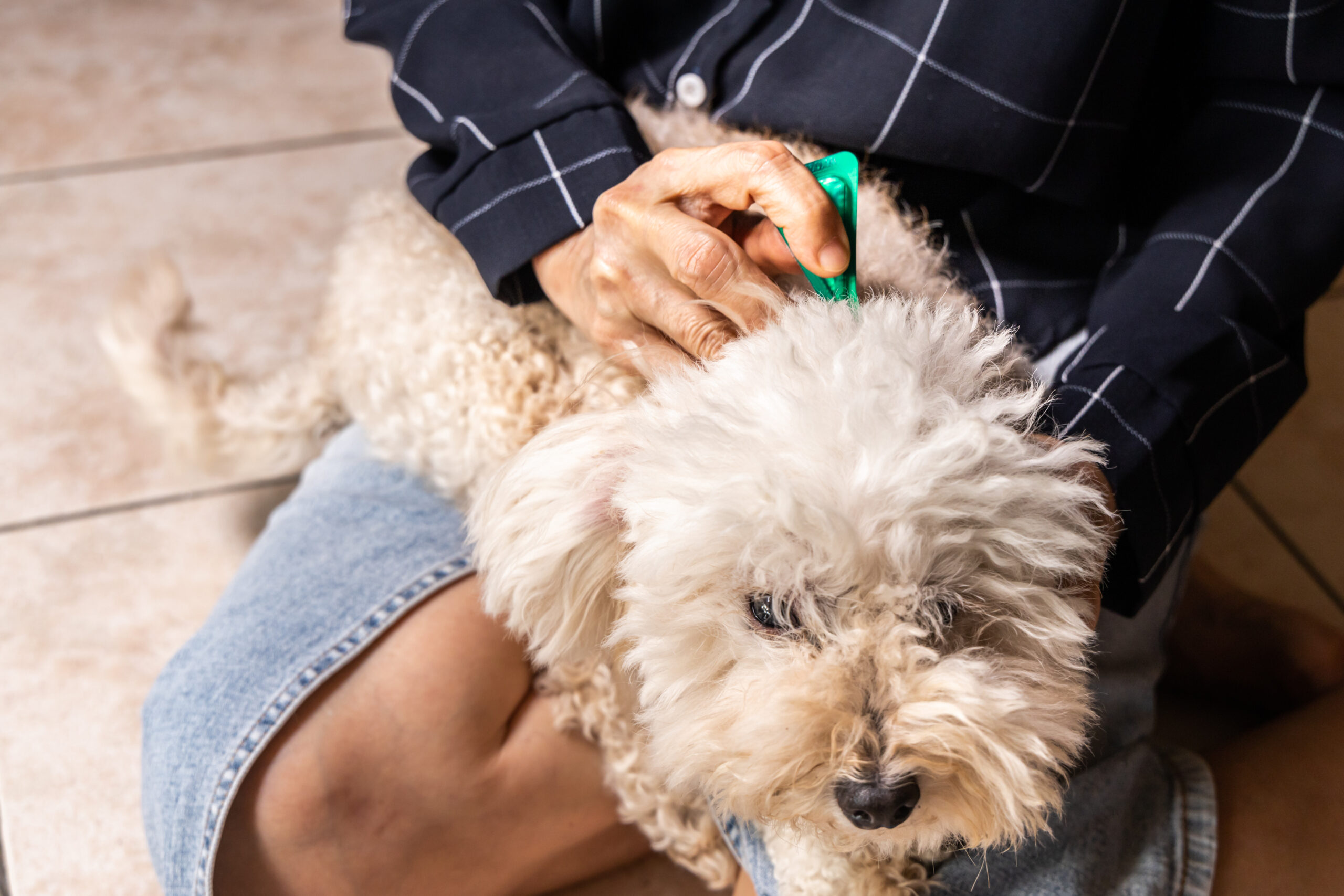
Deworm Regularly
Impaction can also occur if your horse’s gut becomes overloaded with parasites. Horses that are not dewormed regularly may have an impaction of dead worms when they are finally wormed. Maintaining a consistent deworming routine with products from the horse dewormers category can help support your horse’s digestive health.
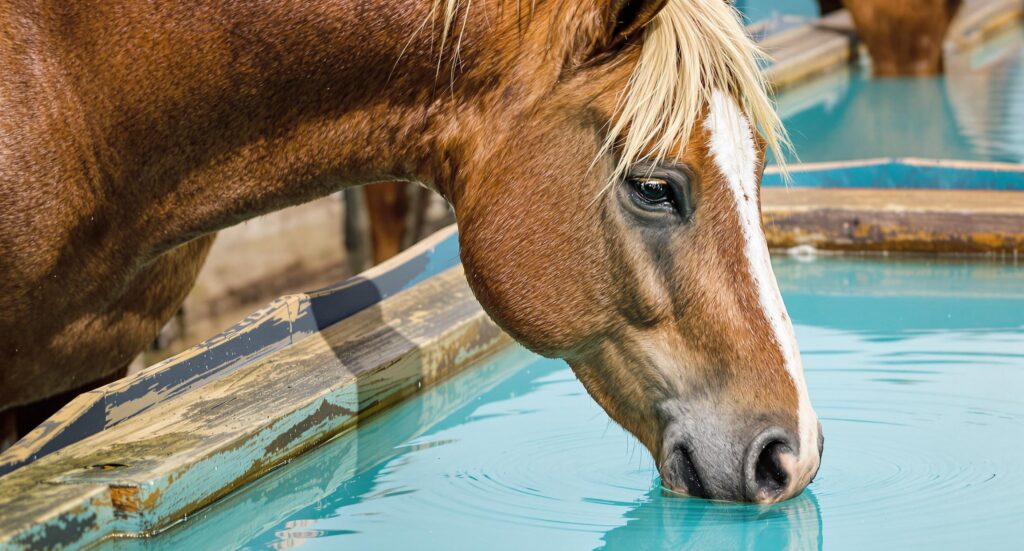
Give Your Horse 24/7 Access To Water
Make sure your horse always has fresh, clean water and ensure it does not freeze over in the winter. Horses are especially prone to bowel impaction due to dehydration in the winter because they normally get much of their water intake from the moisture content in grass. This becomes unavailable to them in the winter,r and they may be reluctant to drink frigid water.
Supporting hydration and gut function with products from the horse digestive supplements category may also help promote healthy digestion.
Avoid Feeding Large Amounts Of Grain
Feeding whole grain or corn feed has been shown to increase the risk of colic by 70 percent for each pound of grain. Grains tend to ferment in the hindgut, generating a buildup of gas. If you must feed concentrates, consider feeding your horse’s daily serving split into smaller meals throughout the day.
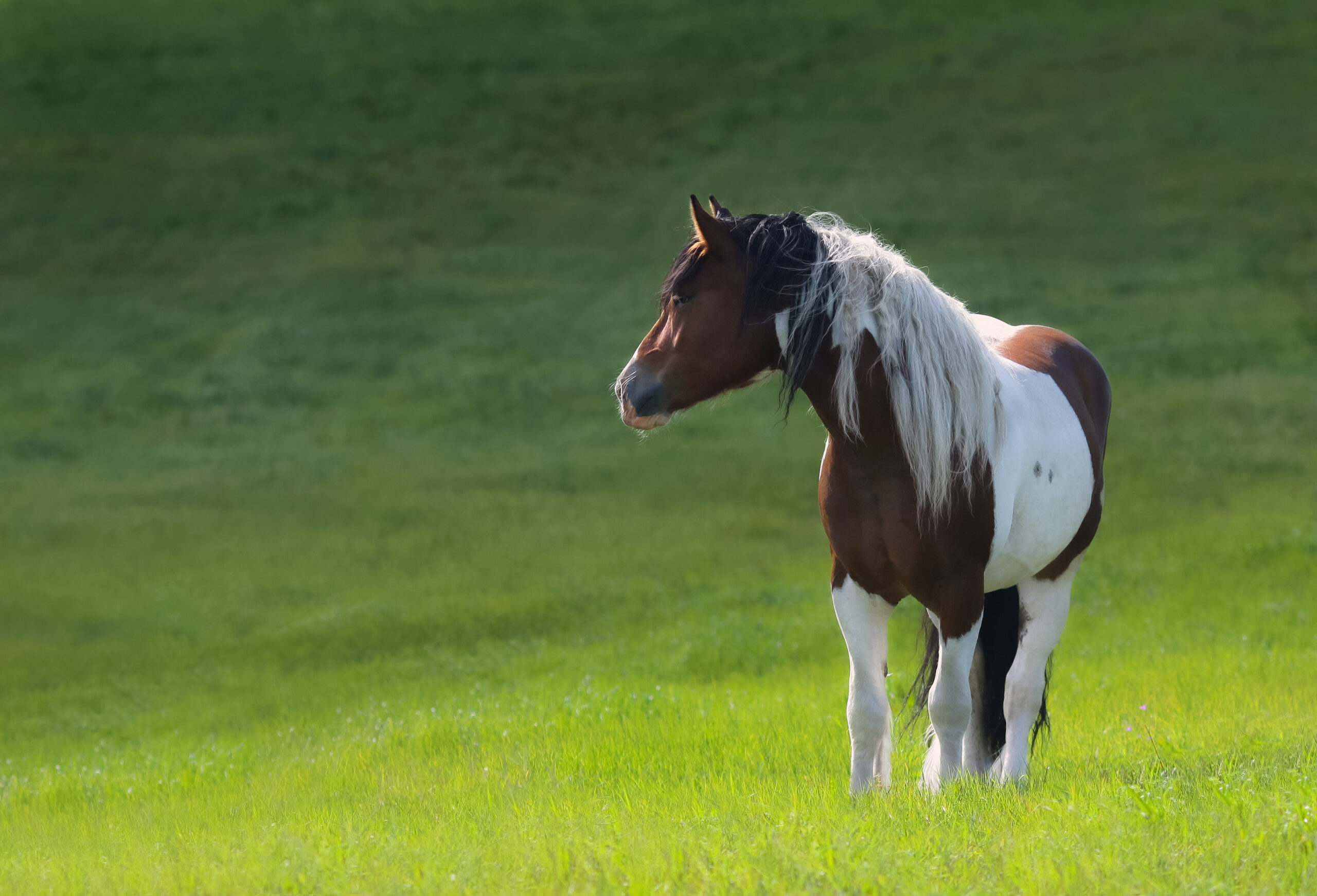
Give Your Horse More Turnout Time
Horses that spend more time turned out to pasture are less likely to have a colic episode. Regular movement supports normal gut motility and allows horses to graze more naturally throughout the day.
Care For Your Horse’s Teeth
Dental pain can alter the way your horse chews their food. Poorly chewed food can contribute to an impaction. Have your horse’s teeth floated at least once yearly, and see your veterinarian if your horse shows signs of dental pain. You can also explore products that support oral and overall health in the horse vitamins and supplements category.
When Colic Happens
While many episodes of colic are preventable, some seem to occur for no particular reason. Colic can sometimes be triggered by stress from traveling, sudden weather changes, or a new horse in the stable. Monitoring your horse closely and contacting your veterinarian at the first signs of discomfort can help ensure they receive prompt care if colic occurs.