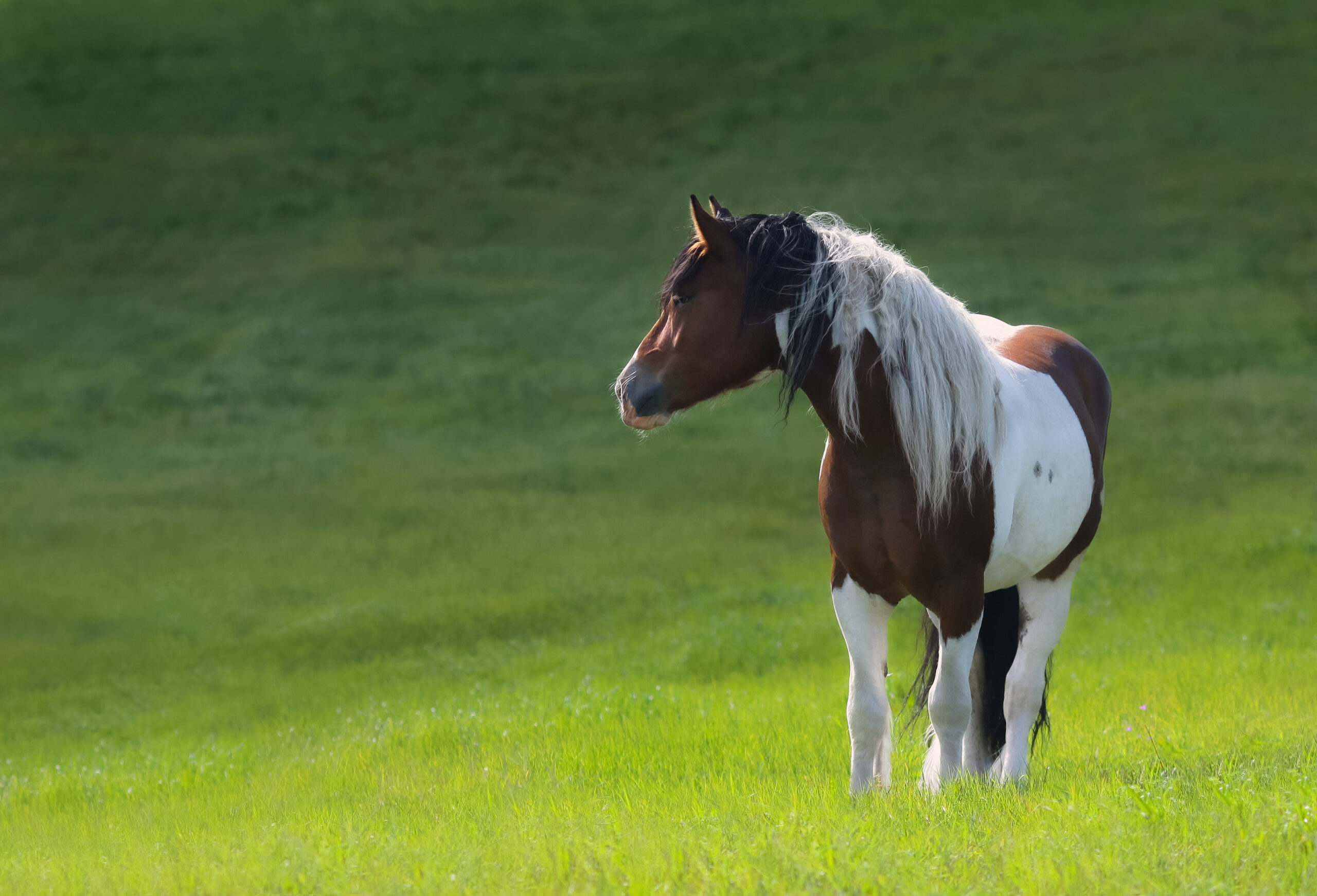

With spring blooms, flying insects are in search of nectar. You and your horse are bound to run into bees, yellowjackets, and wasps on warm-weather rides and around the stables. Use these tips to stay out of their way and stay safe during an inevitable encounter.
Bees And Wasps In Your Horse’s Environment
Bees and wasps build nests in eaves, under sheds, in trees, behind siding, and on many horizontal outdoor surfaces. Check your stables periodically for insect nests. Also, check unused stalls, trailers, or any quiet area before allowing your horse to enter.
Certain scents naturally repel stinging insects. You can try planting mint, cucumbers, basil, citronella, or marigolds around areas your horse frequents to help keep insects away.
In addition, many horse owners use protective products like fly sprays and repellents to discourage biting and stinging insects around horses. Browse available options in the Horse category for products designed to help keep pests away from your horse.
Avoid Attracting Stinging Insects
Bees and wasps are attracted to anything sweet. Avoid carrying sugary drinks while riding. Get rid of rotting fruit in garbage cans and near fruit trees. Stinging insects can also be attracted to sweet-smelling perfumes and body lotions.
Wasps are also attracted to protein odors like meaty cat food, so any pet food bowls are best kept indoors.
Avoid wearing vibrant colors, especially yellow, and any floral prints. Dark colors can also set off stinging insects. White, grey, tan, and cream are all safe colors.
Keeping your horse comfortable with proper insect protection can also reduce agitation caused by bugs. Many riders rely on sprays and topical products found in the Horse section to help manage insects around barns and pastures.
Ride Safety During Bee and Wasp Season
While you may run into bees, wasps, or yellowjackets on any warm day, these stinging insects become more aggressive at the end of the summer when food becomes more scarce.
While you can spot nests and hives in trees, yellowjackets tend to nest in the ground in rodent burrows. From above, their nest can be difficult to detect until your horse finds it with their hooves. Stick to well-worn trails to avoid hidden nests.
Always have a plan in case you do encounter stinging insects. Even a gentle horse may buck you off and run away if stung. It is always a good idea to ride with others and carry a cell phone in case you are separated from your riding group.
If you are sensitive to insect stings, always carry a first aid kit with supplies for you and your horse, including an Epi Pen and or Benadryl. Having equine health supplies on hand can be helpful in many emergencies. You can explore helpful products in the Horse Category.
What To Do If Your Horse Is Stung
If your horse is stung just once, they will likely have some redness, soreness, and itching at the sting site. You can cool down the area with ice or by hosing titdown, and you can apply aloe to the sting as well.
Honey bees leave behind their stinger. You can gently remove the stinger from your horse’s skin with tweezers.
Watch your horse closely over the next several hours following a bee or wasp encounter, especially if they have been stung multiple times. Horses can be oversensitive to insect stings and can go into anaphylactic shock.
Signs of a serious reaction include
- Severe swelling
- Trouble breathing
- Elevated heart rate
- Hives
If you notice any of these symptoms, contact your veterinarian immediately.