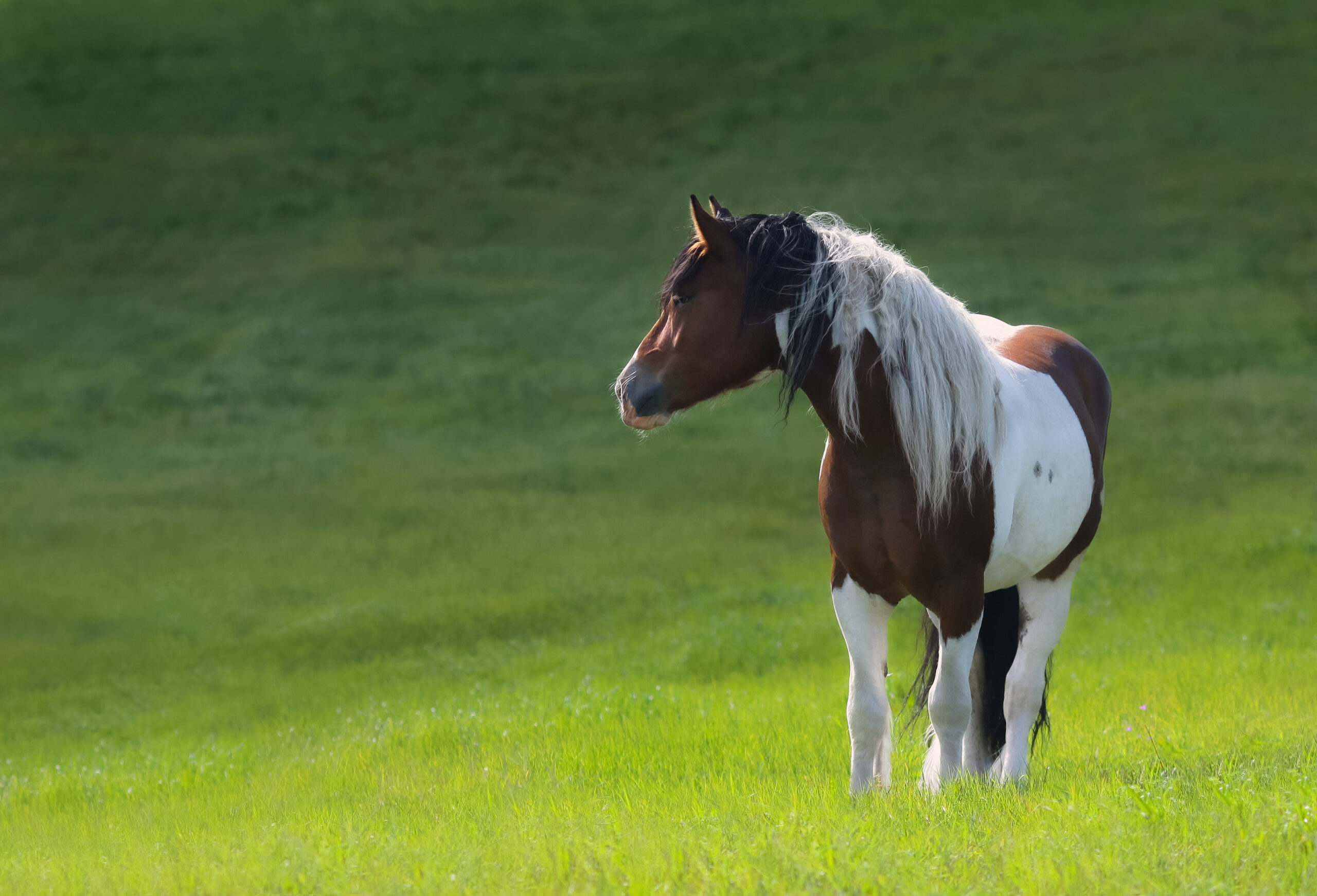
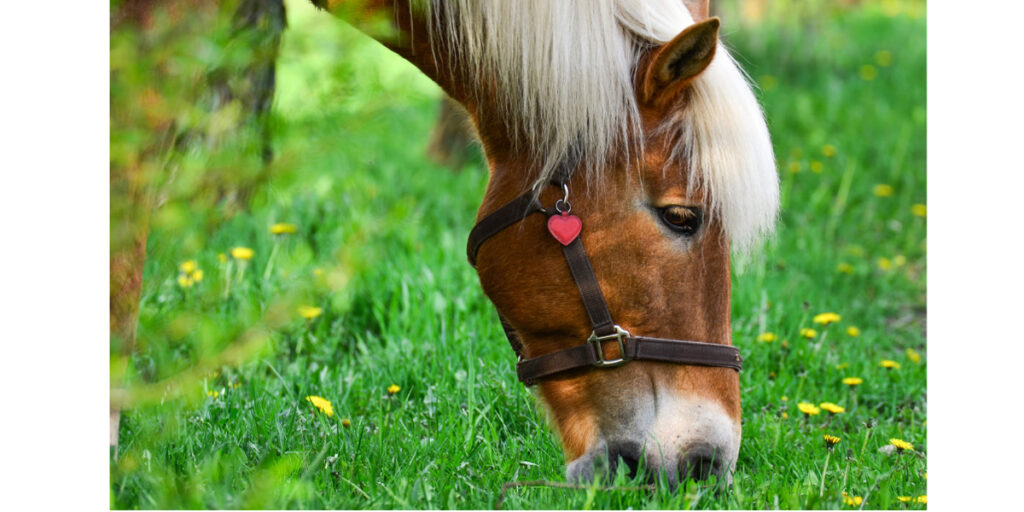
Many horse owners feed their horses grains and fats. But did you know that horses are designed to eat grass and sometimes have trouble digesting the grains and fats fed to them? If your horse has digestive upset, such as diarrhea or bloating, digestive enzymes may help. Evaluating your horse’s diet is also a good idea. A horse’s diet should consist primarily of pasture, hay, and water to help avoid potential digestive upsets. Always consult with your veterinarian to determine the root cause of your horse’s digestive problems.
Horse owners who are looking for supportive products may find helpful options in the PetMeds selection of horse digestive care products. You can explore available supplements and digestive support options.
Give Your Horse a Digestive Aid
Digestive enzymes can help your horse digest grains and fats more efficiently. Fast Balance G.I. is an easy to administer digestion aid that helps your horse with various gastrointestinal issues including diarrhea and garbage gut or issues related to stress, age, or food sensitivities. It is especially beneficial for older horses that may need additional digestive support.
This product has no known side effects, but you should always contact your veterinarian if your horse’s symptoms do not improve. Additionally, make sure you do not exceed the recommended dosage since this can worsen your horse’s intestinal problems.
If your horse frequently experiences digestive issues, you may also want to browse a wider range of equine supplements designed to support gut health and overall wellness.
Monitor Your Horse’s Diet
Did you know that horses cannot vomit? The strong muscle at the junction of a horse’s esophagus and stomach makes it physically impossible for a horse to vomit. This means that if a horse ingests a harmful food item, the horse will not be able to expel it from the body. If you suspect your horse has eaten a dangerous substance, contact your veterinarian immediately.
Supporting digestive health also involves careful feeding practices. Consider the following tips:
- Provide consistent access to clean water
- Base your horse’s diet on quality forage such as pasture or hay
- Introduce new feeds gradually to avoid digestive upset
- Monitor your horse for signs of diarrhea, bloating, or reduced appetite
For additional health products that support overall equine care, horse owners can explore the full range of treatments and health products available here.
Maintaining proper nutrition, monitoring your horse’s diet, and using appropriate digestive supplements when needed can help support long-term digestive health.