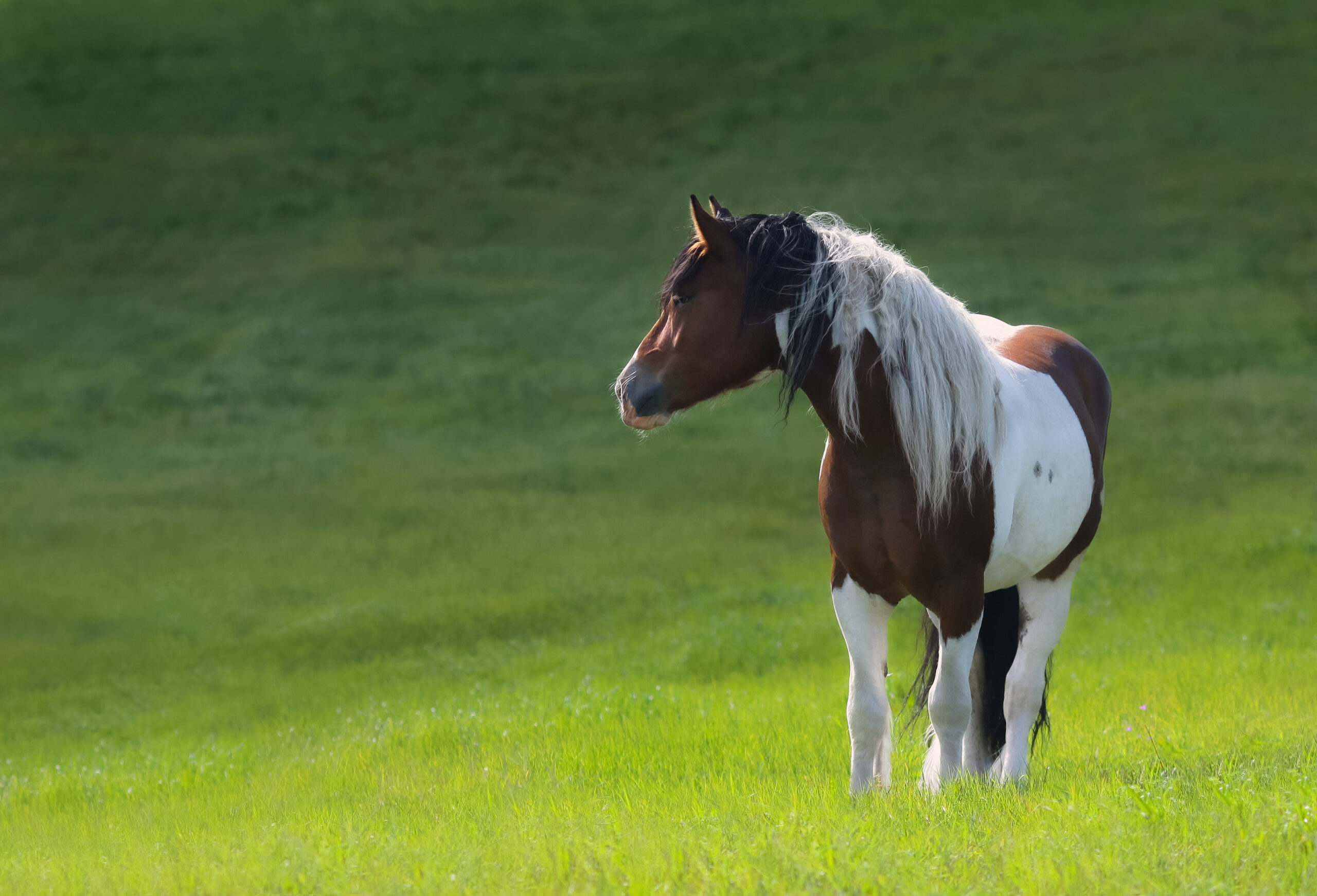

As your horse grazes out in the pasture, it is constantly exposed to the smorgasbord of parasites that lurk in the soil.
Horses are most frequently affected by small strongyles, parasites that latch onto your horse’s intestinal wall and lay eggs. The eggs are passed through the horse’s feces and contaminate the grass, where they are then ingested by another horse, continuing their life cycle.
It is natural for your horse to have some parasites in their digestive system at any given time, but when that parasitic load becomes too high, it can lead to digestive complications such as impaction, colic, diarrhea, constipation, and weight loss. With parasite control through deworming and environmental management, you can keep your horse safer from parasite-related health issues.
Your Horse’s Ideal Deworming Schedule
You can work with your equine veterinarian to come up with a deworming schedule that works best for your horse. The frequency at which they will need to be dewormed depends on their age, travel frequency, grazing habits, where you live, and whether or not your horse is a high shedder.
While most horses have some internal parasites, some shed more eggs in their feces than others. Horses that share a pasture also share parasites, but approximately 15 to 30 percent of horses will shed roughly 80 percent of the eggs, doing more than their fair share to keep the parasite population growing.
High shedders need to be dewormed more frequently to keep the parasite population under control. Low shedders, on the other hand, should be dewormed less frequently, as excessive deworming can lead to parasites becoming resistant to the dewormer drug. Many horse owners manage parasite loads with products available in the equine wormers category.
How to Identify High Shedders
Conduct fecal egg count testing before and after deworming. It is the most reliable way to determine if a particular dewormer is working and which horses shed eggs through their feces at the highest rate.
Your veterinarian can help interpret fecal test results and recommend appropriate treatment plans using products such as those found in the horse health supplies category.
Environmental Parasite Control for Horses
Making changes to your horse’s environment can help control parasites and prevent over-reliance on dewormers.
As parasites begin their life cycle as eggs shed through feces, you can greatly decrease your horse’s risk of parasitic overload by simply removing manure from the pasture.
You should dispose of manure at least twice a week to help keep parasites under control.
Rotating pastures is another way to help protect your horse. Parasites thrive in warm, wet conditions, but they will quickly die off on a dry, hot day, which makes that an ideal time to rest a pasture.
You can also rotate pastures with goats and sheep, since those species are not affected by the parasites that affect horses.
Additional Tips for Managing Parasites
- Remove manure from paddocks and pastures regularly
- Avoid overcrowding horses in small grazing areas
- Provide clean feed and water sources
- Work with your veterinarian to monitor parasite levels
Combining proper pasture management with strategic deworming helps keep parasite levels under control and supports your horse’s digestive health.