Blanketing your horse can help them stay warm through the coldest months in the winter, but like any gear that lies close to the skin, a blanket can create friction when your horse moves, leading to hair loss and painful blanket sores.
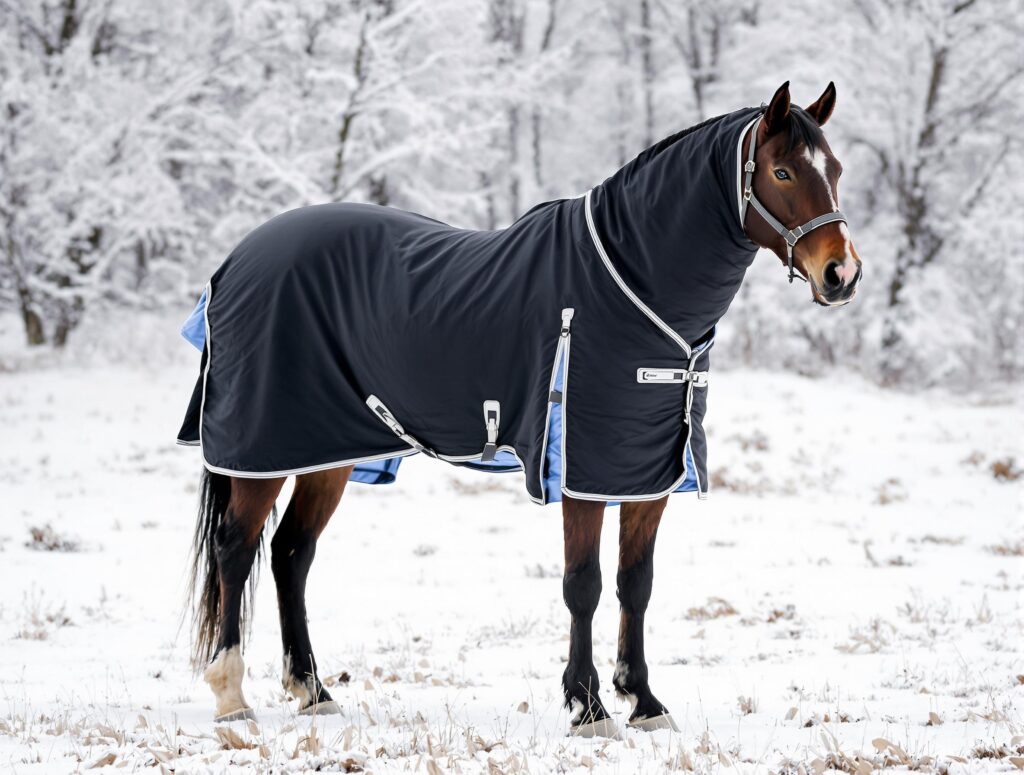
Blanket sores are usually a sign that your horse’s blanket is not the best fit for them, especially if you notice sores or hair loss at the withers, shoulders, or hips. For horses with high withers, a blanket with a high neck or wug style fit can reduce sores. A deep V front can prevent rubbing when your horse lowers their head. You may need to experiment with different styles to see what fits your horse best.
Keeping your horse’s skin healthy also plays an important role in preventing irritation. Many owners use products from the equine skin and coat care category to support skin health and reduce discomfort from rubbing.
Try a Blanket Liner
A blanket liner acts as a barrier between the blanket and your horse’s body, helping to reduce sores and hair loss caused by friction. A blanket liner may be made of soft fleece that is gentle on your horse’s skin and coat. There are also slippery nylon liners that reduce friction.
If your horse is already experiencing irritation, supportive skin care products from the horse wound care category may help soothe affected areas and support healing.
Does Your Horse Really Need a Blanket?
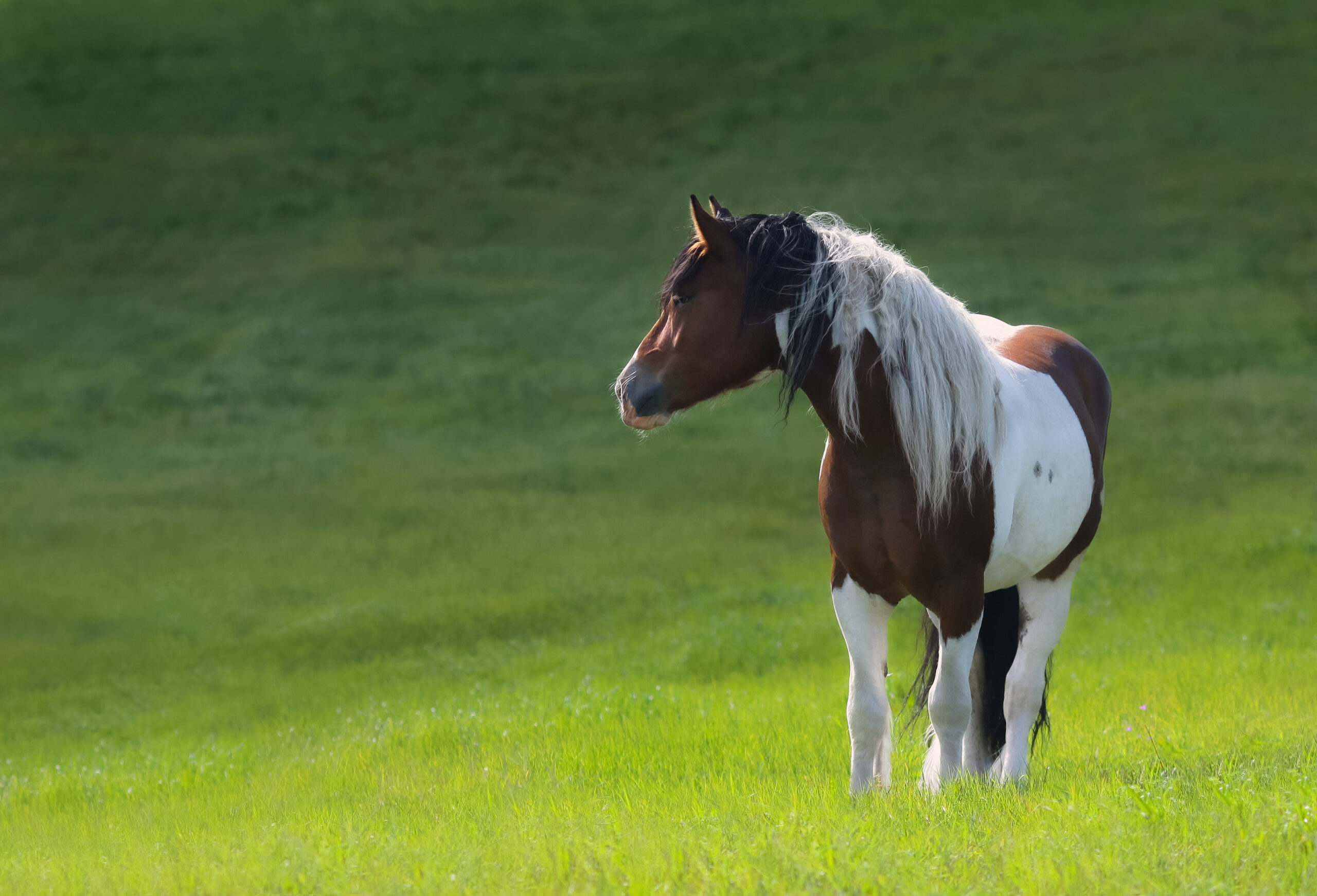
Blanketing is a hot topic among horse owners. If your horse grows a thick winter coat and they are relatively healthy, they may not require a blanket until at least after December 22. In the days leading up to the winter solstice, your horse’s winter coat grows in, and leaving your horse uncovered may help promote growth. After December 23 or so the winter coat starts to shed again, so some horse owners wait until then to use a blanket.
Your horse’s digestive process generates body heat and that may be enough to help them stay warm without a blanket. However, horses that do not grow an adequate hair coat, those in extremely cold climates, and very young or senior horses may still need a blanket.
Maintaining overall health during the colder months can also help horses tolerate winter weather more comfortably. Some owners support their horses with products from the horse supplements category at 1800PetMeds.
Excess Moisture Leads to Blanket Sores
Moisture trapped under the blanket can exacerbate skin irritation. If your horse’s blanket is too heavy, it can lead to sweating and excess moisture. You may also need to wait for your horse to dry off after sweating during exercise before blanketing.
If your horse stays outside when it rains or snows, they may need a blanket with a waterproof outer layer to help them stay dry.
Preventing Blanket Sores From Getting Worse
If you are starting to notice blanket sores on your horse, you will want to keep them under control so they do not become open wounds. A topical treatment like TrizCHLOR 4 Spray Conditioner conditions the skin and coat, soothes irritation, and helps promote skin healing.
Monitoring your horse’s skin regularly and addressing rubbing early can help prevent minor irritation from turning into more serious wounds.