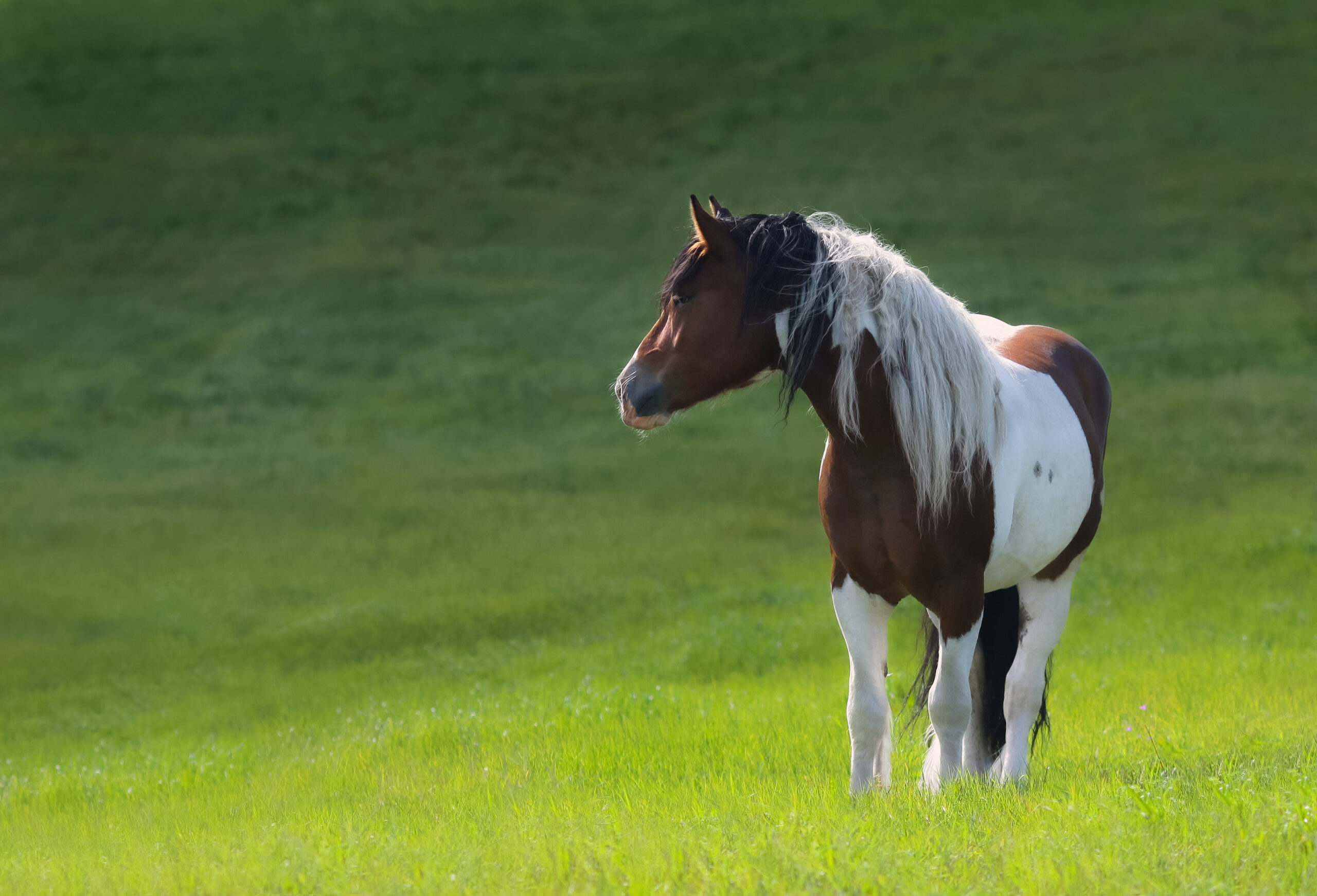
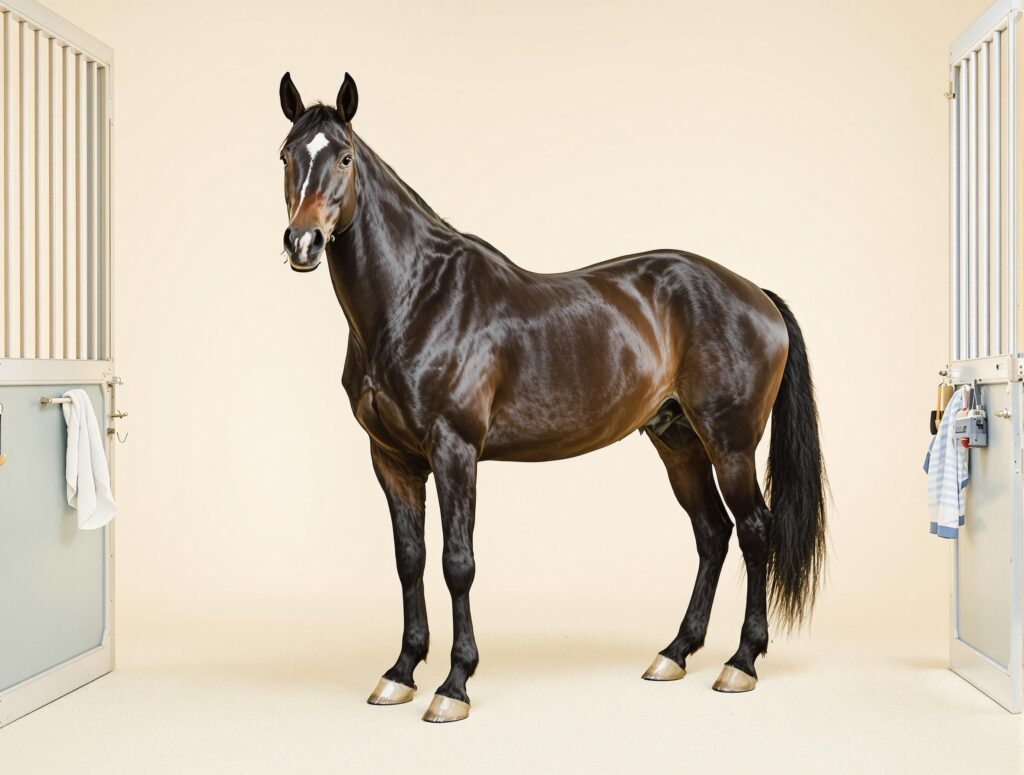
The bacteria and fungus that cause thrush in horses thrive in moist places. When it is wet and muddy in the winter and your horse is spending more time in their stall, it can create the perfect environment for a painful thrush overgrowth. Protect your horse from thrush this winter with these helpful tips.
Proper winter hoof care and the use of products from the PetMeds horse health collection can help reduce the risk of infection and keep your horse comfortable during the colder months.
Keep Your Horse Stall Clean And Dry
A stall that is not mucked often enough may create a breeding ground for bacteria and fungus. Your horse stall should be mucked out one to two times per day. Make sure the stall is well drained and ventilated, and keep it dry with fresh, clean bedding.
Maintaining a clean environment is one of the most effective ways to prevent hoof infections and reduce the need for additional treatments.
Ensure Your Horse Gets Enough Exercise
Even in the winter, regular exercise is important to promote circulation to the hooves. If possible, give your horse plenty of opportunities to exercise in a dry environment, especially if their stall is not well ventilated.
Healthy circulation helps maintain hoof health and may reduce the likelihood of infections that require products from the Horse Medications category at 1800PetMeds.
Hoof Care To Protect Your Horse Against Winter Thrush
Pick your horse hooves at least once daily. Make sure the hooves are trimmed properly and regularly. If your horse already has thrush, you will need to see your farrier, who will cut away necrotic areas so the treatment can reach healthy tissue.
Look out for signs of thrush, which include:
- A rotting odor coming from the hoof
- Pasty or blackish discharge around the frog
- Sensitivity or pain when the hoof is touched
- Reluctance to put weight on the affected hoof
Early detection allows horse owners to treat the condition quickly using products available in the Horse Hoof Care category at 1800PetMeds.
Avoid Home Remedies
There are many effective treatments for thrush that are accessible and affordable. There is no need to reach for caustic chemicals like bleach. Harsh household chemicals can cause unnecessary pain upon application, may harm living tissue, and can make your horse more susceptible to thrush.
Remedies such as bacon grease or motor oil seal off the affected area from oxygen, creating an environment where anaerobic bacteria thrive and allowing the infection to worsen.
Protective Treatments For Thrush
Thrush Buster is a preventative treatment that is applied weekly to help protect your horse against thrush. It works by creating an antiseptic barrier that helps control bacteria and fungus that cause thrush.
For severe cases of thrush, it may be necessary to bandage the hoof to protect the frog while it heals. In mild cases, bandaging may not be needed, and leaving the hoof uncovered can help the hoof stay dry and recover more quickly. Using veterinarian-recommended products from the Horse Health Supplies category at 1800PetMeds can support faster recovery and help maintain healthy hooves throughout the winter season.