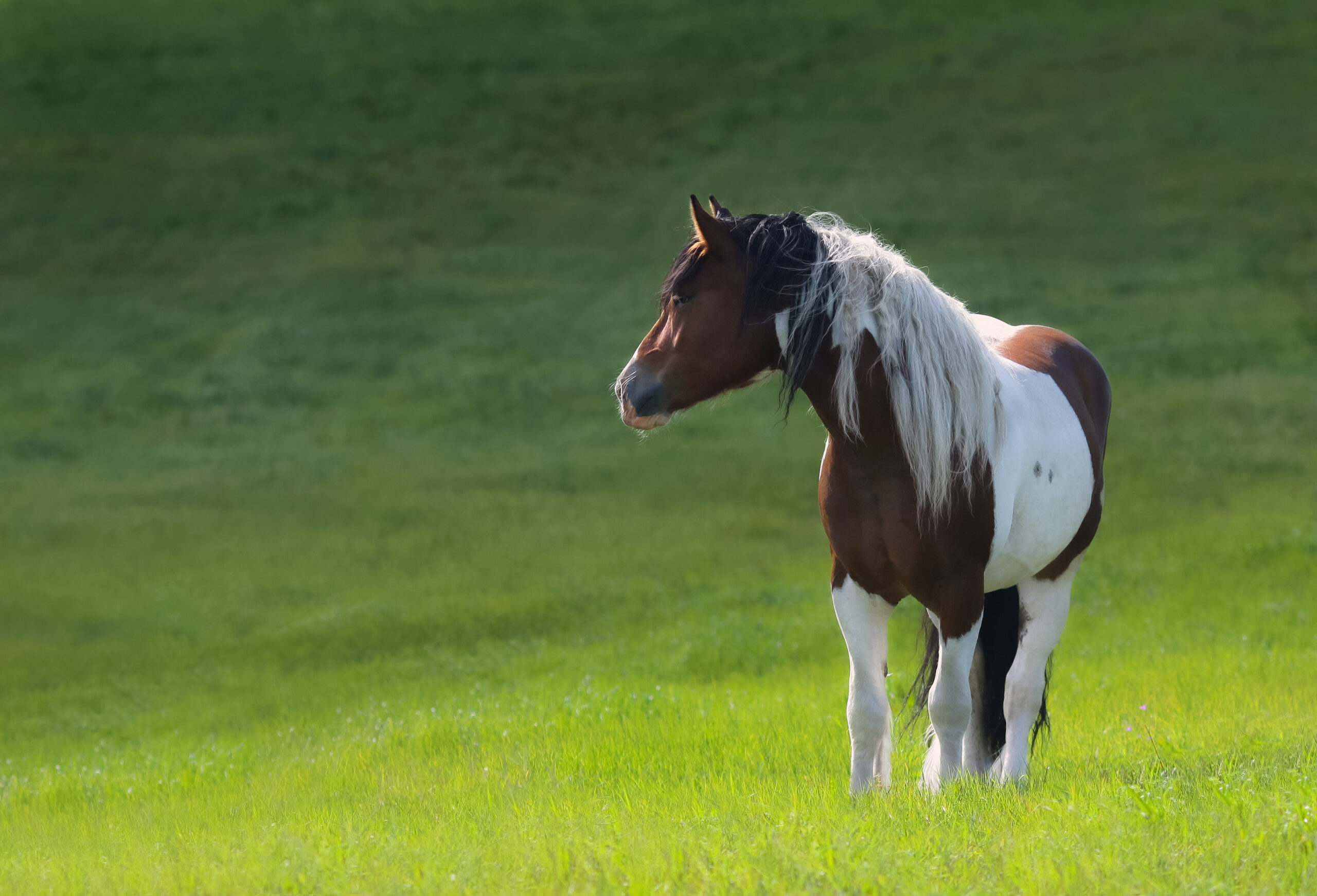
As the temperature rises, so does your horse’s risk for hot weather dangers. Horses are prone to sunburn, heat stroke, and dehydration in hot weather, especially if they are very active in the summer months. Fortunately, you can keep your horse safe and healthy no matter how hot it gets with these hot-weather horse care tips. Supporting your horse with proper care, hydration, and the right equine health products from PetMeds can make a significant difference during the hottest days of the year.
Choose Cooler Ride And Turnout Times
Be sure to check the weather reports daily. You will want to keep an eye on the daily peak temperature as well as the relative humidity. The more humid it is, the less effectively your horse’s sweat is able to evaporate, which compromises your horse’s ability to regulate body temperature.
Simply add the air temperature to the relative humidity to estimate whether it may be too hot to ride your horse. Take extra caution if this number is over 150.
Avoid turning out your horse or riding them in the middle of the day. The temperature usually rises by 10 AM and peaks around 3 PM. It is best to ride in the early morning while the air is still cool or after 5 PM when temperatures begin to drop.
Provide Plenty Of Shade
Naturally, it can be difficult to keep your horse inside on a nice summer day. When horses are turned out, they should have plenty of shade to keep them out of direct sunlight. Trees or an open shed can provide shelter from the blazing sun and help prevent overheating.
In addition to shade, many horse owners also support their horses’ health with nutritional support found in the PetMeds Horse Vitamins and Supplements category.
Hose Or Mist Your Horse
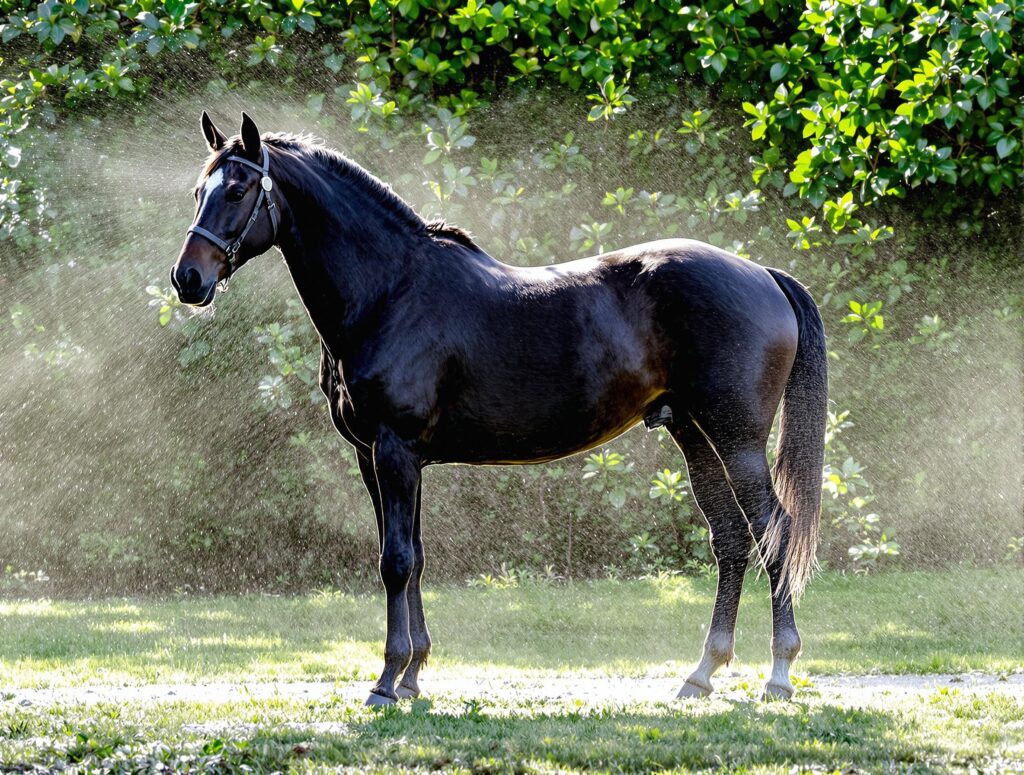
You can hose your horse down anytime they could use relief from the heat. Cooling the large muscle groups along the neck, chest, and hindquarters can help lower body temperature.
A mister system is an even more efficient way to keep your horse cool during the summer months. You do not necessarily need a permanent misting system. A misting fan can be set up in many barn or stall areas to help circulate cool air.
Protect Your Horse From Sunburn
Horses with light skin or sparse coats can be prone to sunburn. If your horse must be out during the middle of the day or early afternoon, protect sensitive areas such as the ears and nose with equine sunscreen.
You can also support skin health with grooming products available in the PetMeds Horse Skin and Coat Care category.
Protect Against Dehydration
Hot weather can prompt your horse to drink more water, but they may not always drink enough to stay properly hydrated. Change the water at least once each day to ensure it stays clean, cool, and inviting. You can also soak your horse’s hay to increase moisture intake.
Providing access to a mineral salt lick can encourage your horse to drink more water. Salt also helps replace electrolytes that horses lose through sweating. Many horse owners support hydration and recovery with products found in the PetMeds Horse Supplements category.
Signs To Watch For In Hot Weather
Check your horse for signs of dehydration each day. One simple method is the skin fold test. Gently pinch up a small fold of skin on the lower chest. The skin should quickly snap back into place. If the skin remains tented or slow to return, dehydration may be present.
Other signs of dehydration include:
- Dry eyes
- Elevated heart rate
- Reddened gums
Give your horse water immediately and contact your equine veterinarian if their condition does not improve.
Lethargy, restlessness, stumbling, and collapse are all symptoms of heat stroke. If you suspect your horse is experiencing heat stroke, move them out of the heat right away, cool them down with water, and contact your equine veterinarian immediately.
Staying proactive with proper care, hydration, and preventative health support can help keep your horse safe and comfortable throughout the hottest days of the year.