For an athletic horse, an infection can mean a devastating interruption at the peak of their career. For older horses, an infection can develop into a severe illness or even become life-threatening. With practical biosecurity measures, you can protect your horses against the spread of infectious diseases and support long-term equine health.
Whether your horses travel for competitions, breeding, or training, or usually stay on your property, these simple steps can help keep them safe and healthy.
Understand How Equine Diseases Spread
Equine diseases can spread quickly between horses kept in close quarters. However, disease can also spread in many indirect ways, even between two horses that have never been in direct contact.
Disease can spread by:
- Direct horse-to-horse contact, especially nose-to-nose
- Airborne transmission propelled by coughing and sneezing
- Indirect contact with contaminated surfaces such as shared equipment, communal water tanks, or stable walls
- Human contact through hands, clothing, or shoes
- Insect bites
When traveling or quarantining a horse, wash your hands thoroughly, change your clothes, and use a foot bath between handling horses. Use hand sanitizer and antibacterial wipes to reduce germs when soap and water are not available.
Horses should never share bridles, bits, blankets, or tack. Any equipment that must be shared should be carefully cleaned and disinfected between horses. Disinfectants, grooming tools, and other stable essentials can be found in the Horse Supplies section at 1800petmeds.com.
Vaccinating Against Equine Diseases
All horses should receive core vaccinations that protect against rabies, tetanus, West Nile Virus, and Eastern and Western Equine Encephalomyelitis. Staying current on vaccinations is one of the most effective ways to prevent the spread of serious equine diseases.
Work with your veterinarian to determine whether your horse needs additional risk-based vaccines. Recommendations may vary depending on regional disease prevalence, your horse’s age and health status, and how frequently they travel or compete.
Biosecurity When Traveling With Your Horse
Traveling, especially for shows or competitions, increases the risk of contracting illness and bringing it back to your home stable.
If possible, avoid transporting your horse with horses from other farms. Use your own trailer whenever you can. If you must use someone else’s trailer, ensure it is thoroughly cleaned and disinfected before loading your horse.
Disinfect your horse’s show stall as effectively as possible. Disinfecting wipes are useful when you cannot completely clean the stall from top to bottom.
Provide your horse with their own source of fresh, clean drinking water. Never use shared water sources. When refilling a water bucket, make sure the hose nozzle does not touch the surface of the water to reduce contamination risk.
When To Quarantine A Horse
If your horse has been diagnosed with a contagious illness or shows early signs of becoming sick, quarantine them for at least 30 days.
You should also quarantine:
- Horses returning home after traveling for at least two weeks
- Any new horses introduced to the barn for at least 30 days
During quarantine, monitor your horse daily for symptoms such as:
- Fever or abnormally low temperature
- Lethargy
- Dehydration
- Decreased appetite
- Diarrhea
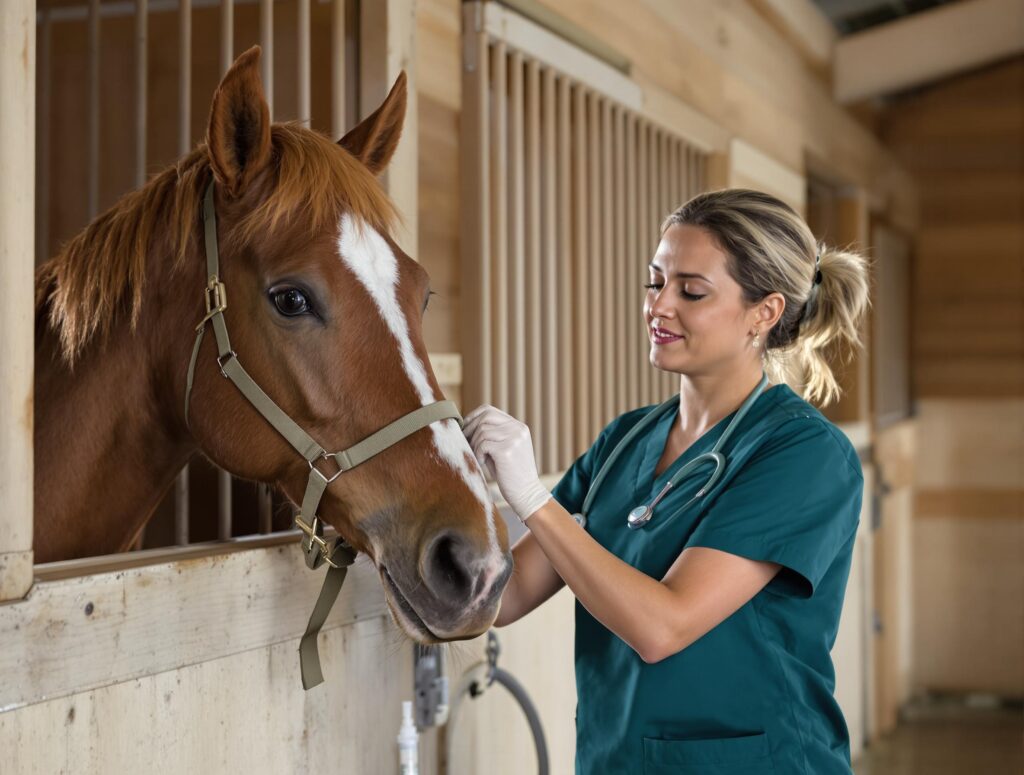
Contact your veterinarian immediately if your horse shows signs of illness. Your vet can provide guidance on treatment and advise when it is safe for your horse to leave quarantine.
By combining vaccination, sanitation, quarantine protocols, and proper stable management, you can significantly reduce the risk of equine disease transmission and protect the health of every horse in your care.