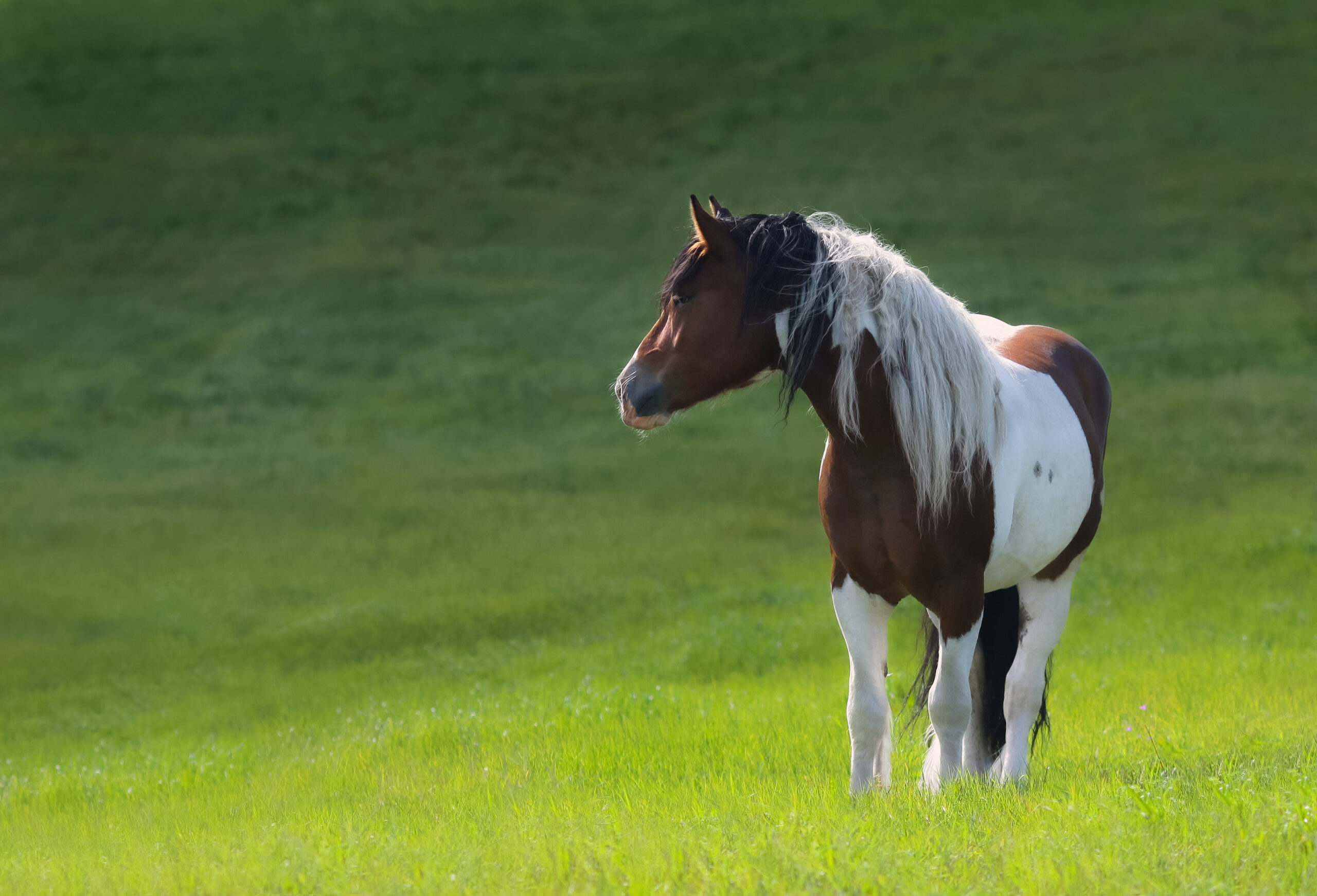
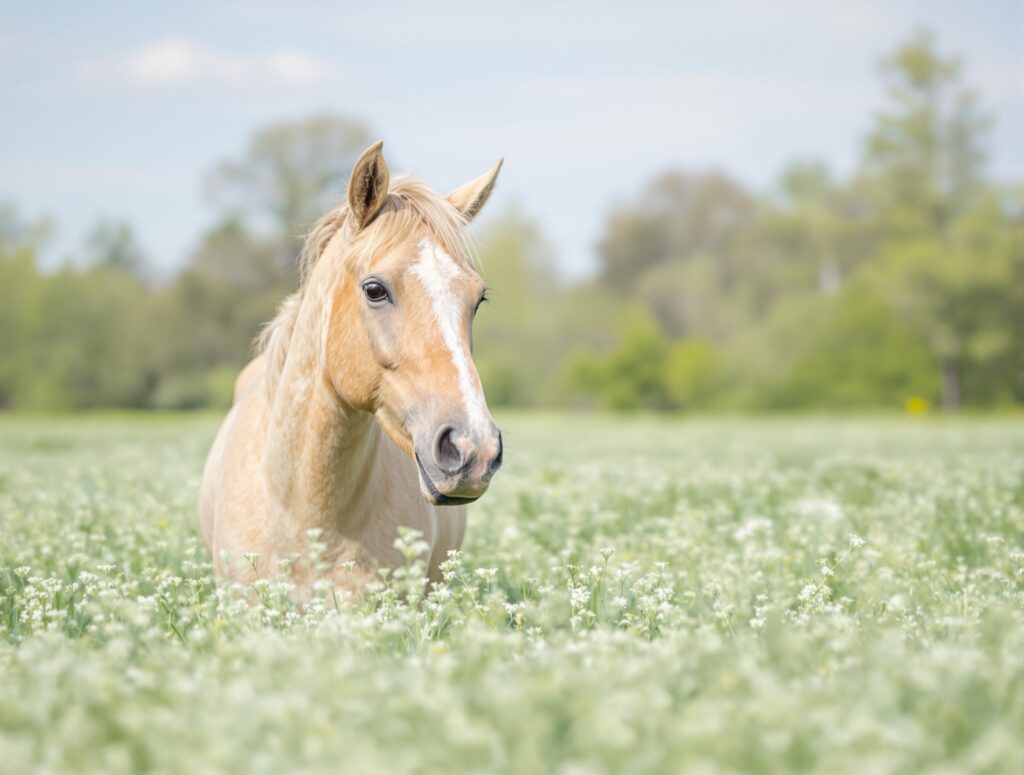
As spring approaches and breeding season begins, your mare will begin to have 21-day estrus cycles during which she will be receptive to mating. Understanding your mare’s estrus cycle is essential, whether your goal is to successfully breed her or to prevent pregnancy. Maintaining your mare’s health throughout breeding season is also important. Many horse owners support reproductive and overall wellness with products found in the Horse Supplies category at 1800PetMeds.
What Are The Signs Of A Mare In Heat?
Unlike some mammals, like dogs and cats, horses do not bleed from their vulva when they are in heat. Most signs of a mare in heat are behavioral.
A mare in heat will urinate more frequently. She will raise her tail, squat, and evert or wink her vulvar lips, particularly when a stallion is near. Some mares approach stallions when they are in heat, while others simply allow them near without fighting.
During breeding season, it is also important to stay consistent with preventative care.
Grading Signs Of A Mare In Heat
Not all mares that show signs of being in heat are ready to be bred. A mare will begin to show signs a few days before she actually ovulates. Grading the mare’s signs on a scale of 1 to 4 can help you determine whether she is coming into heat or transitioning into diestrus.
- 0 Not in estrus. Ears pinned and may fight with the stallion when approached.
- 1 May be coming into heat or going out of heat. Shows some signs but is disinterested or fights the stallion.
- 2 May be coming into heat or going out of heat. Shows more signs but will still be disinterested or may fight the stallion when approached.
- 3 Will show nearly all signs of being in heat.
- 4 Peak estrus. Mare intensely shows all signs of being in heat and may be ovulating or very close to ovulating. She will be receptive to mating.
Tracking Your Mare’s Estrus Cycle
A mare begins her first breeding season at the age of 12 to 15 months. Her age of sexual maturity will depend on when she is born.
Mares only go into estrus from early spring to early fall when the days are long. They are typically most fertile around the summer solstice on June 20, 21, or 22.
Mares go into estrus about every 21 days during the breeding season, and estrus may last 3 to 9 days. Her signs gradually become more intense until peak estrus. Then she will ovulate and gradually show fewer signs until her next heat cycle.
Some mares show signs more obviously than others. It is common to use a stallion as a teaser to monitor how the mare responds to him as a reliable way to rate her signs and track her cycle.
Supporting your horse’s overall health during breeding season can help maintain normal cycles and behavior. You can explore additional wellness products in the Horse Vitamins and Supplements category at 1800PetMeds.