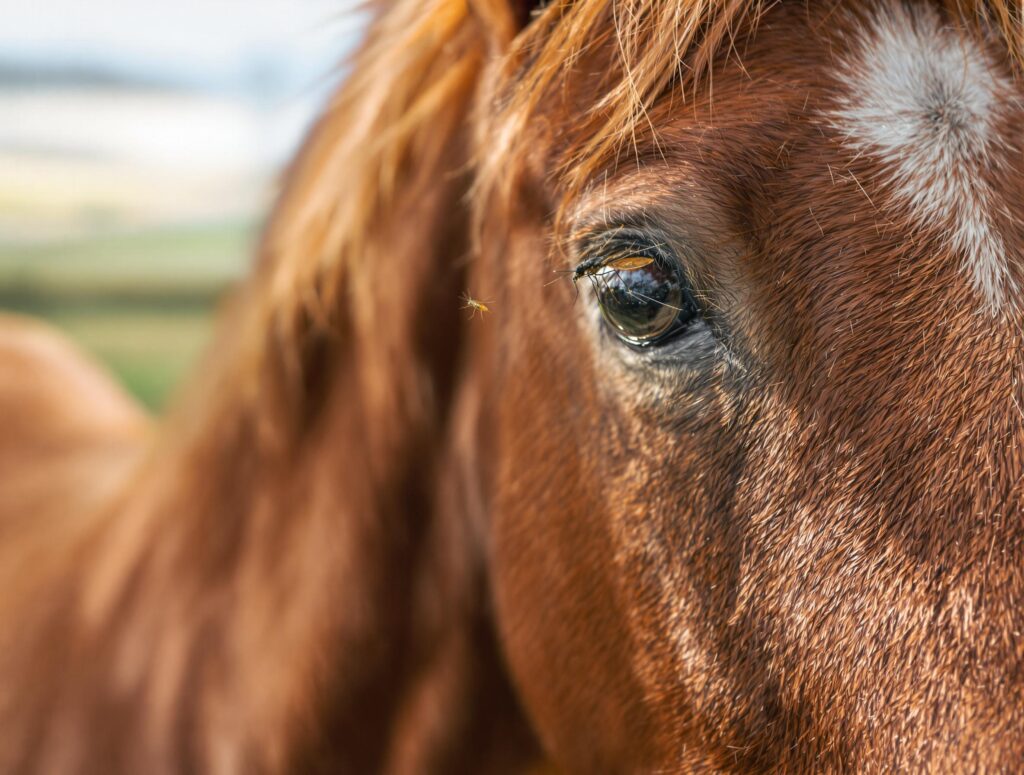
Mosquitoes are pesky as it is, but their taste for a variety of hosts is what makes them dangerous. As they feed on different animals, they pick up and distribute parasites and pathogens. Horses can contract equine encephalomyelitis, an alphavirus that causes central nervous system inflammation, from an infected mosquito.
Eastern Equine Encephalitis EEE is found in states east of the Mississippi, and it is highly fatal. Western Equine Encephalitis WEE is found in states west of the Mississippi, and while it is less likely to be fatal, it can still cause serious and sometimes permanent neurologic damage. Here is what horse owners should know to help keep their horses safe.
Where Does Equine Encephalitis Come From?
Equine encephalitis can infect many species, but birds are the biggest reservoir of the virus. Mosquitoes contract the virus when they feed on infected birds. Horses contract the virus when bitten by an infected mosquito. An infected horse does not harbor enough of the virus in their bloodstream to transmit it directly to other horses or animals.
It is possible for humans to contract the virus from a mosquito bite, though it is uncommon. Just nine cases of Eastern Equine Encephalitis were reported in humans in the United States in 2020.
What Are The Symptoms of Equine Encephalitis?
Symptoms of equine encephalitis usually appear about five days after transmission, though some horses clear the virus without symptoms.
The virus causes inflammation of the brain and spinal cord, resulting in neurological symptoms such as:
- Muzzle twitching
- Weakness
- Paralysis
- Inability to swallow
- Head pressing
- Circling
- Impaired vision
Over 90 percent of horses infected with EEE will die within several days, while WEE has a survival rate of over 70 percent.
How Can You Prevent Equine Encephalitis?
Vaccines are available for EEE and WEE. An unvaccinated horse or foal usually receives a two-dose series with four to six weeks between doses, followed by a booster at the start of mosquito season and then annual boosters. Your veterinarian may recommend twice-yearly boosters for immunocompromised horses and those living in heavily affected regions.
Horse owners can also help reduce risk by managing mosquito populations around the barn and pasture.
Prevention steps may include:
- Removing sources of standing water
- Keeping weeds and tall grass under control
- Cleaning manure frequently
- Using fans in the stable to disrupt mosquito flight patterns
- Planting natural mosquito repellent plants such as catnip, mint, lavender, and citronella
You may also want to explore preventive care products and health supplies for horses available at PetMeds, including equine vaccines and treatments found in the horse medications category, as well as supportive care options in the horse supplements category.
When To Call Your Veterinarian
Consult your veterinarian immediately if you notice any neurological symptoms in your horse. Signs of EEE and WEE can be difficult to distinguish from other serious health conditions, and early veterinary care is essential for the best possible outcome.