Horse lameness, also called equine lameness, is a mild to severe loss of the ability to move normally. It can be caused by problems in a horse’s bones, muscles, nerves, tendons, ligaments, brain, circulation, or metabolism. Almost any abnormality in the body can affect a horse so that it becomes lame. However, the majority of horse lameness problems occur in the foot.
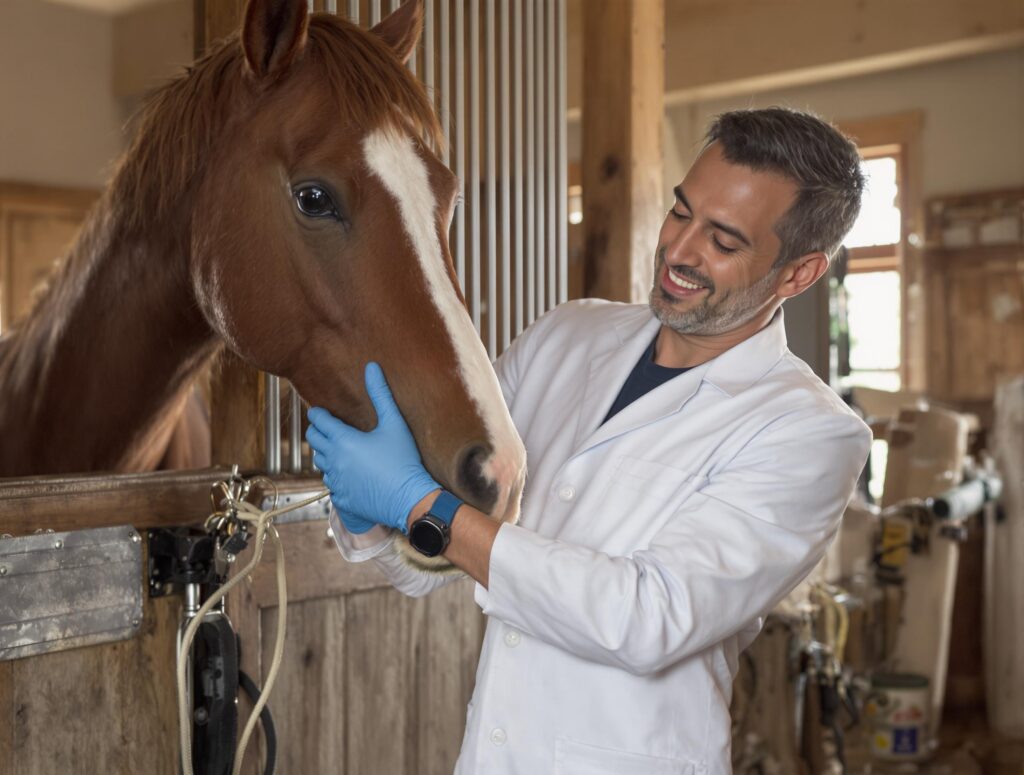
Horse lameness can occur suddenly or gradually. Lameness may increase in severity, remain the same, or occasionally resolve on its own. In many cases, veterinary intervention is required. Fortunately, there are several ways to decrease the likelihood that lameness will develop in your horse, including regular visits with an equine veterinarian and proper hoof care.
Many horse owners also support hoof and joint health with products found in the Horse Hoof Care category or the Horse Joint Supplements category at 1800PetMeds.
Key Facts About Horse Lameness
- The majority of horse lameness problems occur in the foot.
- Horses with repetitive injuries are at higher risk of developing lameness.
Which Horses Are Most at Risk for Becoming Lame?
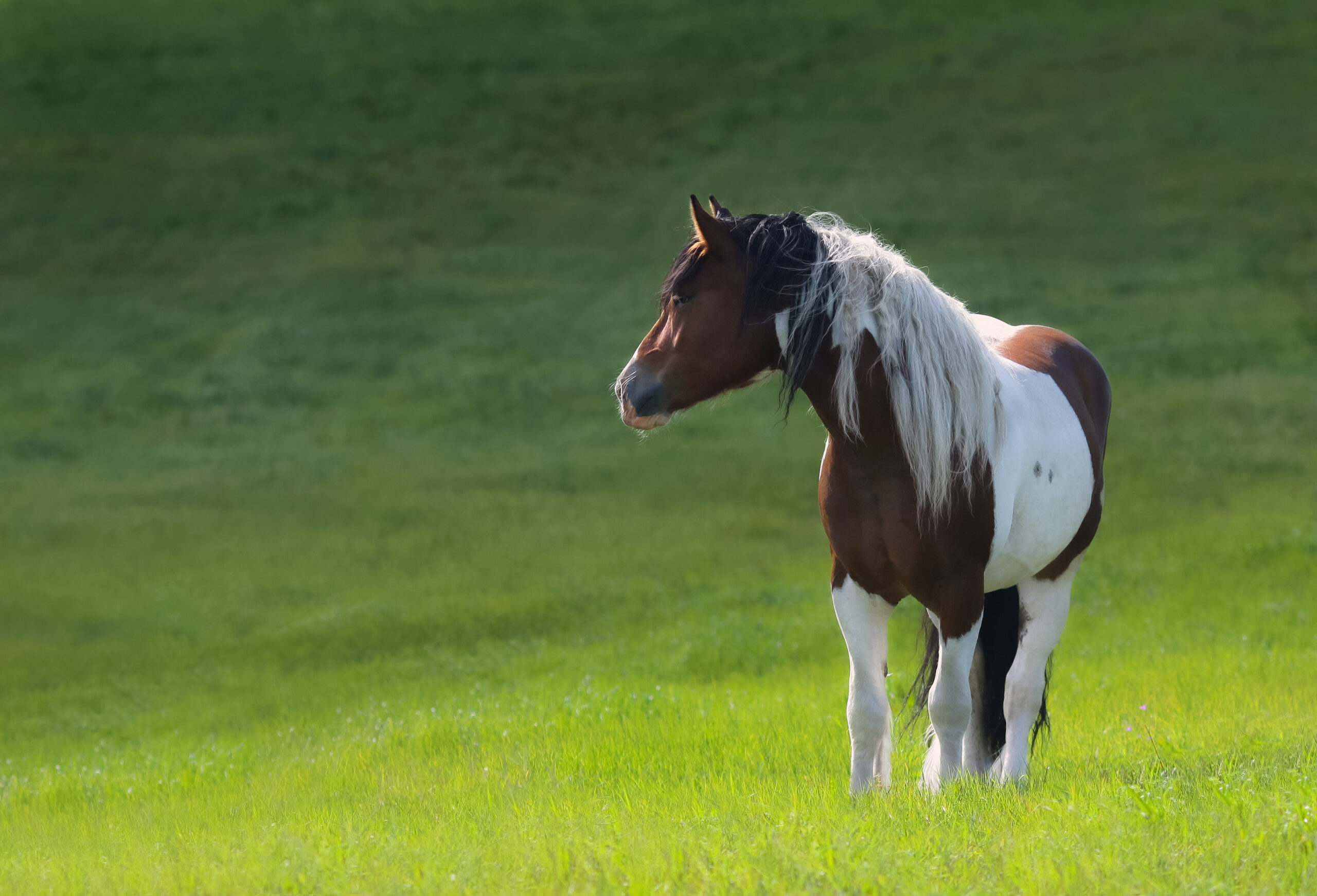
Horses, and all members of the equid family, including zebras, donkeys, and mules, can be affected by lameness. This includes animals ranging from small miniature horses to large draft horses.
Equine lameness is especially common in horses that repeatedly perform high-intensity maneuvers or run at maximum speed. Examples include thoroughbred racehorses, rodeo horses, and horses used for dressage or eventing. However, lameness can also occur in slowly moving donkeys, mules, and backyard ponies.
Causes of Horse Lameness
Horse lameness can be caused by any issue that affects the nerves, muscles, joints, or hooves. Among the most common causes are repetitive injury, founder or laminitis, infection, protozoal diseases, poor conformation, dental problems, obesity, and poor nutrition.
The single biggest cause of lameness is hoof problems. Hooves are so essential to equine movement that the saying “No Hoof, No Horse” is widely recognized among horse owners.
Products that support hoof strength and overall mobility can be found in the Horse Vitamins and Supplements section at 1800PetMeds.
Repetitive Injuries
Injuries can occur during racing, timed events such as barrel racing, or from stall and paddock vices like weaving. The more weight a horse carries, the earlier intense training begins, or the poorer the horse’s conformation, the more likely repetitive injuries will contribute to lameness.
Founder of Laminitis
Founder, also called laminitis, occurs when the bone in the foot loses its connection with the lamina of the hoof wall and rotates or sinks within the hoof. Laminitis may be triggered by several factors, including:
- Sudden increases in grain consumption
- Pregnancy and hormonal changes
- Obesity
- Concussive forces
- Infections
- Drinking cold water too quickly after exertion
Severe founder can prevent a horse from standing and may become life-threatening if not treated quickly.
Infection
Infections that affect the brain or nerves can cause horses to lose their balance and their ability to walk normally, a condition known as ataxia. Ataxic horses may stumble or move unevenly and have difficulty progressing forward or backward.
Examples of infections that can lead to neurological problems and lameness include:
- Rhinopneumonitis (Rhino)
- West Nile Virus
- Equine Protozoal Myeloencephalitis (EPM)
Tetanus, a bacterial infection, can also cause stiff and jerky movements. It may even stiffen the jaw muscles so severely that a horse cannot eat.
Poor Conformation
Horses with poor conformation frequently develop lameness. In these horses, the skeleton is not aligned properly, placing excessive stress on joints and soft tissues. Over time, these joints may become painful or arthritic.
Several factors increase the impact of poor conformation, including the horse’s weight, the age at which training begins, and the intensity or repetition of work. Horses with healthier conformation generally experience fewer lameness issues.
Correct conformation typically includes:
- Shoulder angles around 45 degrees
- Front pastern angles of about 45 to 50 degrees
- Back pastern angles of about 50 to 55 degrees
Proper conformation allows about 60 to 65 percent of the horse’s weight to be carried by the forelimbs.
Tooth Problems
Dental issues can also contribute to lameness. Horses balance their bodies in part through the jaw and temporomandibular joints. When dental problems cause uneven pressure or discomfort in the jaw, the horse may hold the head and neck unevenly.
This imbalance can affect spinal alignment and stride, eventually leading to uneven movement and lameness.
Poor Nutrition
Horses that are not fed properly may be more likely to develop lameness. Nutritional deficiencies or imbalances can weaken the hoof and affect muscle health.
Common nutritional problems include:
- Not receiving enough zinc, biotin, copper, or protein for hoof strength
- Lack of Omega-3 fatty acids that support hoof flexibility
- Excess selenium may lead to hoof cracks
- Too many simple carbohydrates from sweet feeds
Zinc, biotin, copper, and protein strengthen the hoof wall, which is composed of fibrous structures called lamellae. Without adequate nutrition, the hoof wall may weaken and crack.
Omega-3 fatty acids provide flexibility and resilience to the hoof. Selenium is also important, but only in small amounts. Too much selenium can cause cracks that encircle the hoof and may even lead to the hoof sloughing off.
Sweet feeds can flood the system with rapidly absorbed sugars. When a horse is worked the following day, this may lead to muscle damage called rhabdomyolysis.
Rhabdomyolysis is also known by several names, including:
- Monday Morning Disease
- Equine Polysaccharide Storage Myopathy (EPSM)
- Shivers
Genes associated with rhabdomyolysis are commonly found in draft horses and draft mules, though the condition can affect any horse. Horses with rhabdomyolysis often move stiffly and appear painful, and severe cases may prevent the horse from moving entirely.