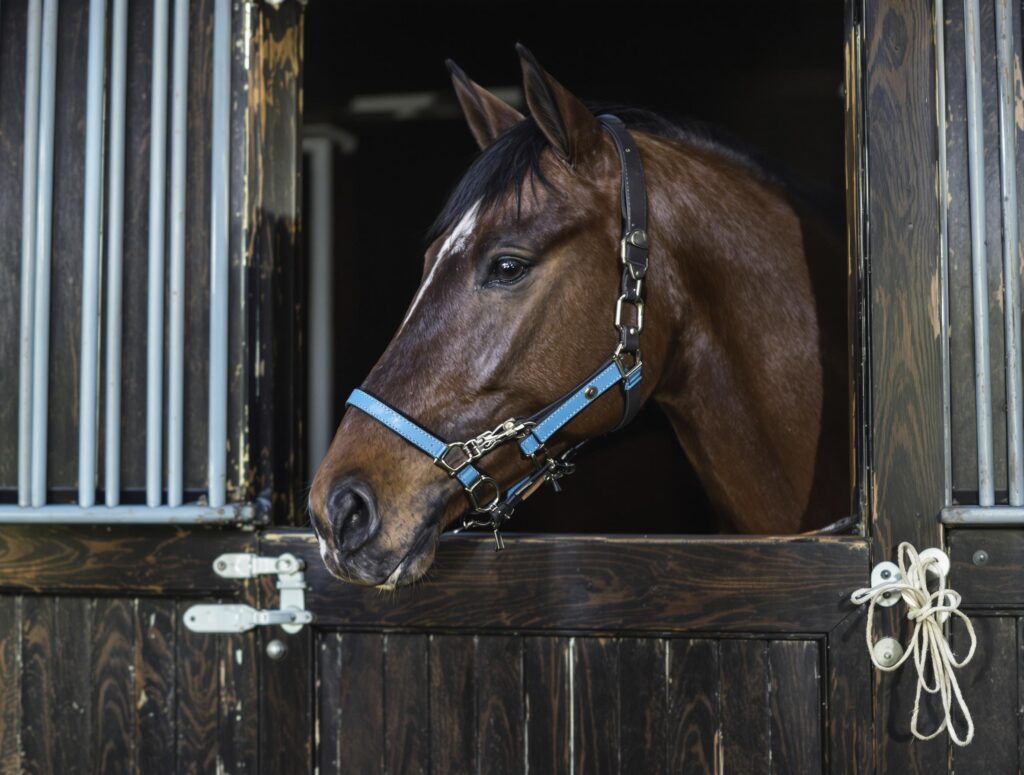
When your horse paws or digs with their front hooves, they might be trying to tell you something. They may be trying to get your attention, expressing feelings of stress or impatience, or even trying to relieve pain. This common, natural behavior is often harmless, though it can sometimes result in injuries or property damage.
Why Horses Paw or Dig
In the winter, horses use their front hooves to clear away snow to find food. This innate behavior often crops up as you approach your horse’s meals. Your horse may paw as they anticipate their feed, and the behavior can become reinforced when it is immediately followed by feeding.
Horses may also paw or dig when they are tied up or confined to a stall. They may dig holes to stay entertained or relieve stress. Sometimes, horses express separation anxiety when they are separated from their herd through pawing.
It is less commonly known that horses may paw as a way to relieve orthopedic discomfort. Horses have been observed digging in their stalls after exercise, often standing with their hind legs in the hole to help shift weight off their front legs.
If your horse suddenly begins pawing frequently, it may be a sign of acute abdominal pain caused by colic or a gastric ulcer. In situations like these, quick attention is important. Many owners keep digestive support products on hand, such as those found in the 1800PetMeds Horse Digestive Supplements category page.
Any sudden change in behavior warrants a call to your veterinarian to rule out illness or injury.
Health Issues That May Cause Pawing
Sometimes pawing is more than a behavioral habit. Certain health conditions may cause horses to dig or paw at the ground as they attempt to relieve discomfort. Watch for additional symptoms that could indicate a medical issue.
Possible health-related causes include:
- Colic or abdominal discomfort
- Gastric ulcers
- Joint or hoof pain
- General stress that affects digestion
Routine preventative care can help reduce the risk of some underlying problems. Products such as those in the Horse Dewormers category support digestive health and may help reduce parasite-related discomfort that could lead to behavioral changes.
Joint discomfort may also contribute to unusual behaviors. Many owners explore options in the Horse Joint Supplements category to help support mobility and long-term joint health.
How To Get Your Horse To Stop Pawing
Pawing can be an annoying behavior, and in some cases, it may lead to stall damage, holes in your property, excessive shoe wear or loss, and even injury to joints, bones, or tendons.
If your horse is understimulated, they may paw less frequently if offered more exercise or turnout time. Feeding more frequently can also help reduce pawing that occurs in anticipation of feeding. Thick rubber mats placed on stall floors may help discourage digging and prevent damage.
Training can also help manage pawing, especially if your horse does it while waiting to be fed or when trying to get your attention while tied up.
Avoid reinforcing the behavior by ignoring your horse when they paw for attention. Wait until they are calm before feeding them or untieing them. At first, this may require extra patience while your horse learns the new routine.
Scolding your horse or repeatedly redirecting them may unintentionally reinforce the behavior if your horse is simply seeking attention. Over time, your horse will begin to associate calm standing with receiving food or attention.