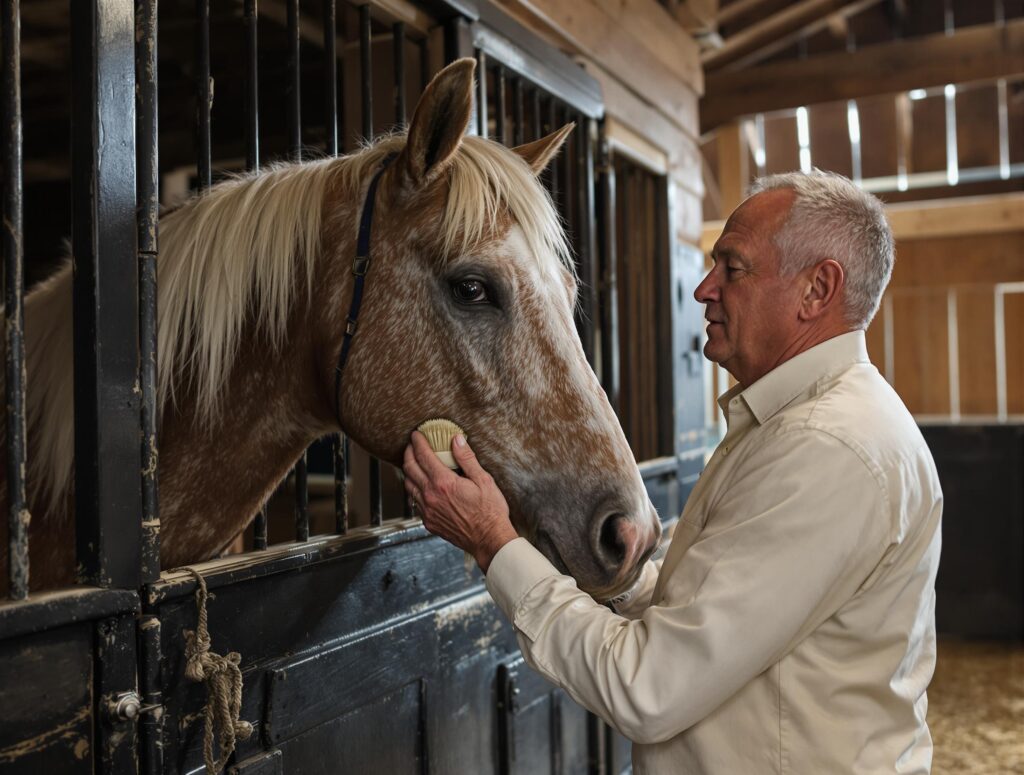
As your horse gets older, you may notice subtle changes in their health and behavior that indicate they are getting old or beginning to slow down. While some horses become elderly at just 15 years of age, others will make it to their early 20s and beyond with little to no signs of slowing down.
Caring for your elder horse depends on their individual health status. There is no one-size-fits-all diet, exercise routine, or care schedule that works for all horses of a certain age. However, you can watch for signs that your horse is developing age-related health issues, take preventative steps, and work with your veterinarian to help keep your horse comfortable and active for as long as possible.
Feeding Your Elder Horse
Many diseases that affect older horses can be prevented or managed with a healthy diet. As your horse gets older, they may begin to have digestive issues. However, old age does not guarantee problems with digestion. If your horse is doing well on a regular adult maintenance diet, you may not need to change their food. Some horses may still benefit from targeted support, such as joint or immune supplements.
Digestive issues in older horses are often linked to poor dental health. This is why it is more important than ever to have your horse’s teeth checked and floated every 6 to 12 months.
A senior horse feed is ideal for horses with dental or digestive issues. Complete senior feeds are extruded or made up of soft, easy-to-chew pellets. They also contain sufficient fiber, which can help when grazing or eating hay becomes difficult.
Senior horses can also be prone to choking when they are unable to adequately chew their food. In some cases, soaking their food to form a mash may help. Use about one-half gallon of water per pound of feed. Soaking food can also increase water intake, which supports digestion.
You may also consider digestive support products for aging horses. Options are available in the Horse Digestive Supplements category.
Monitor Your Horse’s Body Condition
It is important to keep an eye on your horse’s body condition as they age. Sudden weight loss or gain may indicate an underlying issue.
- An underweight horse may not be absorbing nutrients properly due to worms or dental problems.
- An overweight horse may be experiencing additional strain on their joints
Unexplained body condition changes should always be evaluated by a veterinarian, as they can indicate an underlying health issue that may not be resolved through diet alone.
Parasites can also contribute to weight loss and digestive issues in older horses. Routine deworming with products found in the Horse Dewormers category can help support overall health.
Keeping Your Elder Horse Active
If your horse suffers an injury or begins to show signs of arthritis, you may decide to limit their physical activity. However, too much inactivity can make mobility issues worse and may contribute to conditions such as swayback.
Senior horses often benefit from gentle, consistent movement. More than ever, your older horse needs time to warm up before exercise.
When they are no longer able to perform demanding work, short and frequent rides may help maintain joint mobility. Plenty of turnout time can also help keep your horse fit and comfortable when they can no longer handle strenuous exercise.
Managing Arthritis In Older Horses
Begin treating symptoms of arthritis as soon as you notice them. Early management may help reduce discomfort and support long-term mobility.
Joint supplements can help support joint function and may reduce mild inflammation. You can browse options in the Horse Joint Supplements category at 1800PetMeds.
Talk to your veterinarian about treatment options if your horse shows signs of arthritis or joint pain. Both natural and prescription treatments may help extend your horse’s active years.
Routine Veterinary Care For Senior Horses
Keep in mind that horses are prey animals and often hide signs of pain or illness. By the time symptoms of an age-related condition become obvious, the issue may already be advanced.
Regular wellness visits with your veterinarian are one of the best ways to monitor your elder horse’s health. Routine exams allow your vet to check your horse’s teeth, hooves, weight, and overall condition while identifying potential concerns early.
With proper nutrition, appropriate exercise, and consistent veterinary care, many senior horses continue to enjoy comfortable and fulfilling lives well into their later years.