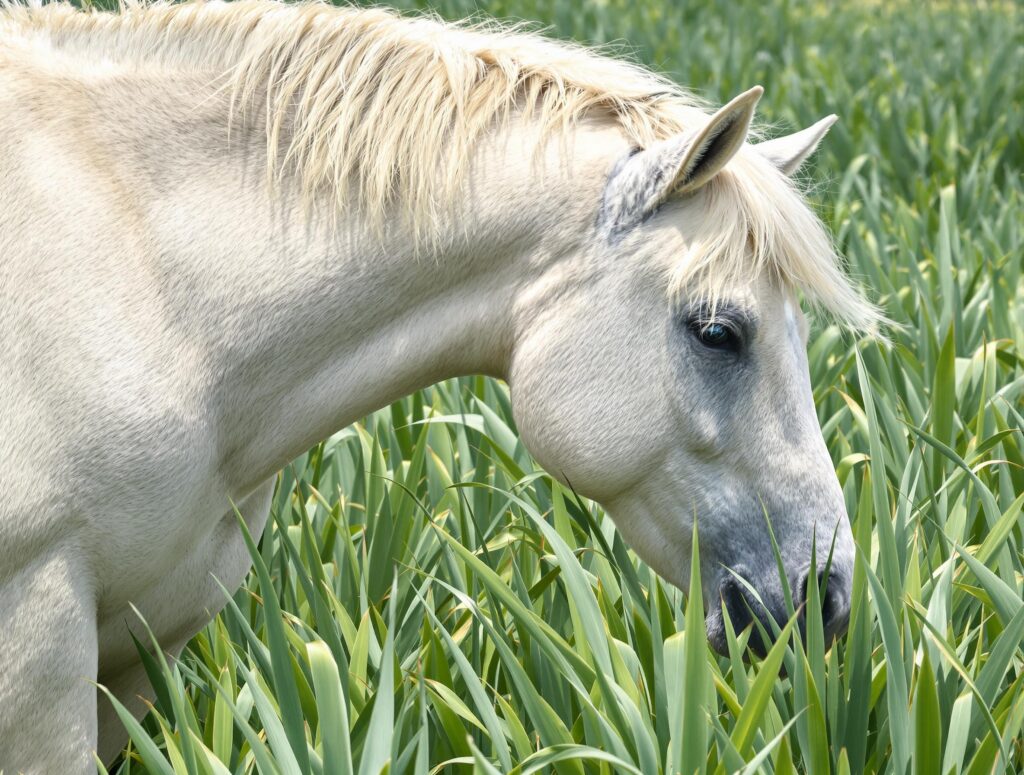
Every horse will, from time to time, swallow small nonfood objects. Pebbles, clumps of hair, pieces of twine, wire, and other foreign bodies can usually pass through the horse’s digestive system without issue. In some cases, though, thin layers of minerals build up around the object, forming an enterolith.
Enteroliths in horses, sometimes called gut stones or equine pearls, may be eliminated through the manure while they are still small. In some horses, an enterolith will continue to grow until it causes a blockage or rupture. It is common for horses that suffer from recurrent colic and other gastrointestinal symptoms to have one or more enteroliths.
Maintaining digestive health and parasite prevention can support overall gut function. Explore helpful products in the PetMeds categories for equine digestive support.
Symptoms of Enteroliths in Horses
One of the telltale signs of enteroliths in horses is the presence of small stones in the manure. However, these passable stones are easily missed, and some horses will have just one large stone rather than many small ones.
Recurring colic, diarrhea, unexplained weight loss, and changes in mood can occur. You might notice grumpiness that comes and goes, or your horse may refuse to exercise.
Common symptoms may include
- Recurrent colic
- Diarrhea
- Unexplained weight loss
- Behavioral changes or irritability
- Decreased willingness to exercise
A horse can have an enterolith for years before it begins to cause visible symptoms. They generally start in the large intestine and become an issue as they move into the narrower small intestine, where they can cause a blockage. Left untreated, a gut stone can cause an intestinal rupture, which is usually fatal.
Why Do Horses Get Enteroliths
Enteroliths can occur in horses of any age, sex, or breed, though they rarely occur in horses under four years of age. They are significantly more common in certain regions, including California, Arizona, Ohio, Texas, and Florida. This may be related to the mineral content in soil, feed, or drinking water.
Arabian and Morgan horse breeds appear to develop enteroliths more frequently than others, which suggests that some horses may have a genetic predisposition for developing gut stones.
Preventing Enteroliths in Horses
Diet appears to contribute to the formation of enteroliths. In clinical studies, the colon contents of horses with stones typically have higher concentrations of magnesium, calcium, and phosphorus, along with a higher pH level. Horses that eat alfalfa, especially if it makes up more than fifty percent of their diet, are at greater risk for developing gut stones.
Horses that have had enteroliths are usually recommended to follow a diet that is low in alfalfa hay. A high fiber diet, such as oat hay or grass hay, can help foreign bodies move through the gut more quickly before stones can form.
Supporting digestive balance may also include products designed for gastrointestinal health. Browse equine digestive supplements at 1800PetMeds.
It is also helpful for horses to get plenty of exercise to promote gut motility and daily grazing at pasture.
How Are Enteroliths Treated
Enteroliths are usually diagnosed with X-rays, though they do not always show up clearly. If there are smaller enteroliths present in the manure, flat sides may indicate that there are additional stones inside the horse’s colon.
Surgery can confirm the presence of stones that may not be visible on an X-ray. It is also the primary treatment for enteroliths that cause colic. Once the stone is removed, it can be broken open to reveal the foreign body at the center.
Enterolith surgery has a high success rate, and most horses go on to make a full recovery. After treatment, veterinarians may recommend dietary changes, digestive support, and regular parasite prevention, such as products found in the horse wormers category.