Trail riding is a fun, relaxing activity and can be one of the most enjoyable aspects of owning a horse. Keep in mind, though, that as with any other activity, your horse will need to be trained and conditioned to become a safe and reliable trail horse. Here is how you can prepare and stay safe when you hit the trails.
Is Your Horse Fit for Trail Riding?
Before starting a season of trail riding, schedule a visit with your equine veterinarian for a wellness checkup. Preventive care plays an important role in keeping your horse healthy and trail-ready.
Ask your veterinarian which vaccines your horse may need. Recommendations often depend on which diseases are prevalent in your region and whether you plan to travel with your horse. You can find a wide selection of essential care products and medications in the Horse Medications and Supplies category at 1800PetMeds.
Depending on the length and intensity of your trail rides, your horse may or may not need additional conditioning. For short rides over smooth terrain that span just a few miles, a healthy horse should do well. However, it is just as important to mentally condition your horse for unpredictable trail conditions as it is to physically prepare them for the journey.
Supporting joint health and overall wellness can also help active horses stay comfortable on longer rides. Explore options in the Horse Supplements category to help maintain mobility and performance.
Prepare for Trail Obstacles
While you cannot prepare your horse for every situation you may encounter on the trail, you can practice riding over and around obstacles in the arena. These exercises help teach your horse to trust you and follow your direction, even when unsure of their surroundings.
Ride with a loose rein when you are on the trails and when preparing for trail riding in the arena. Your horse should have enough freedom to look around, watch their step, and stay balanced.
When your horse hesitates to go into water or around an obstacle, give them adequate time to build confidence before moving forward. Allow your horse to use their eyes and nose to investigate unfamiliar sights and sounds.
Group Trail Riding Tips
If you and your horse are new to trail riding, riding with a group can be beneficial. An experienced group leader will know the area, reducing the risk of getting lost. Watching other horses navigate obstacles can also help your horse learn appropriate responses.
Before heading out on the trail, ride together in an arena to determine:
- Which horses are comfortable leading
- Which horses prefer staying at the back of the group
- How each horse responds to close riding situations
Many trail riding groups have established rules and etiquette. For example, if one rider needs to stop, the entire group should stop. Horses can become anxious when they feel left behind.
What to Bring on a Trail Ride
Even for short rides, preparation is essential. Bringing the right supplies can help you handle minor issues and stay safe.
Always bring more water than you think you will need, along with snacks for both you and your horse.
Check the weather forecast before you leave. Bring rain gear if needed and stay home if thunderstorms are predicted.
Keep your cell phone fully charged and carry it in a secure pocket or belt holster rather than in a saddlebag. This ensures you have access to it if you become separated from your horse.
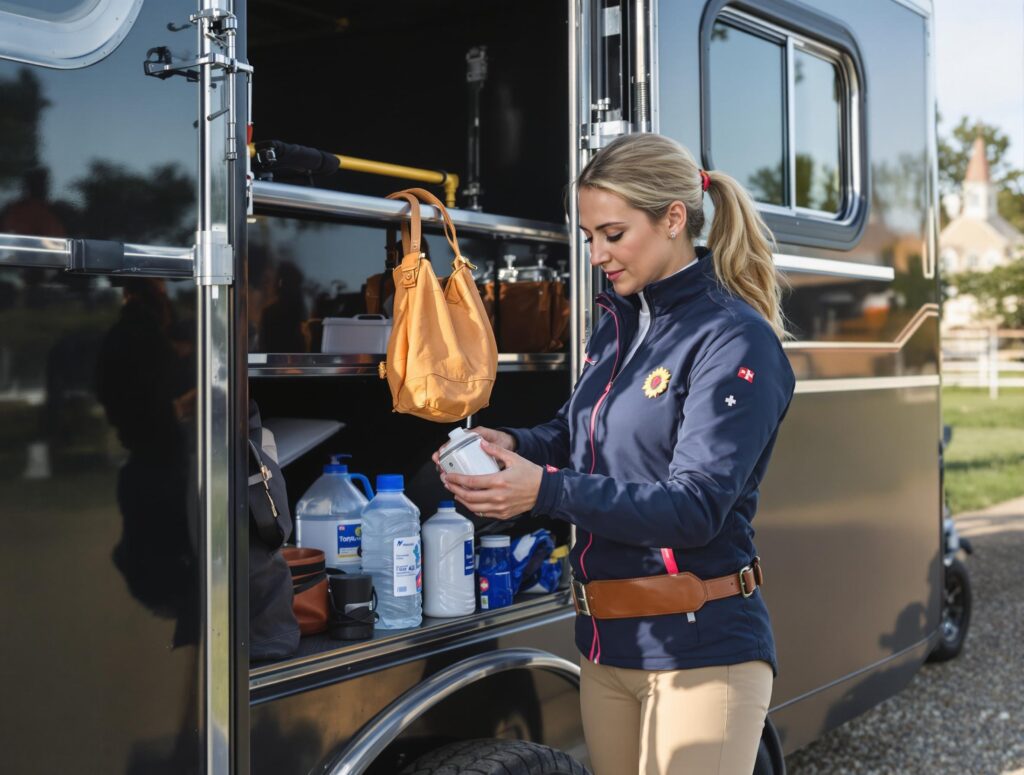
Put together a first aid kit with supplies for both you and your horse. Items may include:
- Bandages
- A thermometer
- Antihistamines such as diphenhydramine
- Saline solution
- Antibiotic ointment
- A hoof pick
- Hoof boots
- An emergency blanket
You can find wound care products and emergency essentials in the Horse First Aid category.
Always cut the ride short and head home if your horse seems uncomfortable, if temperatures become extreme, or if any safety concerns arise. Safety should always come first. The trails will still be there another day.