When they are younger, horses are highly efficient at getting through the winter. As they get older, though, they may have more trouble staying warm and comfortable in cold weather. Here is how you can care for your senior horse this winter and support their overall health.
Preparing for Winter With a Senior Horse
Before the cold sets in, schedule a wellness exam with your veterinarian. A thorough checkup can help pinpoint any health issues that may affect your horse’s ability to tolerate cold weather.
For example, your senior horse may have more trouble keeping weight on in the winter if they are suffering from an undiagnosed endocrine issue such as pituitary pars intermedia dysfunction PPID, also known as Cushing disease, or equine metabolic syndrome EMS. Early diagnosis and proper management, including appropriate medications and nutritional support, can make a significant difference.
You can explore a wide range of horse medications and health products to help manage chronic conditions and support your senior horse year-round.
Also, make sure your senior horse has their teeth checked before winter begins. Dental issues may make it more difficult for them to chew and digest fiber-rich forage. Problems with digestion can compromise your horse’s ability to maintain a protective winter fat layer, increase the risk of colic, and make it harder to maintain core body temperature.
Regular dental care and appropriate products from the horse supplies category can help support healthy chewing and digestion.
Keeping Senior Horses Warm in Winter
Horses stay warm in the winter mainly through the heat generated by their digestive system as it breaks down high fiber forage. Your senior horse should have constant access to quality forage.
If your senior horse has dental issues, they may have trouble chewing hay. Ask your veterinarian about starting a senior feed. You can also feed soaked hay pellets or hay cubes to supplement fiber and increase moisture intake.
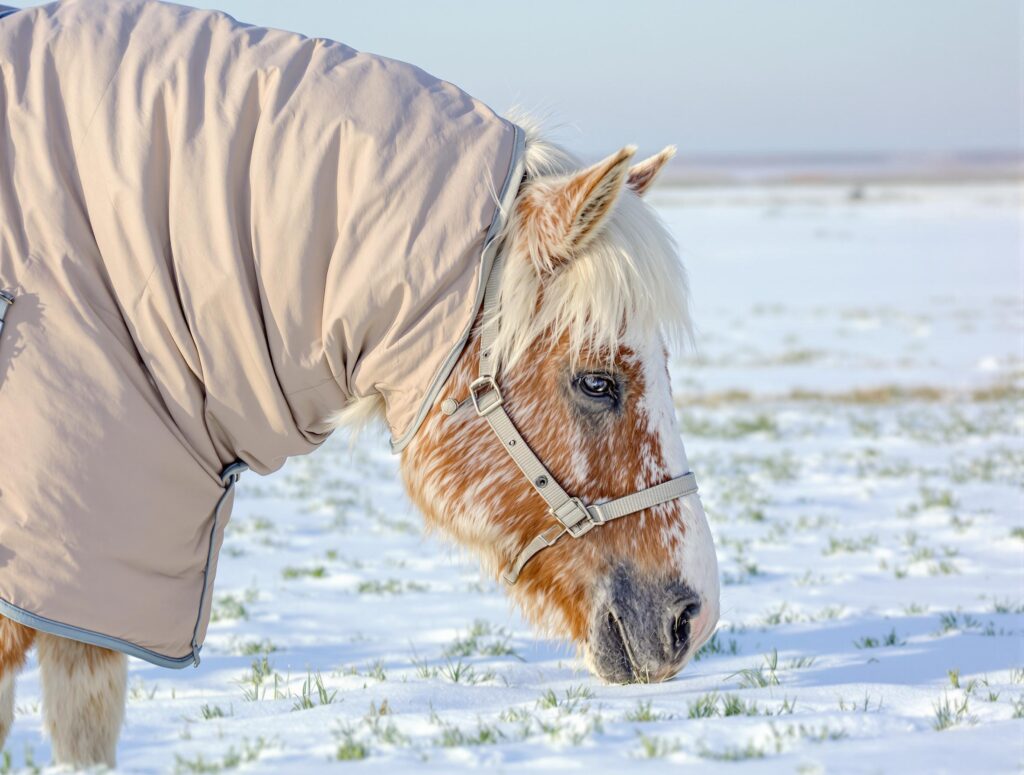
While younger horses generally do not need a blanket until at least January, a senior horse may need one sooner. When blanketing, keep the following in mind:
- An overheated horse will sweat, trapping moisture under the blanket
- Moisture buildup can make your horse feel colder
- Blankets should be washed and rotated regularly
- Frequent checks allow you to monitor weight changes and prevent skin irritation
Proper winter management helps your senior horse conserve energy and maintain a healthy body condition throughout the colder months.
Managing Winter Joint Pain in Horses
Many people, horses, and other animals with joint inflammation experience worsened symptoms in cold, damp weather. This may be related to changes in atmospheric pressure. Cold weather can also cause muscle tightness and spasms, which can exacerbate joint pain.
Keeping up a regular schedule of low-impact exercise helps keep fluids moving in the joints, supporting strength and flexibility. Talk to your veterinarian about exercises, stretches, and physical therapy that would work best for your senior horse.
If you have not already, you may want to start your senior horse on a joint supplement. A supplement that contains joint-supporting ingredients such as MSM and glucosamine, along with anti-inflammatory components like turmeric, can be a beneficial addition to their diet. You can browse options in the horse joint supplements category to find products designed to promote mobility and comfort.
In some cases, your veterinarian may recommend starting or adjusting pain medications during the winter if signs of discomfort cannot be managed with supplements alone.
Keep in mind that a horse with limited mobility due to joint issues may have trouble accessing food or water. Make sure your senior horse does not have to compete with younger horses during feeding time and always has access to clean, fresh water. Horses often drink more when the water is around 90 degrees Fahrenheit rather than just above freezing.
Finally, ensure your senior horse can safely access everything they need, even when the ground is muddy, icy, or uneven. You can use straw to create traction in slippery areas and place rubber floor mats in the stall to help reduce slipping and minimize stress on aging joints.