
Autumn Pest Control For Pets

Use these autumn pest control tips to keep these pests from bugging your cat or dog.
Parasite Control For Horses

It’s natural for your horse to have some parasites in their digestive system at any given time, but when that parasitic load is too high, it can lead to digestive complications such as impaction, colic, diarrhea, constipation, and weight loss.
Common Worms in Cats

The most common types of worms in cats are roundworms, tapeworms, and hookworms. Always consult your veterinarian before giving your cat a wormer, since worming schedules and medications depend on the type of worm your cat has.
How Often Does a Dog Need Heartworm Medicine?

Key takeaways Why Heartworm Prevention Matters Keeping your dog protected from heartworms is one of the easiest ways to care for its long-term health. These mosquito-transmitted parasites are completely preventable with today’s safe, effective medications that fit seamlessly into your regular pet care routine. The straightforward “think 12” approach—give preventive medicine monthly and test yearly—offers […]
Can People Get Worms From Dogs? Understanding the Risk and Prevention

Key takeaways Dogs enrich our lives as beloved family members, and as pet owners, it’s important to understand how their health can impact our household. A common concern is whether people can get worms from dogs. The reality is that certain parasitic infections can spread between pets and people. Though serious complications are uncommon, some […]
Best Flea Medicine for Cats Without a Vet Prescription

Why Flea Prevention Is Important for Cats Fleas may be small, but once they get on your cat, they can quickly become a big problem. Their bites itch, of course, but they can also carry diseases, trigger allergic reactions, and transmit other parasites, like tapeworms. Preventing and treating flea infestations is an important part of […]
Can Kittens Get Parvo from Dogs? What You Need to Know

Key takeaways: Understanding Parvovirus in Pets Every day, nearly 900 dogs are diagnosed with parvovirus, a highly contagious and potentially life-threatening disease. This virus is especially concerning for households where dogs and cats share living spaces. Recent research has revealed an alarming development—certain strains of canine parvovirus can now use both dog and cat cellular […]
Fall Deworming For Horses

As summer comes to an end and the leaves start to change color, it is time to start thinking about fall deworming for horses. Most horses, even those found to be low-risk carriers, should be dewormed in the fall after the first frost for a fresh start in the following seasons. Using appropriate deworming products […]
Tapeworm Dewormer for Dogs FAQ

How did my dog get tapeworms? The most common way dogs get tapeworms is from having fleas. Dogs that hunt or chase small rodents and rabbits (even in their own backyard) may also be at risk of infection from tapeworms. How do I know if my dog has tapeworms? Tapeworm segments are easily seen around […]
Does My Dog Have Worms? Top 8 Signs Your Dog Needs To Be Dewormed

Internal parasites, or worms, will affect virtually all pets at some point during their lifetime. Puppies and kittens are born with worms, and will need to be dewormed several times during their first year of life. From then on, you’ll want to deworm your pet periodically. Regular deworming ensures that intestinal parasites are eradicated before […]
Tapeworm Dewormer for Cats FAQ
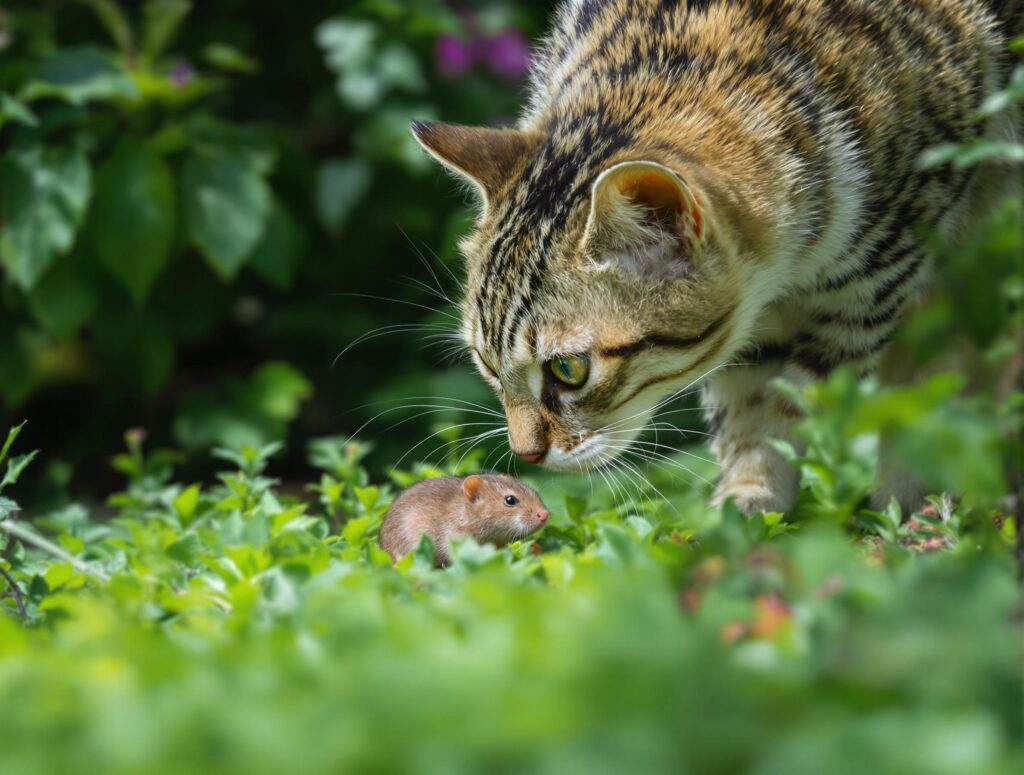
How did my cat get tapeworms? The most common way your cat got tapeworms is from having fleas, which often carry immature tapeworms. Cats infested with fleas will frequently ingest them as they groom themselves (a daily behavior) and become infected with tapeworms. Cats that hunt small rodents (in your house or backyard) may also […]
Brain-Altering Parasite or Harmless Pest? What Cat Parents Should Know About Toxoplasmosis

For a tiny single-celled organism, toxoplasma has caused decades of hysteria. Is it really dangerous for people to scoop litter while pregnant – or even own a cat? Does this parasite really turn normal, sane people into “crazy cat ladies”? Spoiler alert: toxoplasmosis is no reason to be afraid of cats. It’s still important to […]
How do Cats get Worms?

Like dogs, cats can also get worms. Even indoor cats are susceptible to getting worms. In fact, kittens are born with intestinal worms. They are passed from the mother’s body through the placenta into the kittens’ bodies before they are even born. Worms can also be passed onto kittens through the mother’s milk. Generally, cats […]
Deworming Your Horse

Did you know that all horses have internal parasites? Over 150 types of parasites infect horses through soil, water, and flies. The most harmful parasites include large and small strongyles, bots, roundworms, threadworms, tapeworms, and lungworms. If your horse is infested with these parasites, it can cause weight loss, anemia, colic, coughing, wheezing, poor skin […]
Horse Wormers (Equine Wormers)
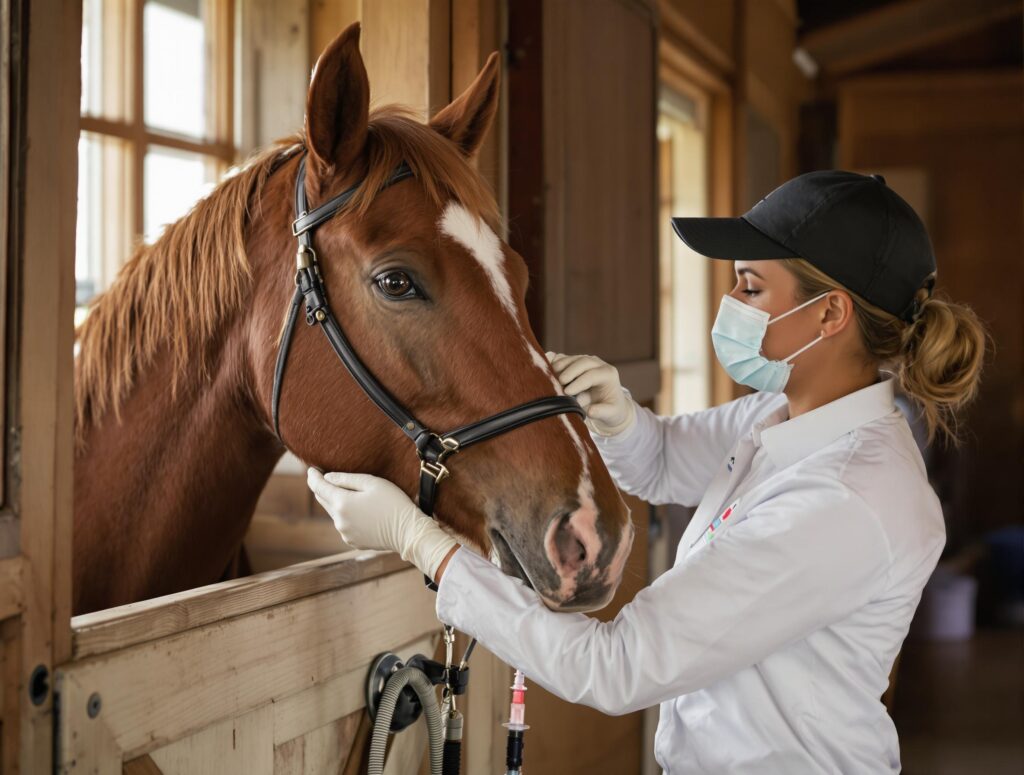
Deworming Your Horse More than 150 parasites infect horses through soil, water, and flies. Among the most troublesome are large and small strongyles, bots, roundworms, threadworms, tapeworms, pinworms, and lungworms. For most horses, parasites are not a minor problem but a serious issue that can cause anemia, colic, coughing, wheezing, poor hair coat, and reduced […]