
How Do Dogs Get Worms?

Puppies and kittens are born with intestinal worms. This occurs because worms resting within the mother’s body are stimulated to grow by hormones secreted during pregnancy. The newly developed worms within the mother pass through the placenta (transplacental) and into the young before they are born. In addition, worms are passed through the mother’s milk […]
Deworming Treatments for Dogs

Deworming medications (antihelmintics) are used to rid pets of intestinal worms. No single dewormer removes all types of worms, but many deworming products are effective for more than one type. Generally, products that are effective against round-shaped worms (rounds, hooks, and whips) are not effective against flat-shaped tapeworms. Several heartworm medications have added ingredients that […]
How to Deworm a Dog
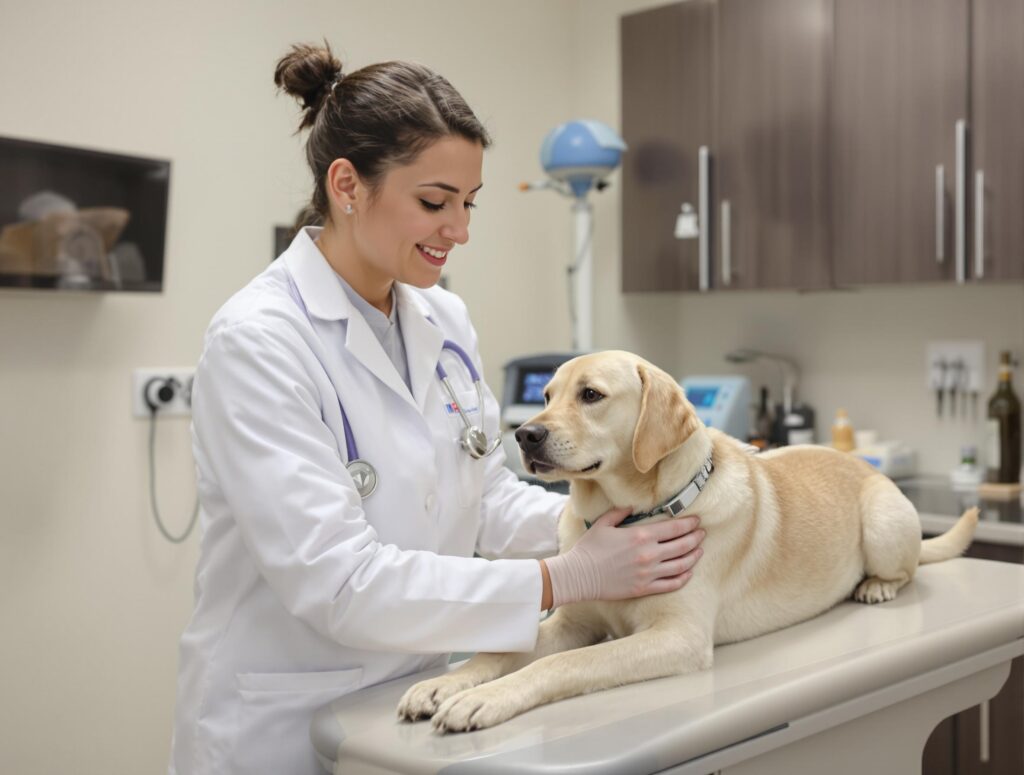
Worms or parasites are one of the more common problems encountered in canine veterinary practice. Several different types of worms may be seen in dogs and puppies: roundworms, hookworms, tapeworms, whipworms, and coccidia. Your veterinarian can recommend an appropriate dewormer for your dog depending on the type of worms your pet has. This is best […]
Symptoms of Worms in Dogs

Pets with intestinal worms experience a range of symptoms from anemia, malnutrition, and death to no symptoms at all. Intestinal worms compete with the pet for nutrients so that a pet with a heavy worm burden looks malnourished and has a swollen belly. The hair is often dry, dull, and coarse. There can be mucoid […]