
How to Treat Bladder Stones in Dogs

It is important to treat your pet’s bladder stones to prevent recurrent, uncomfortable symptoms and urinary tract obstruction. If the stones are large and unlikely to plug or obstruct the urethra, medical management of stones using prescription specialty diets or home recipes may be tried. Many of these diets promote increased thirst, which encourages a […]
Congestive Heart Failure Treatment for Dogs
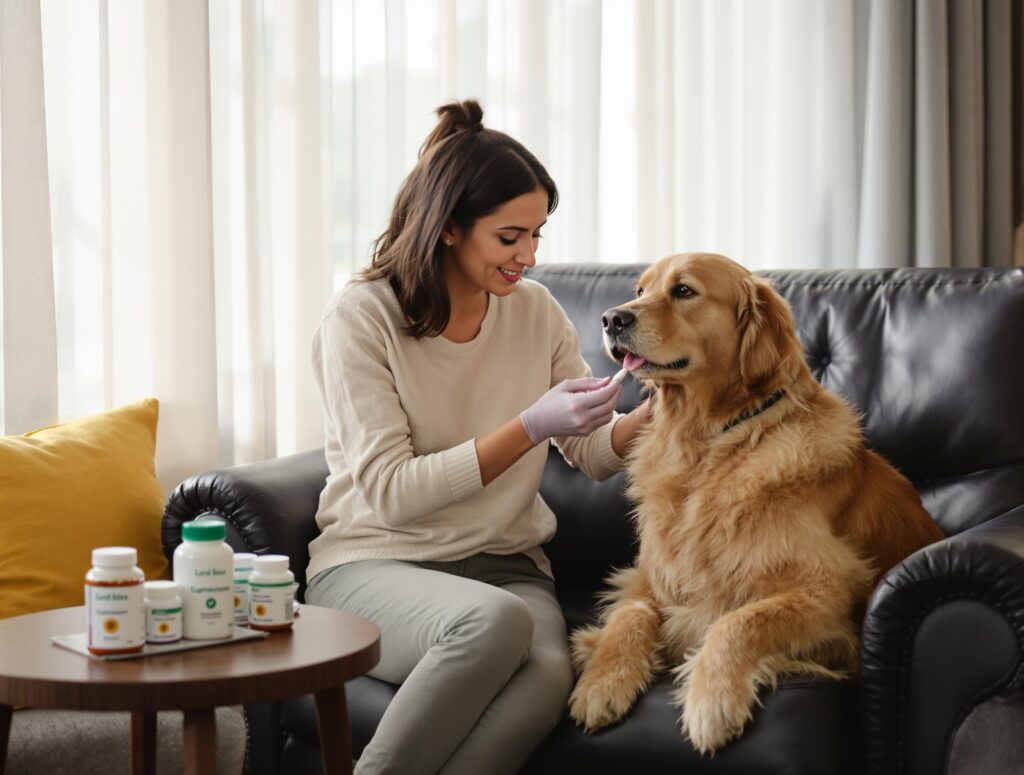
Treatment options for pets with congestive heart failure Treatment for congestive heart failure in pets involves a combination of various medications to try to enhance survival rates. The most important drugs include diuretics, such as Furosemide (Salix) and Spironolactone. These medications help reduce and eliminate excessive fluid that has built up in your pet’s lungs […]
Top Risk Factors for Separation Anxiety in Dogs

Separation anxiety is the number one behavioral problem in dogs, so it’s not uncommon if your dog has experienced heightened anxiety when you leave the room. But did you know that by ignoring these symptoms, you could in fact worsen your dog’s behavior? Before you can treat your dog’s separation anxiety there are a few […]
How to Treat Anal Sac Problems & Scooting in Dogs
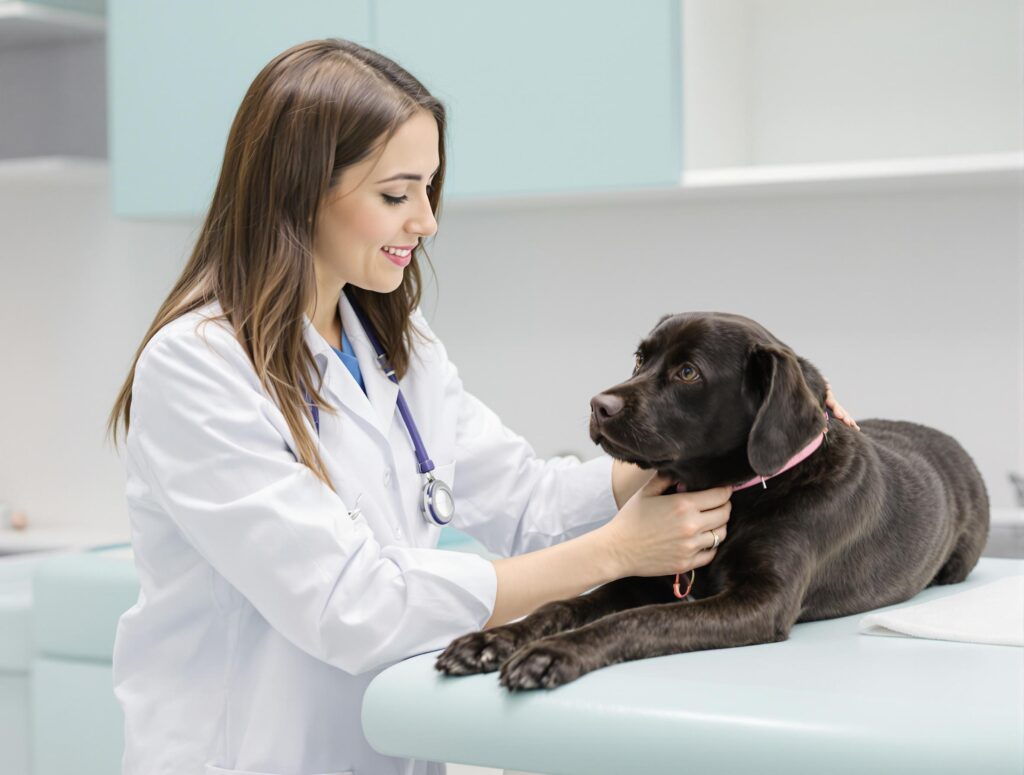
When a dog’s anal sacs are swollen and inflamed they are treated by draining. Draining is done manually or surgically with a scalpel and under anesthetic. When done manually, the procedure is called anal sac expression. How to manually express a dog’s anal sacs Dog anal sacs are emptied manually either by external or internal […]
What Causes Dogs to Vomit?

Dog and cat vomiting can be caused by problems from within the stomach and intestines (called the gastrointestinal or GI tract) and by problems from outside the GI tract, such as kidney disease. Common causes of a dog or cat vomiting are allergies, illness, cancer, infections, drugs, parasites, plants, and poisons. Vomiting is also caused […]
Submissive Urination (Incontinence) in Dogs

What is submissive urination? Dog submissive urination is when your dog urinates because he or she is anxious, or timid, and wants to acknowledge you are dominant. Your dog may roll on his or her back and urinate, or stand and dribble when greeted, often when you return home from work. This behavior mimics that […]
Protecting Your Dog Against Worms

Worms (tapeworms, roundworms, hookworms, and whipworms) survive in pets by draining pets of their nutrients and blood. Pets with worms can experience anemia (low red blood cell count), lethargy, and poor appetite. Severe cases of worms can even become fatal for some pets. Ways your pet can contract worms: Eating fleas Catching mice, rats, or […]
Don’t Skip Your Dog’s Heartworm Prevention
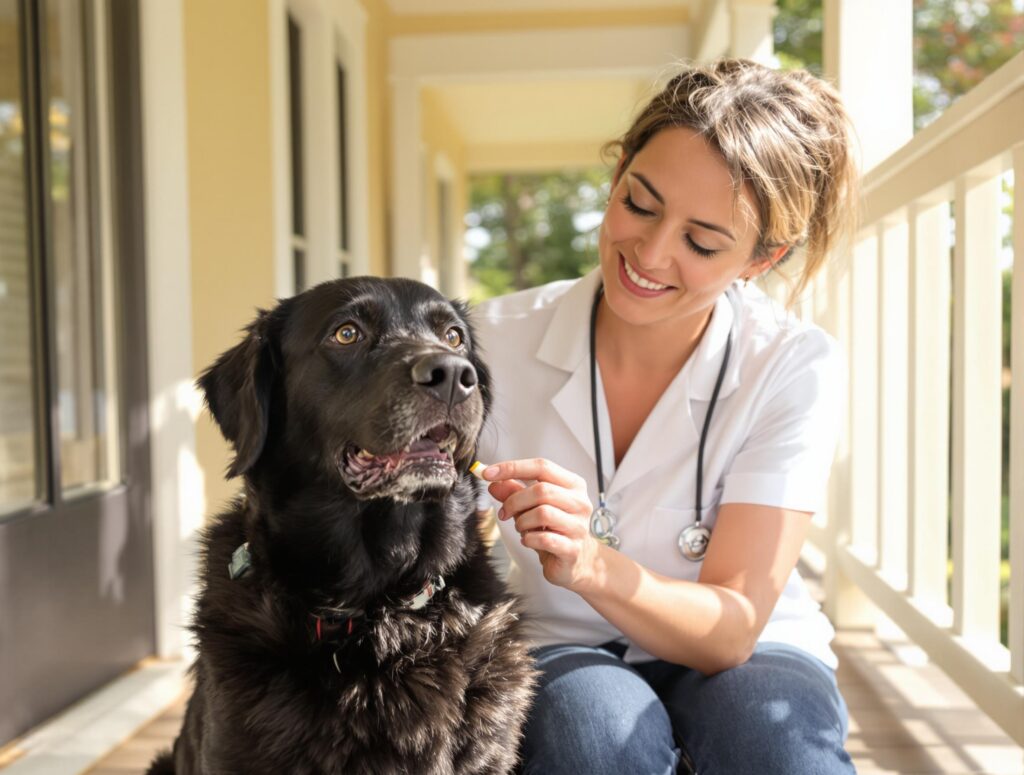
Have your pet tested for heartworms annually The American Heartworm Society reports pets being diagnosed with heartworms throughout the year in all 50 states. And with the hot and humid summer months in full effect, protecting your pet is extremely important. If your pet isn’t already on heartworm preventatives, you should consult your veterinarian about […]
Toxicity and Detoxification in Dogs

What is toxicity and detoxification in pets? Pet toxicity and pet detoxification are words that conjure up images of sludge and pollution, and so they should. They are also words that some producers of “natural” products misuse in an attempt to sell their goods. The selling of “detox” has led too many consumers and veterinary […]
How to Treat Lyme Disease in Dogs
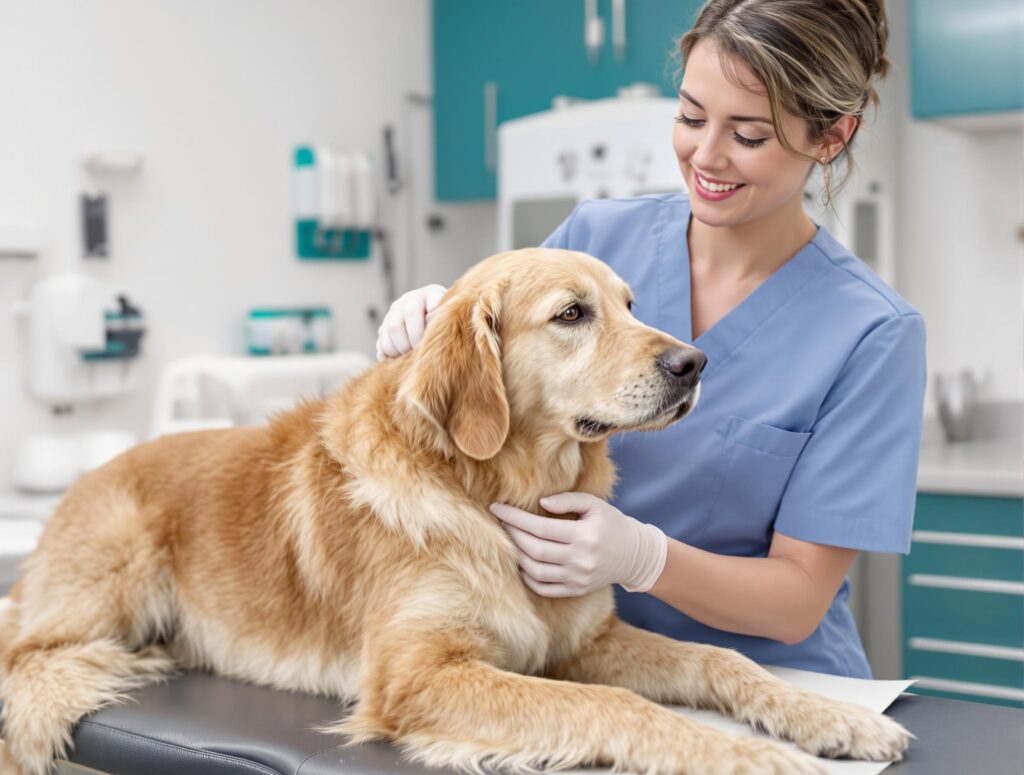
Lyme disease treatment includes Doxycycline, a form of the antibiotic tetracycline. Because tetracyclines discolor the teeth of growing pets, and of pets still developing within the uterus, we use a different antibiotic for nursing, pregnant, and young pets — Amoxicillin. Doxycycline and amoxicillin are relatively inexpensive and do not normally cause serious side effects. The […]
How to Treat Demodectic Mange in Dogs

Treatment for mange (demodex) infection in dogs and cats varies depending upon whether it is a localized or generalized mange infection. Localized mange treatment About 90% of young, healthy pets with localized mange infection get better within two months even if they are not treated. These pets may benefit from a topical antibacterial agent such […]
How to Treat Ear Infections in Dogs

Your veterinarian will want your pet to start on medications that relieve pain and infection right away. Then, in 2-3 days when the culture results have returned from the lab, either your pet will continue on the same medication, or your pet will receive a more effective medication. Medications can include natural remedies, oral antibiotics […]
Liver Disease Treatment for Dogs
Treatment options for pets with liver disease Treatment of liver disease in pets varies depending on the underlying cause and severity of the condition. IV fluids, antibiotics, ursodeoxycholic acid, and possibly steroids may be used. Medication to decrease nausea and vomiting is needed, as well as vitamin and mineral supplements. In severe cases, blood transfusions […]
Corneal Ulcer Treatment for Dogs
Treatment options for pets with corneal ulcers For treatment of corneal ulcers in pets, veterinarians will prescribe an ophthalmic medication, perhaps one with a topical antibiotic. Among the antibiotic eye medications are Terramycin (Rx) and Gentamicin Sulfate Ophthalmic Solution (Rx). Your veterinarian may also prescribe Atropine Ophthalmic Solution (Rx), which helps in two ways. Atropine […]
Kidney Stones in Dogs

What are kidney stones? Kidney stones in dogs and cats are occasionally seen and may cause urinary tract infections and other urinary tract symptoms. The stones, also known as uroliths, found in pets are very similar to those found in humans. Most of these stones are composed of mineral salts from common elements, including phosphorus, […]