
Heartgard Plus Generic Iverhart Max

Preventing heartworm disease with heartworm medicine Many pet owners use a preventative like Heartgard Plus, but there is a generic equivalent to Heartgard Plus, which is Iverhart Max. Both products prevent heartworm disease and also control roundworms, hookworms. However, Iverhart Max also controls tapeworms, whereas Heartgard Plus does not. Symptoms of heartworms in both cats […]
What’s Your Dog’s Risk Of Exposure To Vector-Borne Pathogens?

Heartworm disease, transmitted through mosquito bites, and Lyme disease, transmitted through deer tick bites, are on the rise in many regions of the United States. While you may have been able to forgo heartworm preventatives and flea and tick protection for part of the year, or have never used those products at all, the predicted […]
Does Trifexis Require a Prescription?

It can be daunting to consider all the parasites you need to protect your dog from every month: those pesky fleas as well as heartworms and a whole host of potential intestinal parasites. Previously, pet parents had to apply a messy topical flea treatment and remember to also give a separate heartworm medication every month. […]
Tapeworm Dewormer for Cats FAQ

How did my cat get tapeworms? The most common way your cat got tapeworms is from having fleas, which often carry immature tapeworms. Cats infested with fleas will frequently ingest them as they groom themselves (a daily behavior) and become infected with tapeworms. Cats that hunt small rodents (in your house or backyard) may also […]
What To Do If Your Pet Catches A Bat
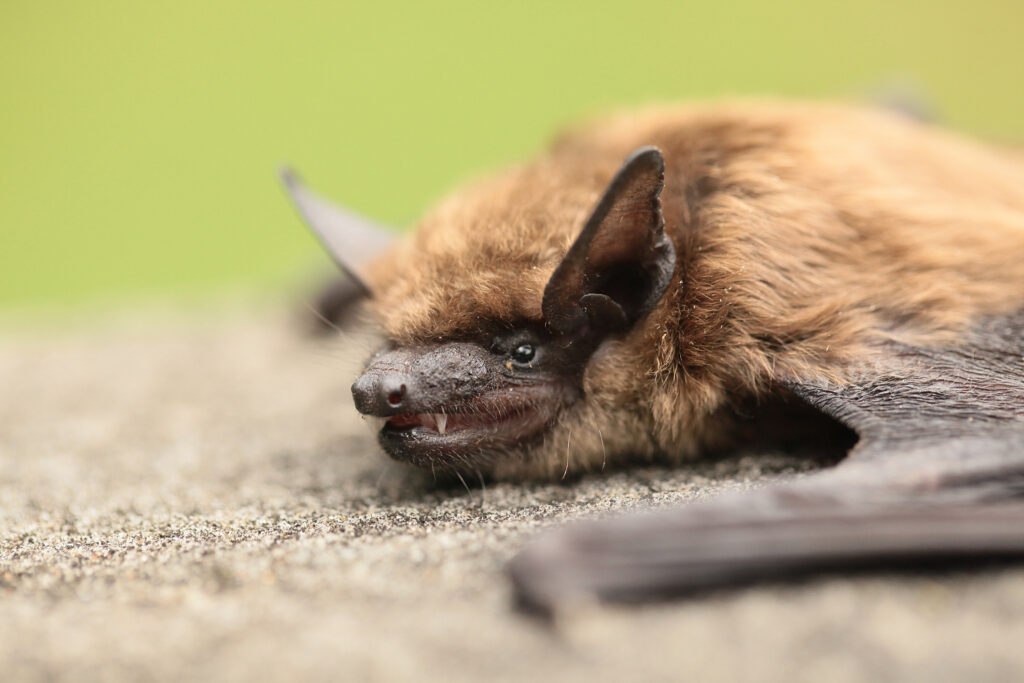
Bats are found in most regions across the United States, so chances are, your pet will encounter one someday. From afar, bats are friends to our pets. They eat mosquitoes that can carry heartworm disease. Unfortunately, most dogs and cats see bats as prey, and will hunt the small, furry mammals if given a chance. […]
How do Cats get Worms?

Like dogs, cats can also get worms. Even indoor cats are susceptible to getting worms. In fact, kittens are born with intestinal worms. They are passed from the mother’s body through the placenta into the kittens’ bodies before they are even born. Worms can also be passed onto kittens through the mother’s milk. Generally, cats […]
Protecting Your Dog Against Worms

Worms (tapeworms, roundworms, hookworms, and whipworms) survive in pets by draining pets of their nutrients and blood. Pets with worms can experience anemia (low red blood cell count), lethargy, and poor appetite. Severe cases of worms can even become fatal for some pets. Ways your pet can contract worms: Eating fleas Catching mice, rats, or […]
Don’t Skip Your Dog’s Heartworm Prevention

Have your pet tested for heartworms annually The American Heartworm Society reports pets being diagnosed with heartworms throughout the year in all 50 states. And with the hot and humid summer months in full effect, protecting your pet is extremely important. If your pet isn’t already on heartworm preventatives, you should consult your veterinarian about […]
The Importance of Heartworm Preventatives
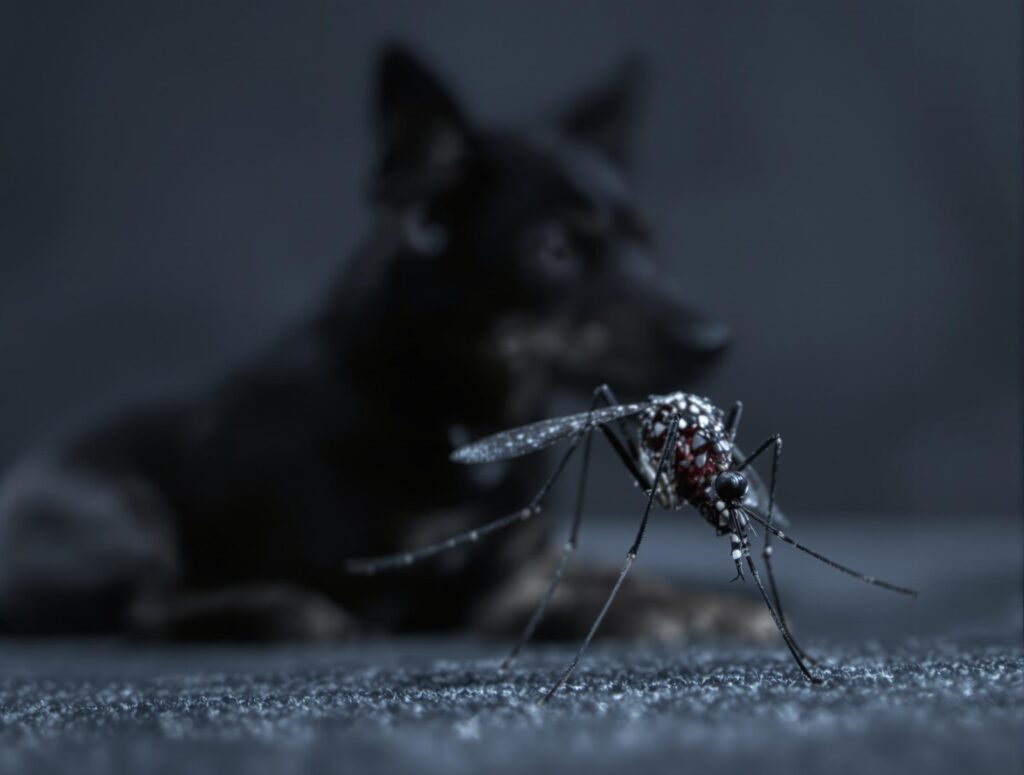
If your pet is not on a monthly heartworm preventative, the risks of contracting this potentially fatal disease are significantly increased. It takes only one heartworm-carrying mosquito to infect your pet. Worst of all, adult heartworms can survive in dogs for up to seven years, and in cats they may survive from a few months […]
How Do Dogs Get Worms?

Puppies and kittens are born with intestinal worms. This occurs because worms resting within the mother’s body are stimulated to grow by hormones secreted during pregnancy. The newly developed worms within the mother pass through the placenta (transplacental) and into the young before they are born. In addition, worms are passed through the mother’s milk […]
Does My Cat Need Heartworm Prevention?
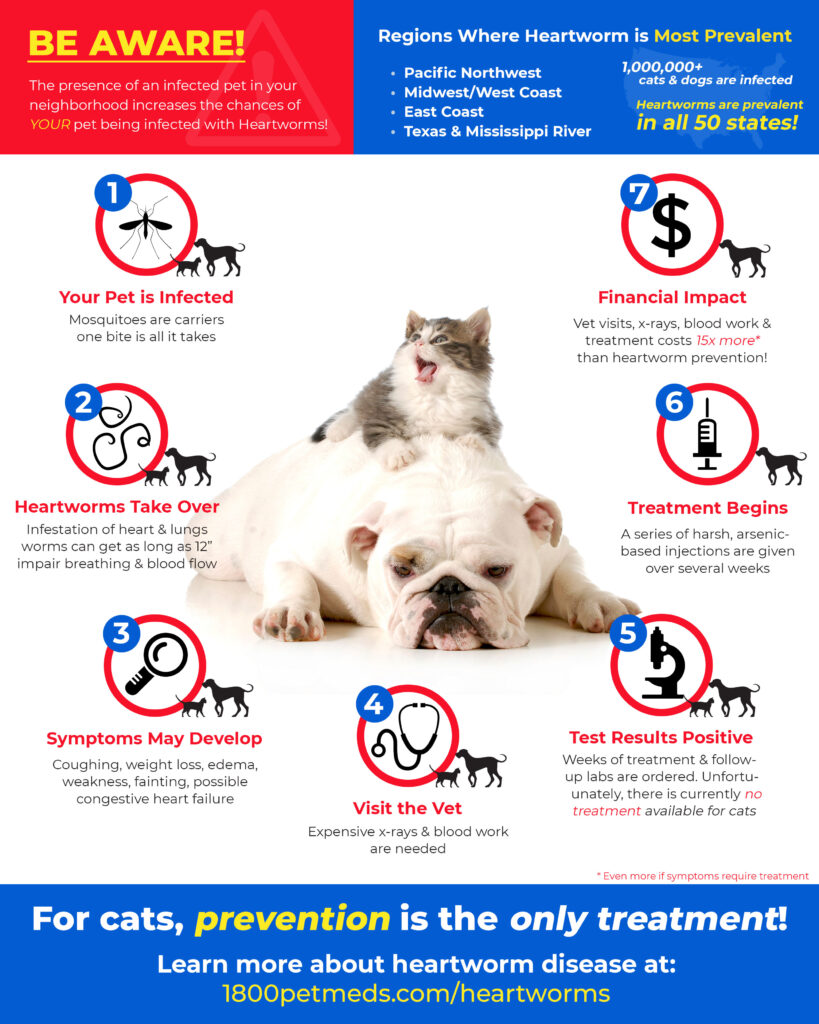
The answer to the question, “Does my pet need heartworm prevention?” is simple, but with complex reasons behind it. Your pet needs to be protected from deadly heartworms 24 hours a day, 7 days a week, 12 months a year. Recommended heartworm prevention medications The American Heartworm Society affirms that cases of heartworm disease have […]
Protecting Your Dog Against Heartworms

These are some of the potentially dangerous symptoms of heartworm disease that can occur in pets: Mild to severe coughing Loss of appetite Weight loss despite regular eating habits Fatigue Loss of breath (gasping for air) As a pet guardian, providing quality pet care to your furry friend is a top priority, so if your […]
Heartworm Prevention for Cats
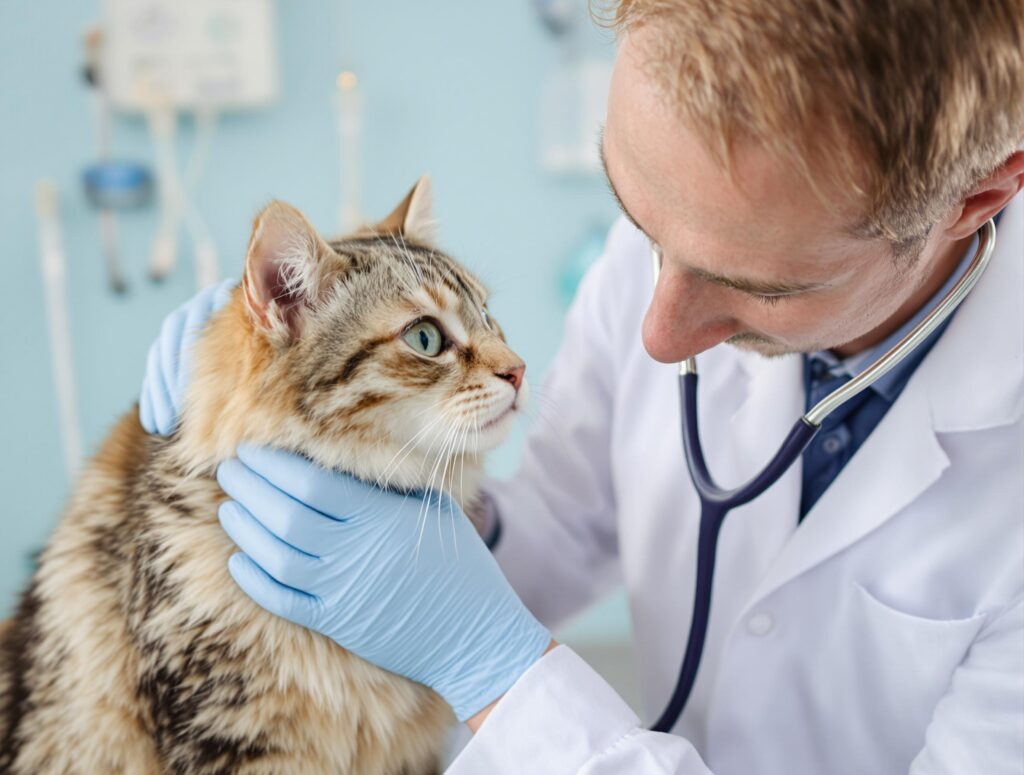
Heartworm infection occurs when a mosquito carrying infective heartworm larvae bites into a cat for a blood meal. It is crucial to give your cat heartworm prevention medication every month to prevent the spread of the disease if such a mosquito bite occurs, because heartworm infection is fatal for cats. Currently there is no approved […]
#1 Tip for Preventing Fleas & Heartworms

Our vet’s #1 tip for preventing flea & heartworm infestation is simple: Be Consistent! Never miss a dose. Preventing fleas and heartworms from taking hold of your pet and your home is the key to responsible pet parenting. The benefits of flea and heartworm prevention far outweigh the drawbacks in terms of your pet’s overall […]
Heartworm Treatment for Dogs

Heartworm treatment Heartworm positive dogs are hospitalized and given an injection of melarsomine (Rx) (brand name–Immiticide) to kill the adult worms. A second injection of melarsomine is given 24 hours later. This treatment is effective but harsh. Some pets may develop life threatening reactions to the heartworm treatment itself, which is why they must be […]