
Maintaining Your Horse’s Digestive Health
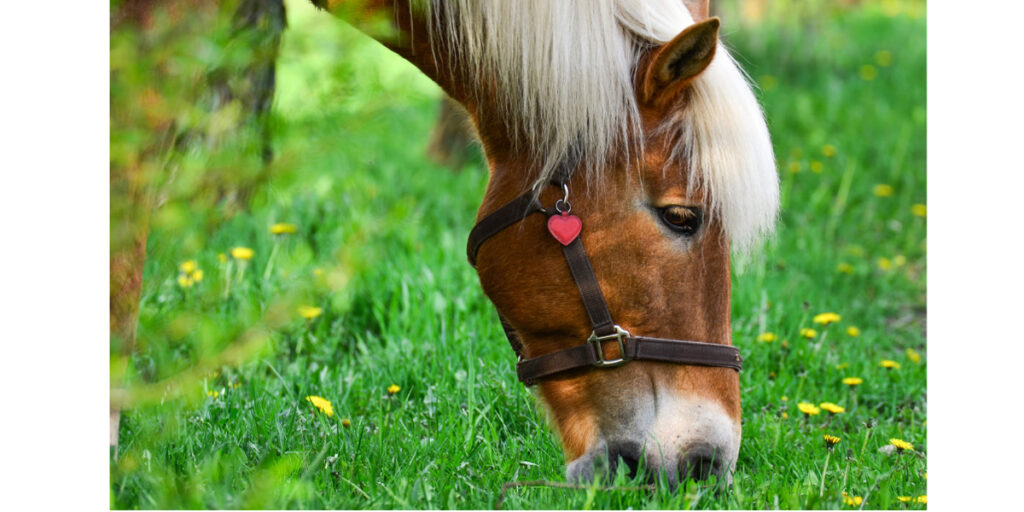
Many horse owners feed their horses grains and fats. But did you know that horses are designed to eat grass and sometimes have trouble digesting the grains and fats fed to them? If your horse has digestive upset, such as diarrhea or bloating, digestive enzymes may help. Evaluating your horse’s diet is also a good […]
Deworming Your Horse
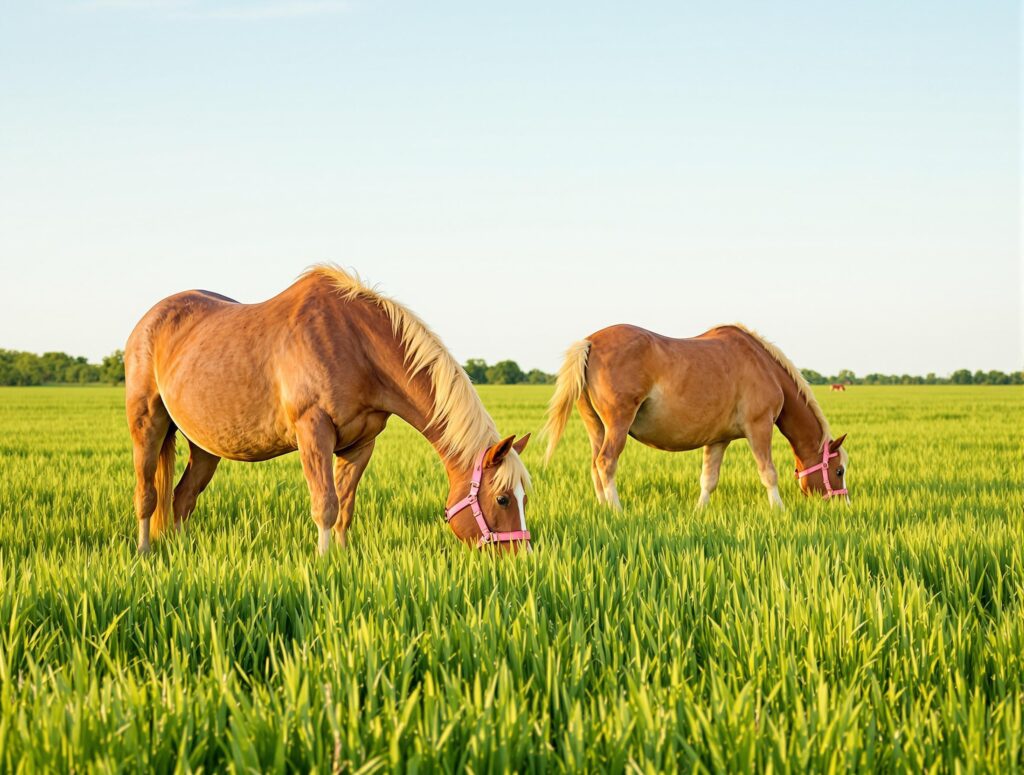
Did you know that all horses have internal parasites? Over 150 types of parasites infect horses through soil, water, and flies. The most harmful parasites include large and small strongyles, bots, roundworms, threadworms, tapeworms, and lungworms. If your horse is infested with these parasites, it can cause weight loss, anemia, colic, coughing, wheezing, poor skin […]
Causes of Horse Ulcers
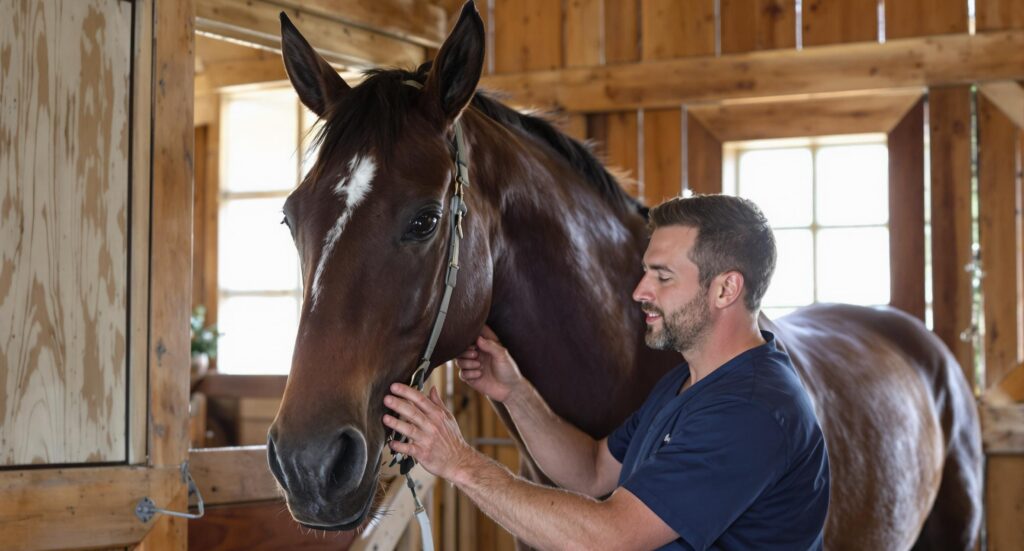
What Are Horse Ulcers? Horse ulcers are non-healing sores that can develop both outside and inside the body. In horses, ulcers most commonly develop in the stomach and are known as gastric ulcers. These sores may also occur in the intestines, including the colon, though stomach ulcers are the most frequently diagnosed form. The horse’s […]
Horse Lameness Treatment
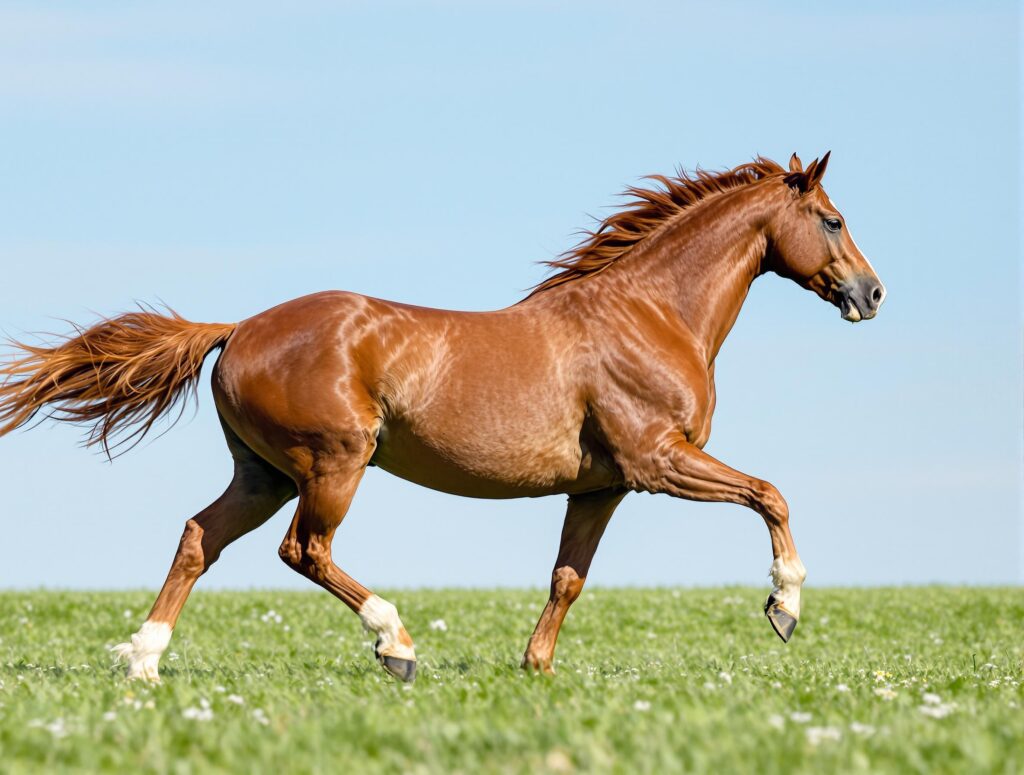
Treatment Options for Horse Lameness Treatment for horse lameness is most successful when it addresses the cause of lameness. In general, it helps to reduce your horse’s weight and amount of exercise, have your horse stand on soft flooring, undergo hydrotherapy, receive optimum nutrition, and take appropriate pain and anti-inflammatory medications. Many horse owners also […]
Horse Wormers (Equine Wormers)
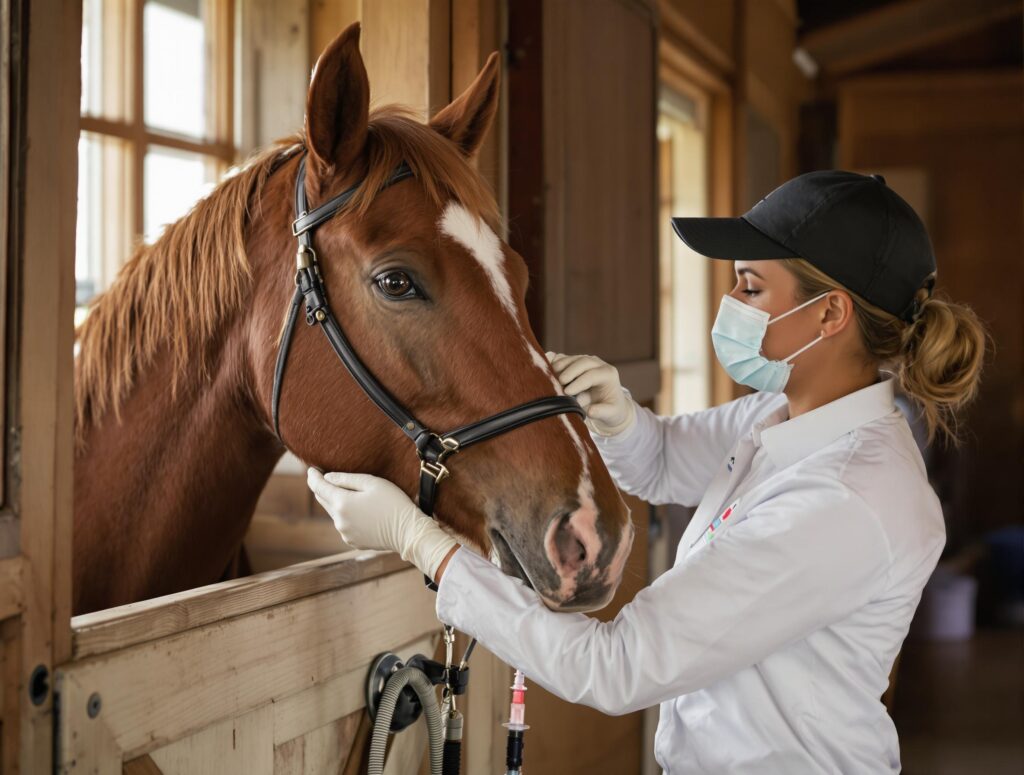
Deworming Your Horse More than 150 parasites infect horses through soil, water, and flies. Among the most troublesome are large and small strongyles, bots, roundworms, threadworms, tapeworms, pinworms, and lungworms. For most horses, parasites are not a minor problem but a serious issue that can cause anemia, colic, coughing, wheezing, poor hair coat, and reduced […]
What Is Horse Lameness?
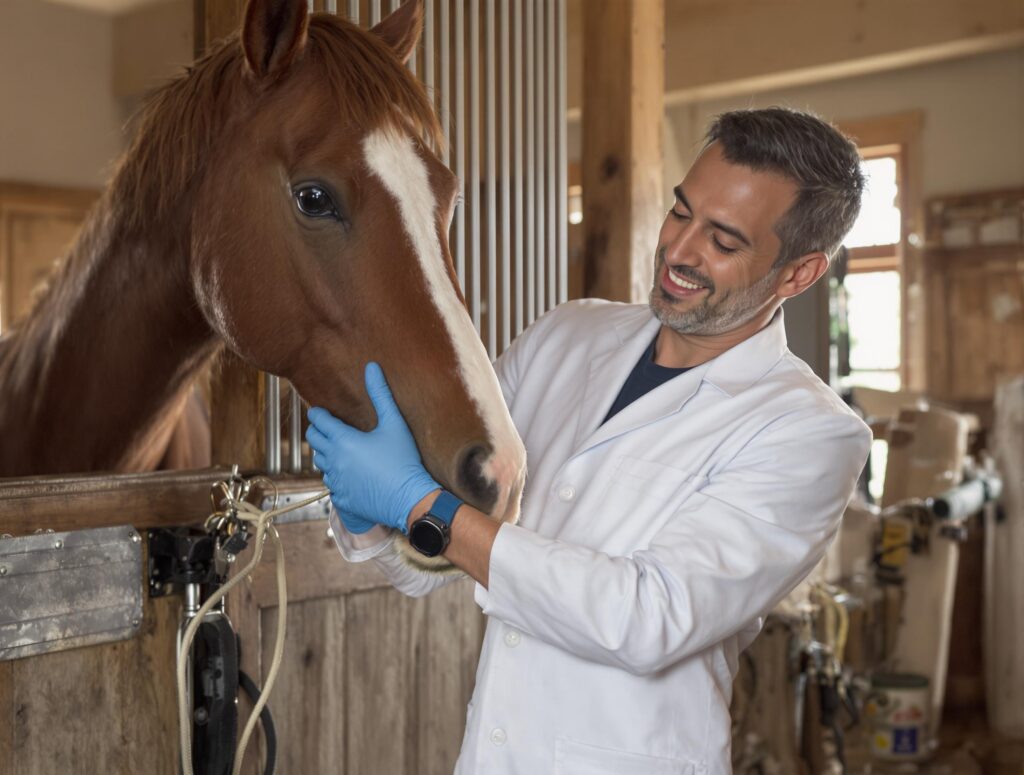
Horse lameness, also called equine lameness, is a mild to severe loss of the ability to move normally. It can be caused by problems in a horse’s bones, muscles, nerves, tendons, ligaments, brain, circulation, or metabolism. Almost any abnormality in the body can affect a horse so that it becomes lame. However, the majority of […]
Horse Lameness Symptoms

Signs and Symptoms of Lameness in Horses Common signs of lameness in horses include: Horse lameness symptoms range from the most obvious to the most obscure. Lame horses may shift their weight restlessly from one foot to another. They may stand with their legs splayed widely or tucked in under their bodies. Some hold a […]
Horse Ulcer Symptoms
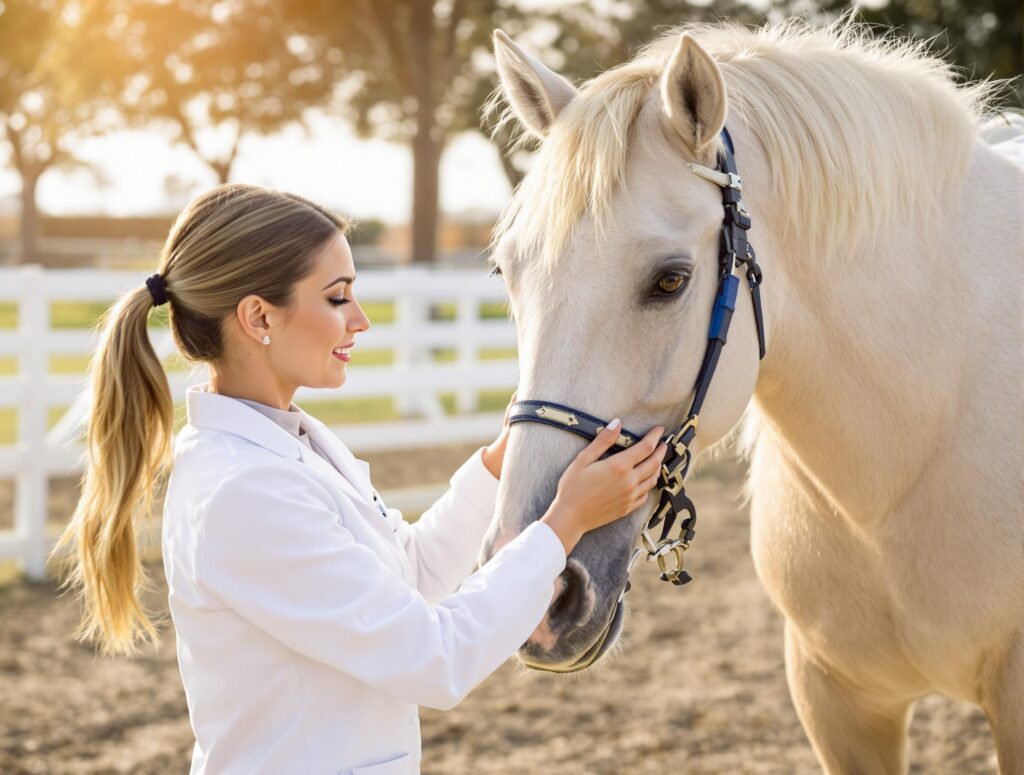
Signs Your Horse May Have an Ulcer Common horse ulcer symptoms include: Many things may make us suspect a horse has ulcers, such as blood in the stool, loss of appetite, and poor performance without any problems with the legs or feet. Tooth grinding, called bruxism, is a sign of pain. Foals with painful ulcers […]
Horse Ulcer Treatment
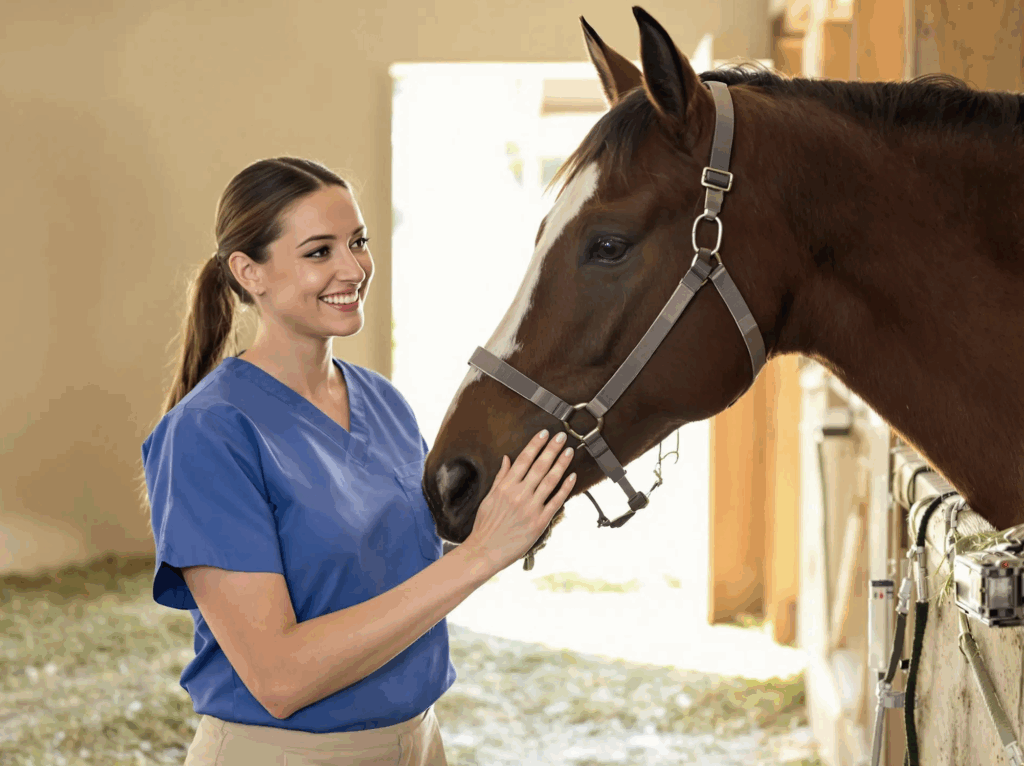
Horse Ulcer Treatment Options When treating horse ulcers, GastroGard (Rx) is given once a day for 28 days. It is possible to use UlcerGard to treat ulcers by increasing the dose, which means giving an entire tube rather than one-quarter tube per day. This increases the dose to 4 mg per kg and can be […]