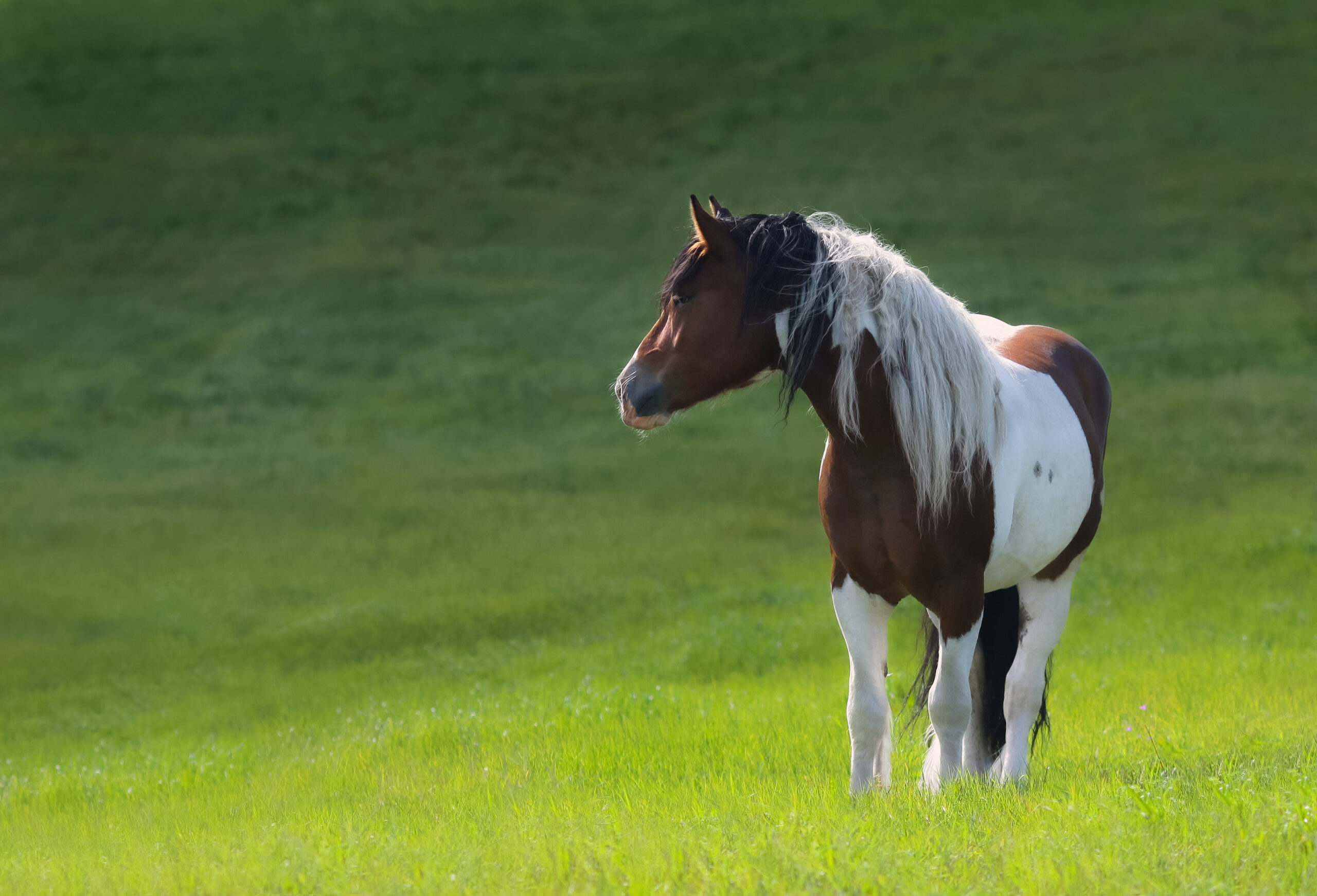
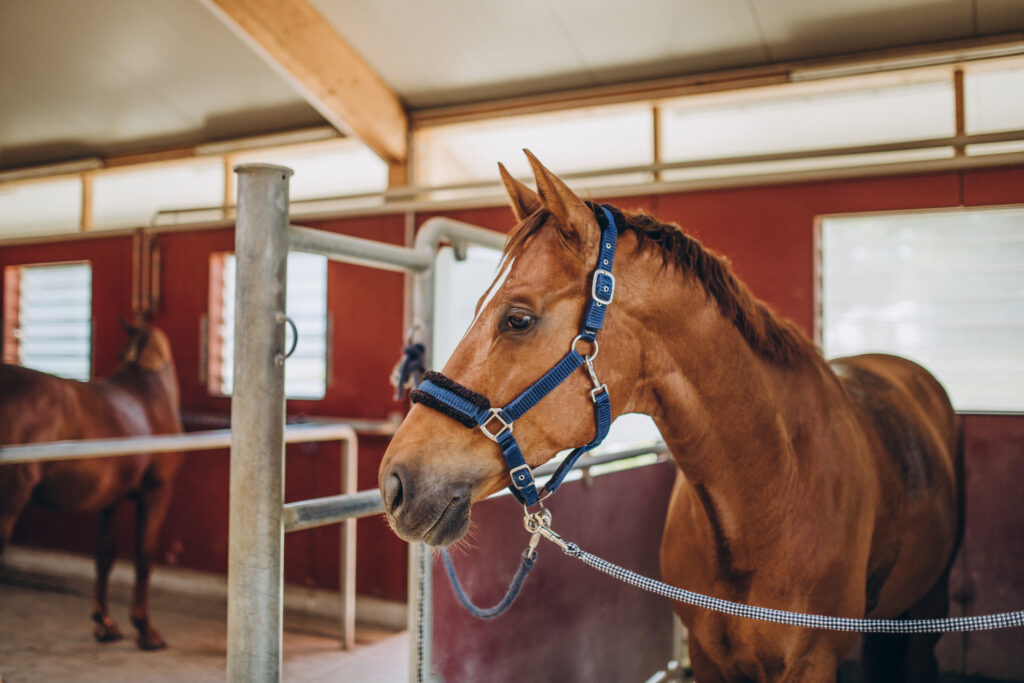
Any time your horse shows signs of pain or stiffness in their joints, it can seem to come out of nowhere. Horses generally avoid showing signs of pain, so by the time you notice a change in their gait, it may be difficult to link soreness to a specific event. What’s more, it can be difficult to distinguish between pain in your horse’s hock and pain in their stifle, making it harder to create an effective treatment plan. By closely observing your horse’s gait, you may be able to determine what’s causing them to slow down.
Signs of Stifle Pain in Horses
Your horse’s stifle joint is located on each of their rear legs and is similar to a human’s knee joint. When your horse has a sore stifle, you might notice that they:
- May avoid putting weight on the affected leg
- Stand with the stifle joint rotated outward
- Drag the toe while walking
- Struggle with going downhill
- Seem weak, almost collapsing while riding
Signs of Hock Pain in Horses
Your horse’s hock joint is the equivalent of the human ankle. When your horse experiences soreness in their hock, you might notice that they:
- May avoid putting weight on the affected leg
- May point the affected leg
- May pull the affected leg under their body
- Seem stiff or have jarring movements while riding
Treating Hock and Stifle Soreness in Horses
Soreness or stiffness in your horse’s joints after exercise can be caused by arthritis, sprains, tendonitis, or bursitis. Giving your horse time to warm up before exercise and cool down afterward can help minimize joint injuries and soreness. You can also support long-term joint health with a horse joint supplement like the vet-recommended Cosequin ASU for Horses. Even so, most horses are expected to experience some joint soreness at some point due to normal wear and tear.
You can cool down inflamed joints with ice packs or cold hosing therapy. Applying cold water or ice to the affected joint can reduce inflammation and help soothe pain. Use ice or cold water for no more than thirty minutes at a time, as overusing cold therapy can make inflammation worse.
If your horse’s hock or stifle soreness persists, your veterinarian may need to take X-rays or run other tests to determine the underlying cause and the severity of the injury. They may prescribe horse pain medications such as NSAIDs to control inflammation and promote healing. For a full range of horse health and wellness products, including joint supplements and prescription medications, 1800PetMeds can help you find what your horse needs to feel their best.