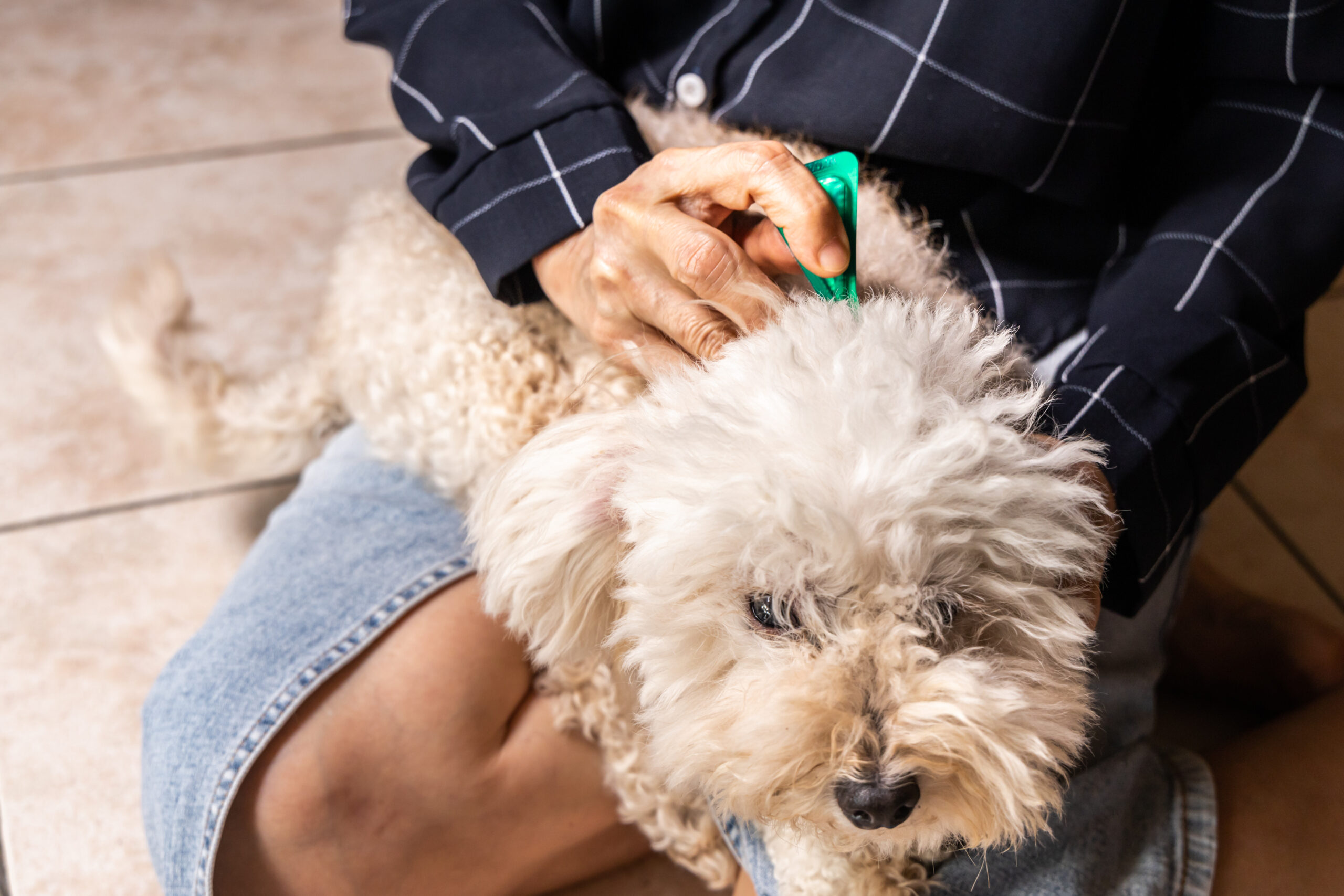

The arrival of the New Year is an excellent time to focus on pet health care and to save money on pet health expenses. Will you be making any — or all — of the resolutions below?
Schedule Regular Veterinary Visits
Semiannual veterinary checkups are recommended for most pets. When choosing a veterinarian, look for one who is open-minded and progressive about both conventional and holistic veterinary medicine. Veterinarians trained in both models are more likely to follow modern vaccination protocols — an important consideration given the growing concern about over-vaccination and the role it may play in escalating chronic diseases in pets.
When possible, ask for vaccination antibody titer testing instead of automatically vaccinating pets annually for core viruses such as canine parvovirus, canine distemper, and feline panleukopenia. For middle-aged and older pets, annual to semiannual blood work is important to monitor blood counts, organ function, and early detection of disease. If available in your area, consider choosing an AAHA-accredited veterinary hospital, which often has state-of-the-art equipment and veterinary care.
Need help finding a veterinarian in your area? Use our free Vet Locator.
Rethink Your Pet’s Diet
Holistic veterinarians are more likely to be knowledgeable about healthier diets. For optimal nutrition, look for natural pet foods made with whole meats or named meat meals, preserved naturally with no artificial ingredients. Some well-regarded pet food companies include Wysong and Taste of the Wild.
Consider feeding a proper homemade diet as described in Dr. Pitcairn’s Complete Guide to Natural Health for Dogs and Cats by Richard Pitcairn, D.V.M., Ph.D., or The Natural Cat by Anitra Frazier. It is also recommended that pet owners supplement their pet’s diet with vitamins and supplements, digestive enzymes, and Omega-3 fatty acids to help round out the diet.
Get Serious About Your Pet’s Dental Health
The New Year is a great opportunity to start your pet on a dental care program. Approximately 75% of pets over the age of 3 have some degree of periodontal disease, which may be linked to oral discomfort, tooth loss, and systemic diseases of the heart, liver, and kidneys. Brushing your pet’s teeth takes time and patience — start a few days each week until your pet becomes comfortable with the routine.
Explore pet dental health products to find toothbrushes, toothpastes, dental chews, and rinses that can support your pet’s oral hygiene between brushings. For more information, read our guide on how to brush your pet’s teeth.
Familiarize Yourself With Proper Grooming Tips
Routine grooming provides an opportunity to examine your pet’s body and identify potential problems before they become serious. A useful reference for at-home grooming is All Breed Dog Grooming Guide by Sam Kohl, which covers both technique and product recommendations. Bathing your pet at home can save money on professional grooming trips — just be sure to brush and comb out any mats and tangles before bathing.
Stock up on the right tools by browsing pet beauty and grooming supplies. For more tips, read our guide to Caring for Your Pet’s Skin and Coat.
Enroll Your Pet in a Pet Insurance Policy
If you do not already have pet insurance, the New Year is a good time to research a policy that suits your pet’s needs and your budget. Pet insurance can protect your dog or cat and help you avoid unexpected veterinary costs — nearly 95% of pets may experience a health emergency during their lifetimes, which can result in significant bills. Another option is to ask whether your veterinary office accepts CareCredit®, which offers instant credit to qualifying pet owners.