
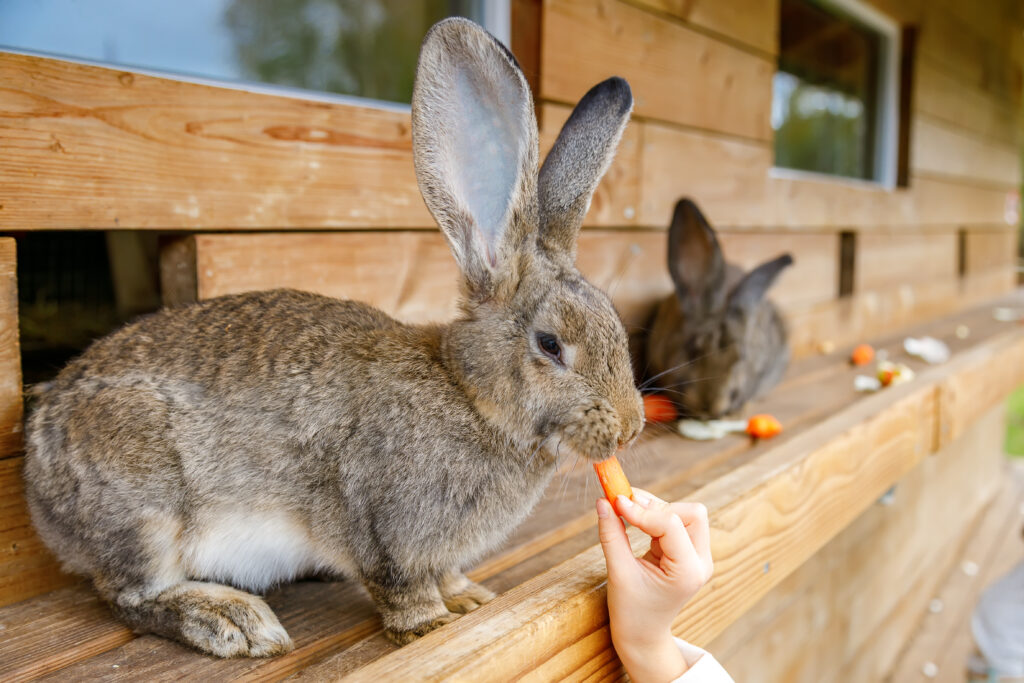
You already know that you should eat a rainbow of fruits and veggies every day. But what about your pets? Dogs and cats experience many of the same benefits from the vitamins, fiber, and hydration found in fresh fruits and vegetables. Try sharing these fruits and veggies with your pet the next time you make yourself a healthy snack.
What to Know Before Sharing Produce with Pets
As with any new food ingredient, fruits and vegetables can trigger an adverse reaction in pets prone to allergies or gastric upset. Introduce new foods gradually, one at a time, in very small amounts.
Most fruits and vegetables are high in fiber. While fiber can help support a balanced gut microbiome, promote healthy digestion, and even relieve hairballs, it can also be hard on your pet’s digestive system, which is designed primarily to break down animal protein. Serve dogs and cats no more than a few bites of produce at a time. Consider steaming fruits and vegetables as well, which can make them easier to digest.
Fruits and vegetables can also be high in natural sugars. Cats cannot taste sweetness, so they may be less likely to sample these new foods, but dogs are likely to overindulge in sweet-tasting foods. Even natural sugars can contribute to weight gain and diabetes, so make sure to control your pet’s portions.
Fruits and Vegetables That Are Unsafe for Pets
Not all fruits and vegetables are safe for pets. The following should never be fed to dogs or cats:
- Grapes
- Raisins
- Tamarinds
All three contain an ingredient known to cause kidney failure in dogs and cats.
Consult your veterinarian or schedule a telehealth vet appointment online before making any significant changes to your pet’s diet, especially for pets that take medication or have a chronic health condition.
10 Fruits and Veggies to Share with Pets
Fruits and veggies can be chopped, steamed, or shredded to make them easier to chew and digest.
1. Carrot
These sweet, orange root vegetables are a crunchy snack that dogs love. While some adventurous felines will crunch on these veggies right off the chopping board, you can also steam and mash carrots for pickier pets. Raw carrots may help reduce plaque and freshen your pet’s breath — if you’re looking for additional ways to support your pet’s oral health, browse dog and cat dental care products at 1-800-PetMeds. Both steamed and raw carrots are an excellent source of vitamin A in the form of beta-carotene, the plant compound that gives the root its orange color. Vitamin A is an antioxidant that supports vision, bone growth, skin and coat health, and immunity in dogs.
2. Kale and Other Leafy Greens
Dark green leafy vegetables like kale are packed with vitamins A, C, and K, along with calcium, iron, and fiber. Research also suggests that adding leafy greens may reduce your dog’s risk of certain cancers by up to 90%. While cats may experience the same benefits, the oxalates and calcium found in leafy greens can contribute to urinary tract issues in feline family members. Some dogs may chomp on fresh, bitter-tasting greens, but lightly steamed veggies are more likely to be well received. For cats, ask your veterinarian before feeding, especially for cats with a history of urinary stones.
3. Avocado
It is a common misconception that avocados are not safe for pets. Only the skin, stem, and pit of the fruit contain persin, a mild toxin, while the delicious, creamy flesh is perfectly safe for pets to enjoy. Avocado is an excellent source of healthy monounsaturated fats that support heart, brain, skin, and coat health, plus fiber and an array of immunity-boosting vitamins and minerals. Soft fruits like avocado, as well as any fruit or vegetable puree, can be scooped into a Kong toy and frozen for a cool treat on hot days.
4. Strawberries
Strawberries are packed with immunity-boosting vitamin C, cancer-fighting antioxidants, and gut-healthy prebiotic fiber. Your pet can enjoy both the fruit and the leaves, which are also packed with nutrients, so there is no need to trim before serving. As an added bonus, strawberries contain malic acid, an ingredient that can help remove surface stains on teeth.
5. Blueberries
Did you know that the compounds that give fruits and veggies their vibrant colors are also antioxidants that help fight disease? That is why it is so important to feed a rainbow of foods. Purple foods like purple yams, blueberries, acai berries, and eggplants are all rich in anthocyanins, an antioxidant that helps protect cells from oxidative stress, reduces inflammation, and protects heart and brain health. Purple superfoods like blueberries may even help prevent cancer in pets. To complement your pet’s diet with targeted antioxidant support, explore vitamins and supplements for dogs at 1-800-PetMeds.
6. Green Beans
Many pets love snapping up crunchy, slightly sweet green beans. For pets that do not enjoy the taste, try freezing, steaming, or marinating them in low-sodium bone broth. Green beans are a great vegetable source of antioxidants, though they are not as nutrient-dense as leafy greens like kale. They are also packed with fiber, making them a popular choice for pets that need to lose weight. Veterinarians often recommend replacing a small portion of your pet’s food or treats with green beans to help them feel satisfied with fewer calories. When reducing your pet’s caloric intake, make sure they are still getting all of the nutrients they need by switching to a lower-calorie weight management pet food and using low-calorie foods like green beans as a treat or meal topper.
7. Watermelon
Sweet, fresh watermelon is a hit with many pets. The fruit lives up to its name with a water content of 92%, making it a great way to keep your pet hydrated in the summer. It is rich in vitamin C, as well as the antioxidant lycopene, which gives it its red color. Lycopene may help fight cancer, support heart health, and reduce inflammation. Its high water and fiber content are also great for your pet’s digestion.
8. Apples
Can an apple a day keep the vet away? Maybe. While your pet should still see their veterinarian for a wellness checkup at least once a year, occasionally adding fruit to their diet can be a great way to boost their immunity, digestion, and even their dental health. The skin can be tough for pets to digest, so be sure to peel your pet’s portion before serving. Apples can also be steamed, mashed, and sprinkled with cinnamon to make a healthy apple pie-inspired treat.
9. Pumpkin
A little pumpkin goes a long way, especially when it comes to digestive troubles. Pumpkin is rich in both soluble and insoluble fiber, making it a highly recommended home remedy for pets with diarrhea or constipation. Too much can cause adverse effects, however, so it is important to limit your pet’s portion to just a small amount. Use only 100% pure canned pumpkin puree or pumpkin puree that you have prepared yourself. While many herbs and spices are safe for pets, canned pumpkin pie mix is often high in sugar and other added ingredients that may not be safe to feed. For additional digestive health support, browse digestive health products for cats at 1-800-PetMeds.
10. Sweet Potatoes
Sweet potatoes, like pumpkins, are high in fiber, as well as beta-carotene, the orange-pigmented antioxidant that boasts disease-fighting and inflammation-fighting properties. Sweet potatoes are best boiled or steamed, then mashed before serving to your pet. Dogs also love dehydrated sweet potato slices, a chewy treat that may help fight dental plaque.