One of the most fun and rewarding ways to make a difference in your community is to volunteer for animal-assisted therapy work. If you have a cat or dog that brightens your day, enjoys meeting new people, and has plenty of love to go around, they might be the perfect therapy partner.
What Is Animal-Assisted Therapy?
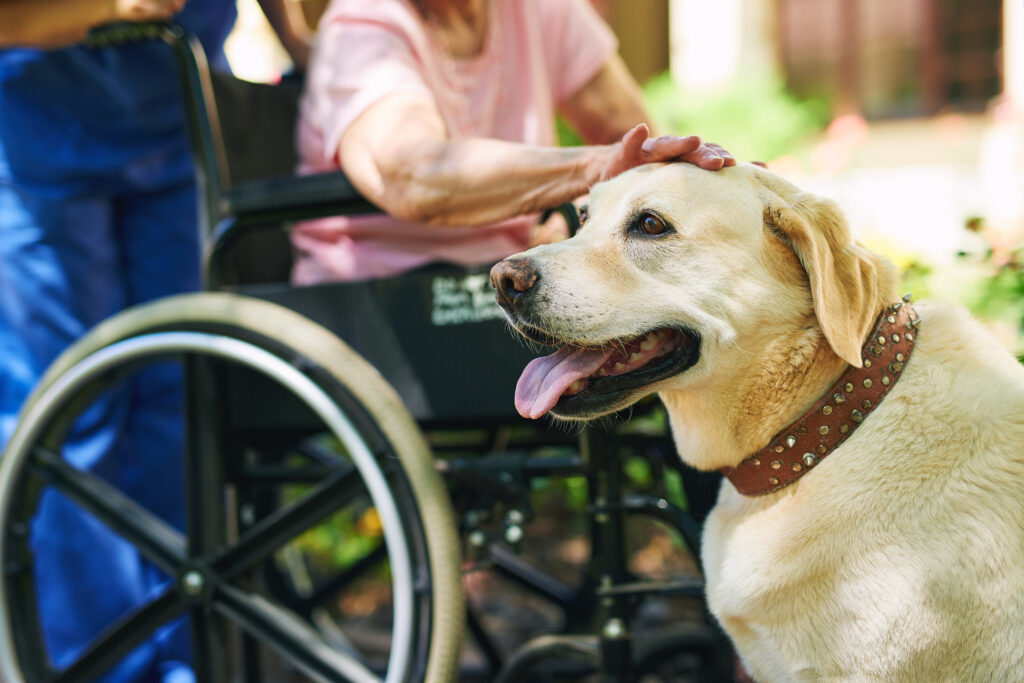
Animal-assisted therapy, or pet therapy, consists of interactive sessions with a trained animal — usually a cat or dog, but it could be any pet that enjoys interacting with strangers and making new friends. Some examples of places that use animal-assisted therapy include schools, nursing homes, hospitals, correctional facilities, and assisted living facilities.
Simply interacting with an animal has been shown in numerous research studies to lower stress indicators like cortisol levels, blood pressure, and heart rate, and to increase the beneficial feel-good hormones oxytocin and serotonin. These stress-lowering interactions can help encourage communication skills, promote learning, and alleviate loneliness.
Keep in mind that a therapy pet is permitted in medical and educational facilities during scheduled visits, but does not have other public access rights like a service animal. Like any other pet, a therapy animal cannot enter non-pet-friendly stores or restaurants.
Is Animal-Assisted Therapy Right for My Pet?
Therapy animals are typically dogs, but cats, pigs, rabbits, and even horses can do therapy work. The most important qualifier is that your animal loves people and does not mind changes in their surroundings.
You will need to work with a pet therapy group — usually a nonprofit that makes visits to local facilities. Your pet will need to not only interact with humans they do not know, but they will also be around other animals. You will also be taking them to places like schools, which may have loud, active children, and hospitals, with staff, medical equipment, and wheelchairs. Your pet will need to either be tolerant of potential stressors or be trained to relax in different surroundings.
No matter how laid-back your pet is, you will need to be their advocate. You will need to set boundaries with students, patients, or residents who may not know how to interact safely with your pet.
Steps to Becoming an Animal-Assisted Therapy Team
Most hospitals, schools, and other facilities will not allow just anyone to visit. You will need to apply to join a local group that arranges visits.
Joining a Therapy Animal Organization
You can expect to:
- Submit an application
- Pass an in-person assessment with your pet
- Attend trainings and orientations
Most groups have reasonable fees to cover costs like insurance, and each group has its own set of guidelines that you must follow.
Meeting Health and Temperament Requirements
Generally, therapy animal organizations will require your pet to be fully grown, stable in temperament, and able to understand a few basic commands. Many groups also have hygiene and safety guidelines, which may include the following:
- Vaccinations: Your pet will need to be up to date on their vaccinations.
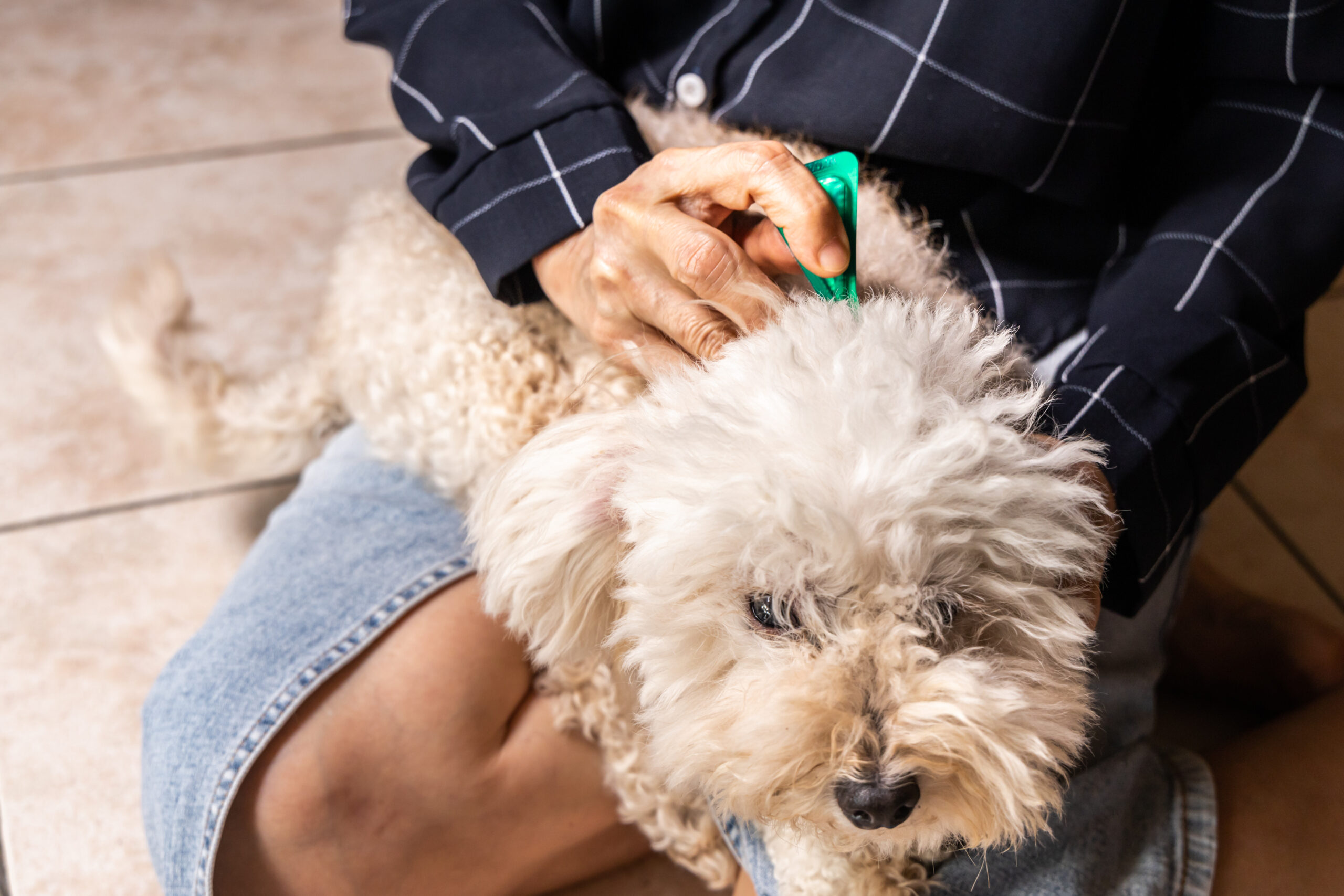
- Flea and tick prevention: Your pet may be required to be on a flea and tick preventative, especially for visits to medical facilities.
- Bathing: Your pet may need a bath before their visit. Stock up on dog shampoos and conditioners to keep your pet clean and visit-ready.
Getting Started
Volunteering with a pet therapy organization makes it easy to schedule visits, keep both your pet and facility residents and students safe, and even make new friends. To get started, apply to an animal-assisted therapy group near you, such as PAWS for People in NJ, DE, MD, and PA, or Pet Partners, which has teams across the United States.