
Elder Horse Care Tips For Your Horse’s Golden Years
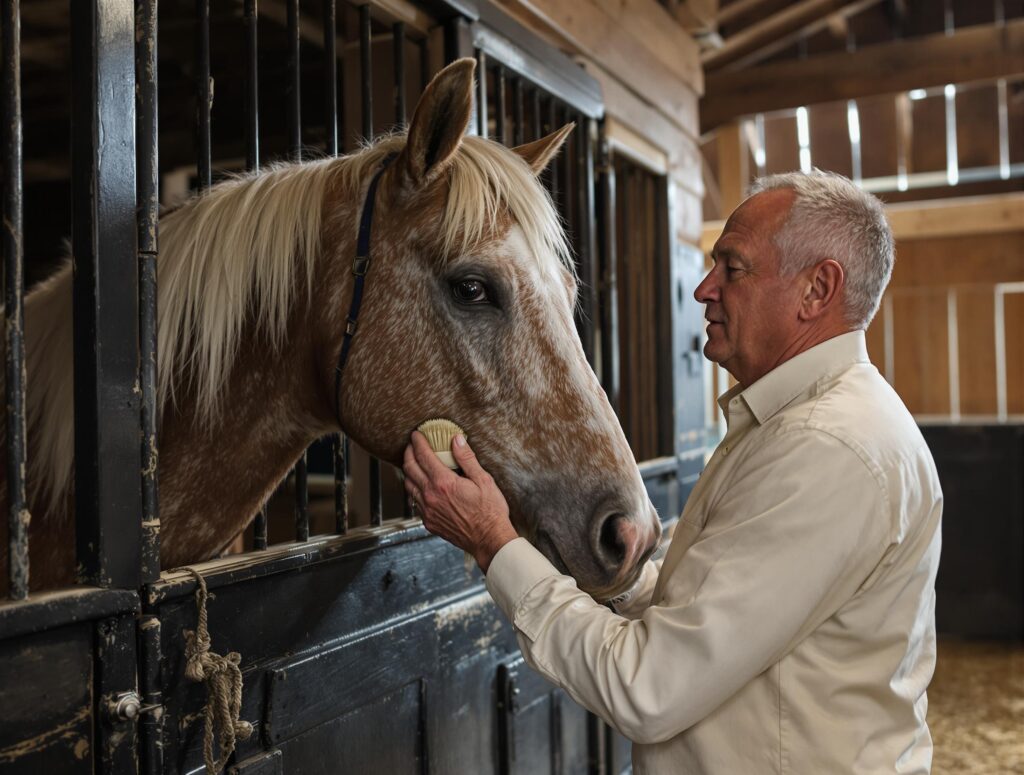
As your horse gets older, you may notice subtle changes in their health and behavior that indicate they are getting old or beginning to slow down. While some horses become elderly at just 15 years of age, others will make it to their early 20s and beyond with little to no signs of slowing down. […]
Enteroliths in Horses – A Common Cause Of Colic
Every horse will, from time to time, swallow small nonfood objects. Pebbles, clumps of hair, pieces of twine, wire, and other foreign bodies can usually pass through the horse’s digestive system without issue. In some cases, though, thin layers of minerals build up around the object, forming an enterolith. Enteroliths in horses, sometimes called gut […]
Fall Deworming For Horses
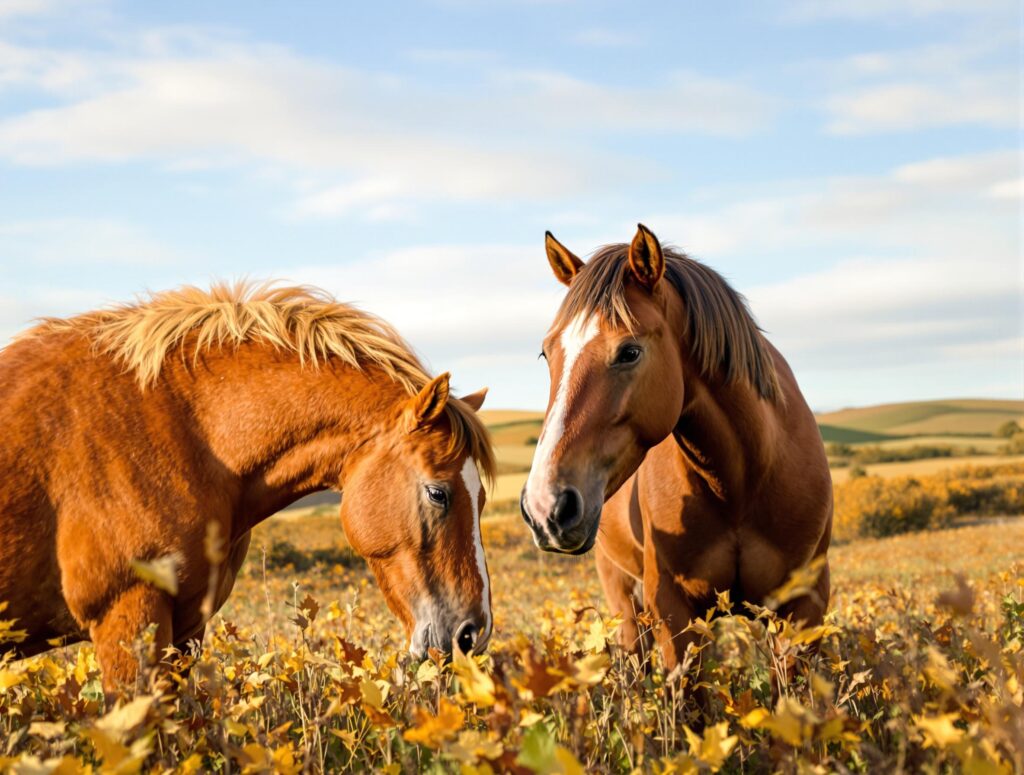
As summer comes to an end and the leaves start to change color, it is time to start thinking about fall deworming for horses. Most horses, even those found to be low-risk carriers, should be dewormed in the fall after the first frost for a fresh start in the following seasons. Using appropriate deworming products […]
Fall Hoof Care for Horses
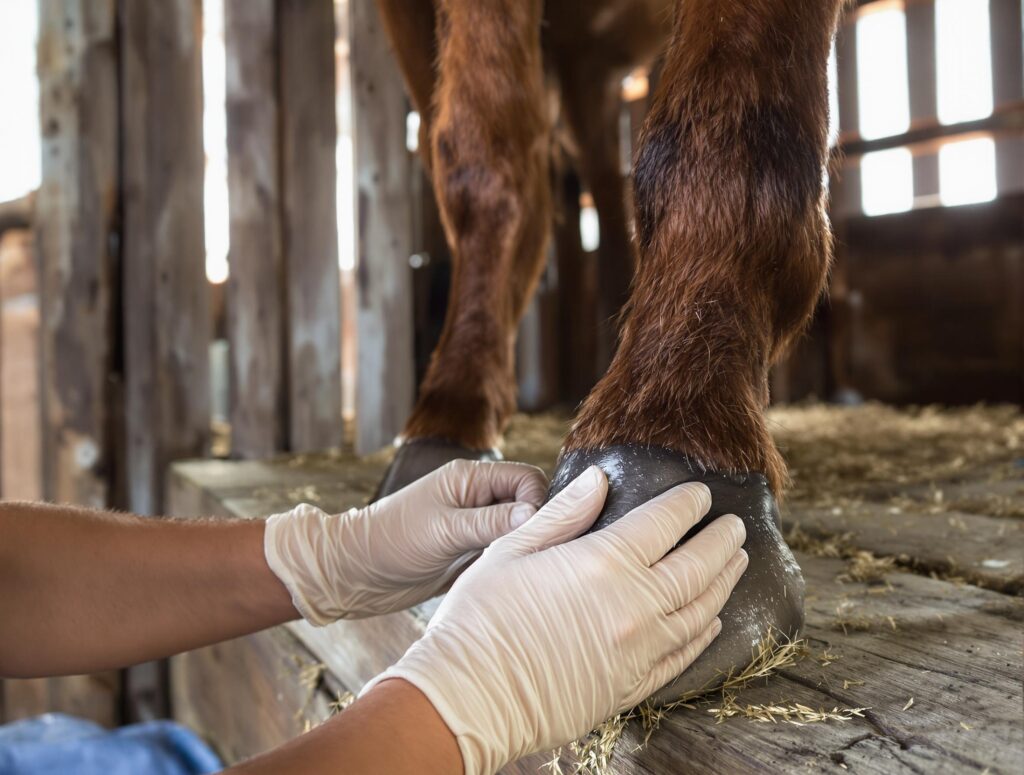
With the leaves turning colors and pumpkin spice in the air, it is time for another fall season staple: hoof care for horses. While you may take excellent care of your horse’s hooves year-round, the autumn season calls for a few special considerations. Fickle weather and rainy days bring environmental changes that can put your […]
Caring For A Horse With Hearing Loss

Whether you have recently acquired a deaf horse or your older horse has started to lose their hearing, you may be surprised at how well it adjusts. Deaf horses can work, compete, trail ride, and do just about anything that a hearing horse can do. There is even a deaf horse named Smash who works […]
Understanding Choke In Horses
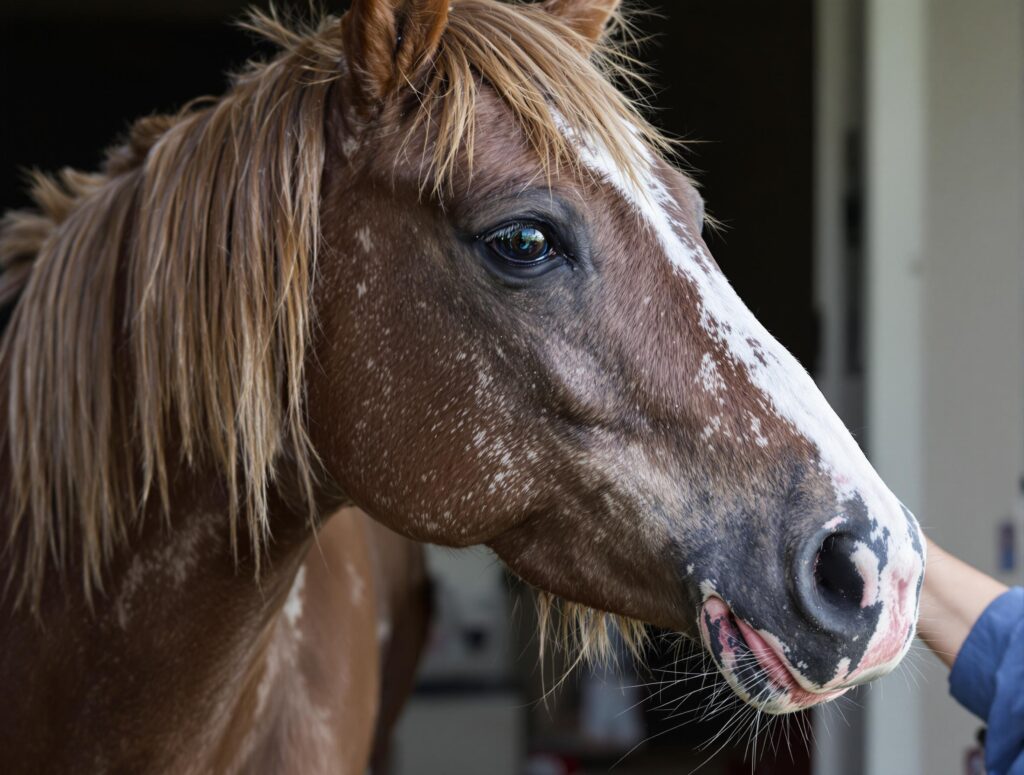
Choking in horses occurs when there is an obstruction in the esophagus, the tube that carries food from the mouth to the stomach. Not to be confused with choking, which is when food blocks the trachea or windpipe, choke in horses does not interfere with their ability to breathe. However, it does prevent them from […]
Common Eye Problems in Horses
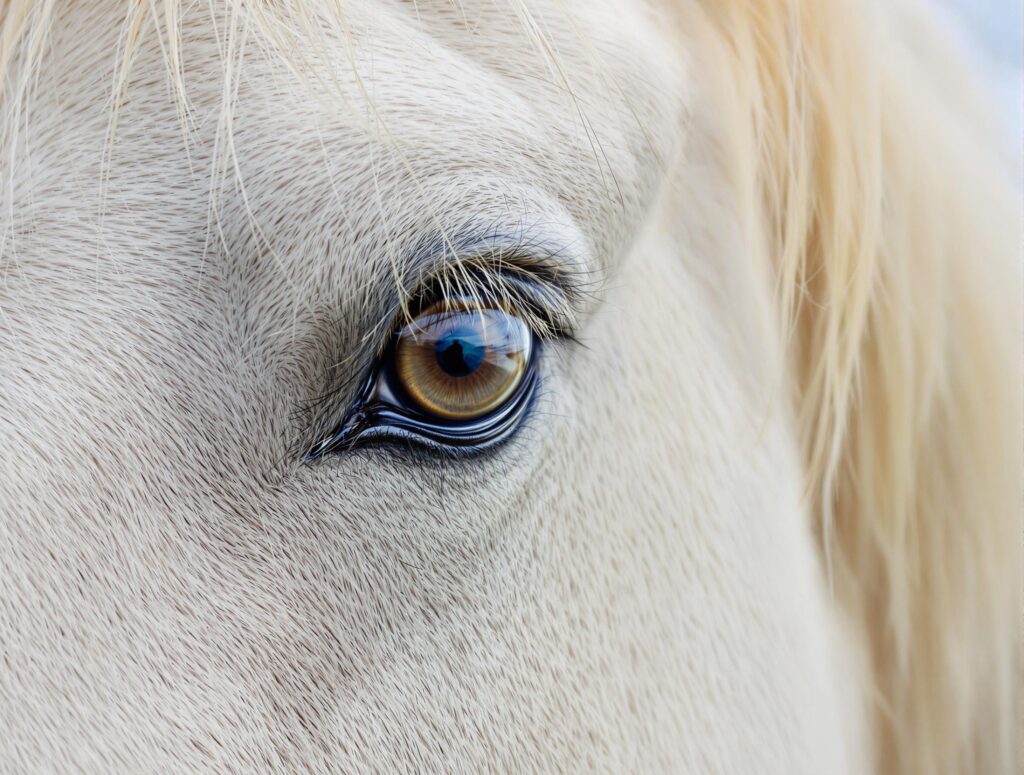
Your horse’s vision is the primary way they take in their surroundings and navigate their environment. Loss of eyesight is one of the most common reasons for the premature end of a horse’s riding, working, or competitive career. Squinting, watery eyes, swelling, redness, discoloration to any part of the eye, and sensitivity to sunlight are […]
What You Need To Know About Cracked Hooves In Horses
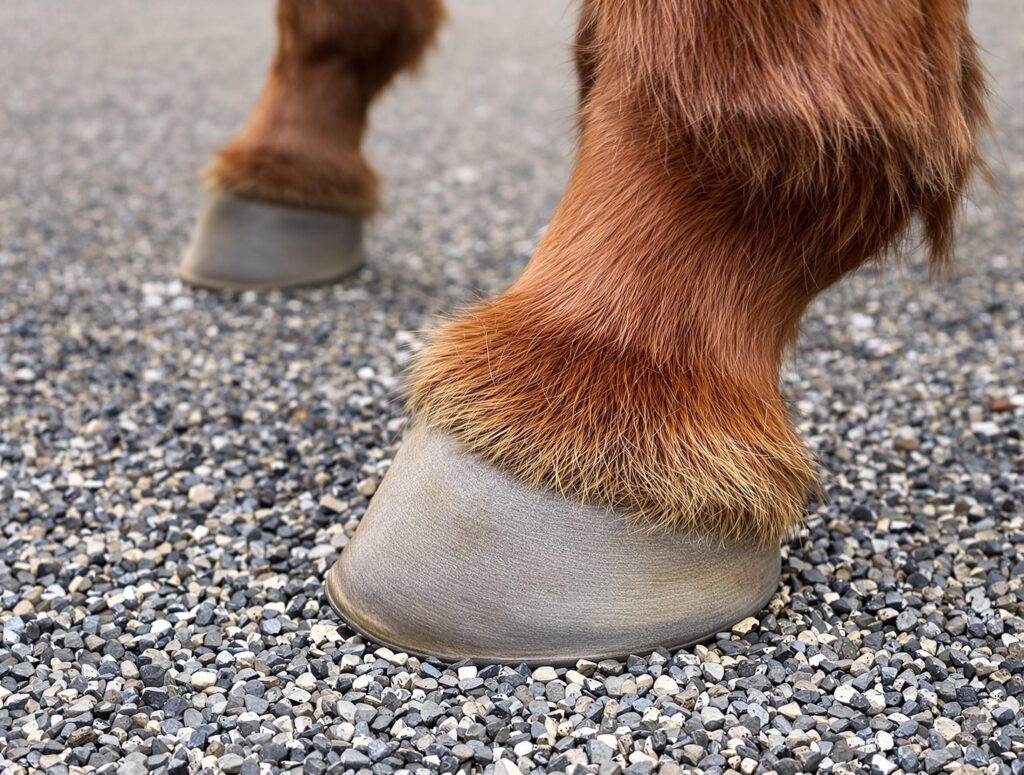
If you pick and inspect your horse’s hooves before and after riding, you may occasionally notice chips or cracks in the hoof wall. The hoof wall is much like a fingernail or toenail. Made up of keratin, it protects the delicate inner structures of your horse’s hooves from hard surfaces, moisture, and infection. Most of […]
Do Horses Get Diabetes? Demystifying Equine Metabolic Syndrome
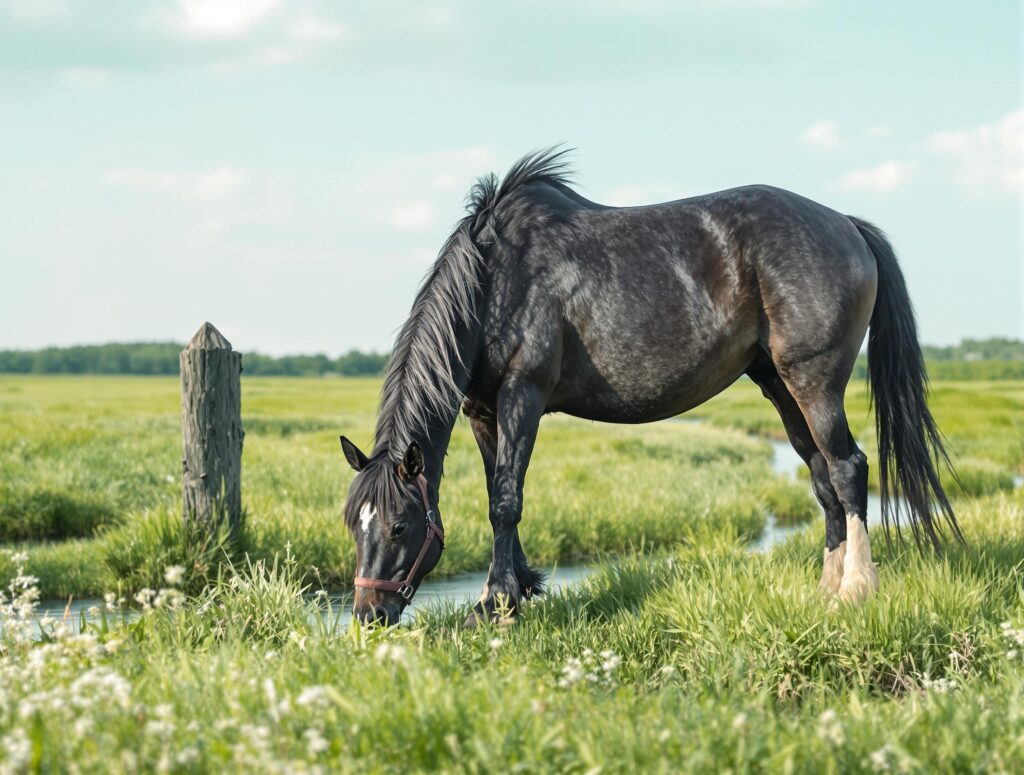
If your horse is over five years old, overweight, and prone to laminitis, they might have equine metabolic syndrome (EMS). It is a chronic condition comparable to Type II diabetes in humans. While EMS cannot be cured, it can be managed to help minimize symptoms and complications. Horse owners often work closely with veterinarians while […]
8 Benefits of Biotin for Horses
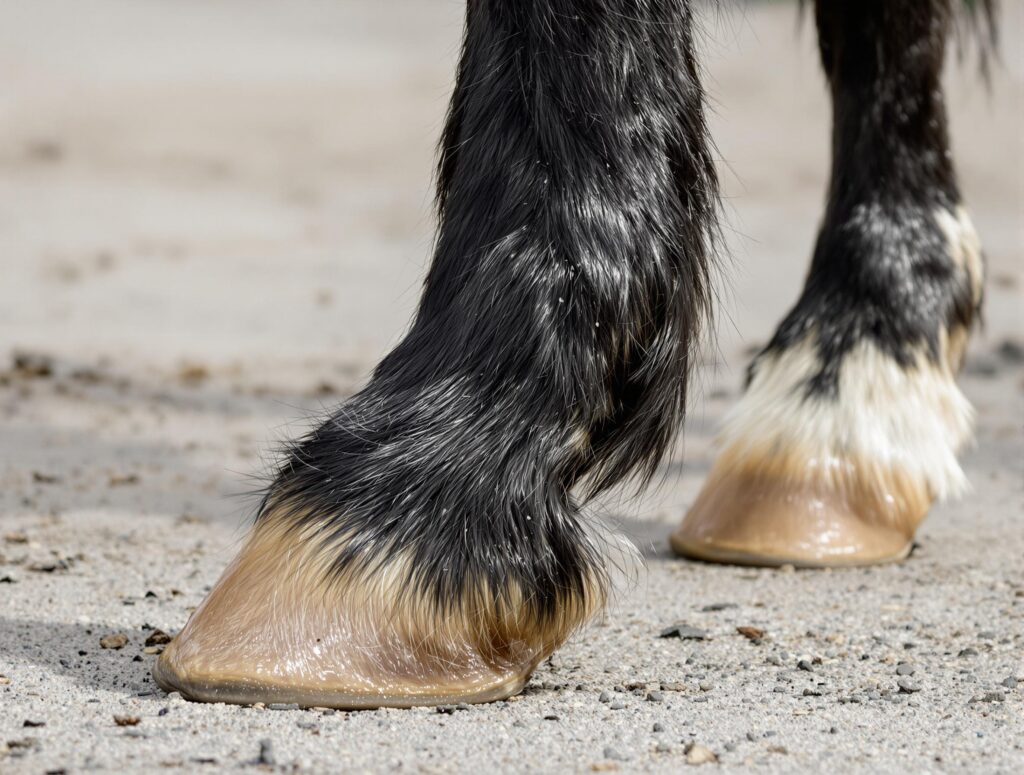
If your horse suffers from cracked, brittle hooves, you might already be considering adding biotin to their diet. Biotin, also known as vitamin B7, stimulates the production of keratin, a protein that makes up hooves as well as hair and skin. Though biotin deficiency is rare in horses, extra supplementation has many benefits beyond building […]
8 Ways To Help Support Your Horse’s Joints
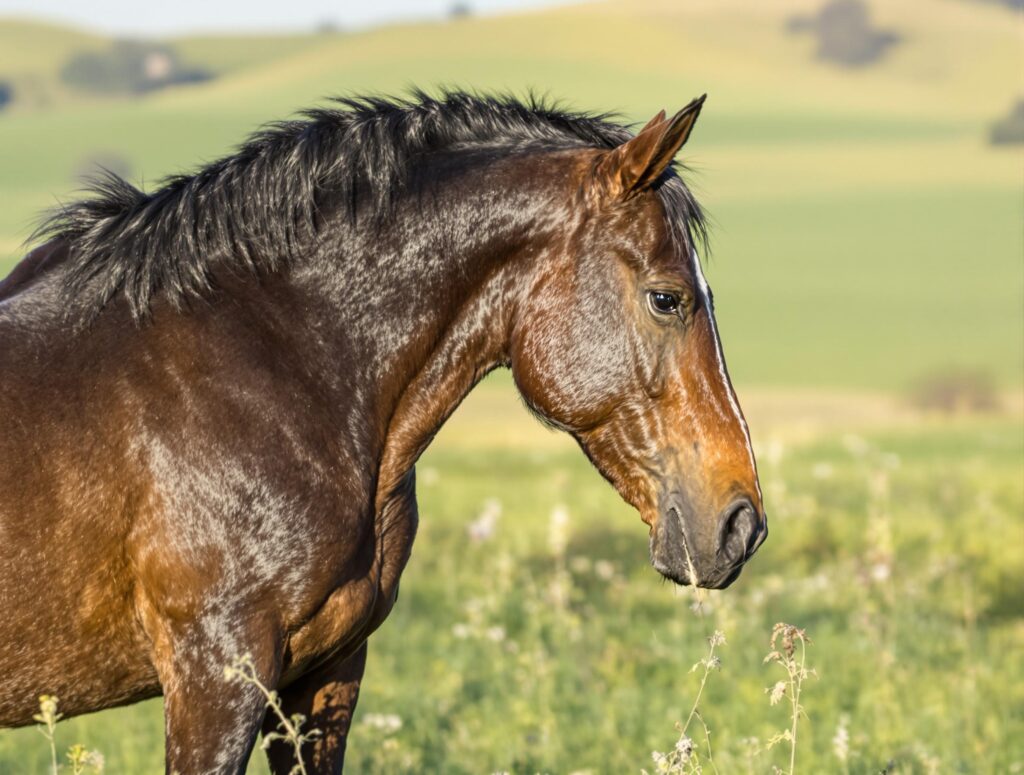
Whether you keep horses for pleasure, for work, or for competition, you will want to keep their joints healthy for as long as possible. While most horses will eventually experience some joint pain and stiffness, there are several ways to support joint health and extend their active years. Regular wellness care, proper nutrition, and the […]
What Causes Anemia In Horses?
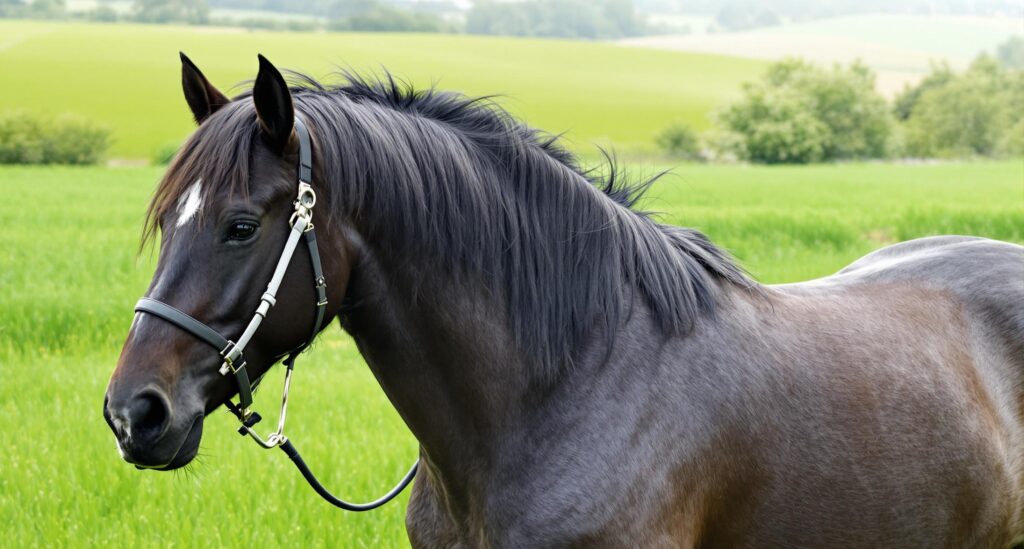
Your horse’s red blood cells are formed in the bone marrow. Their job is to carry oxygen to cells throughout the body. When your horse is low on red blood cells, either because their body is not making enough of them or the red blood cells have been lost or destroyed due to injury or […]
Are Carrots Good For Horses?
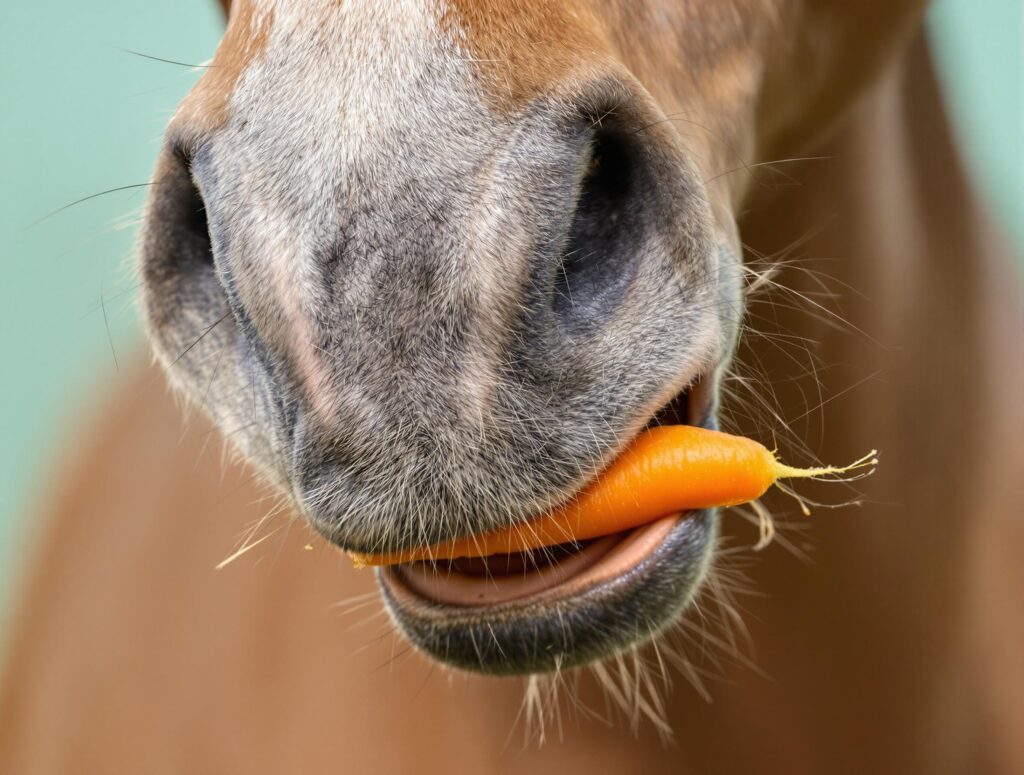
Sweet, crunchy carrots are the perfect treat for most horses. They are rich in vitamins and minerals and are made up of about 90 percent water. Given in moderation, they can be a great tool for fostering a bond with your horse and can also be used as a reward during training. How Many Carrots […]
Can A Horse Recover From Lameness
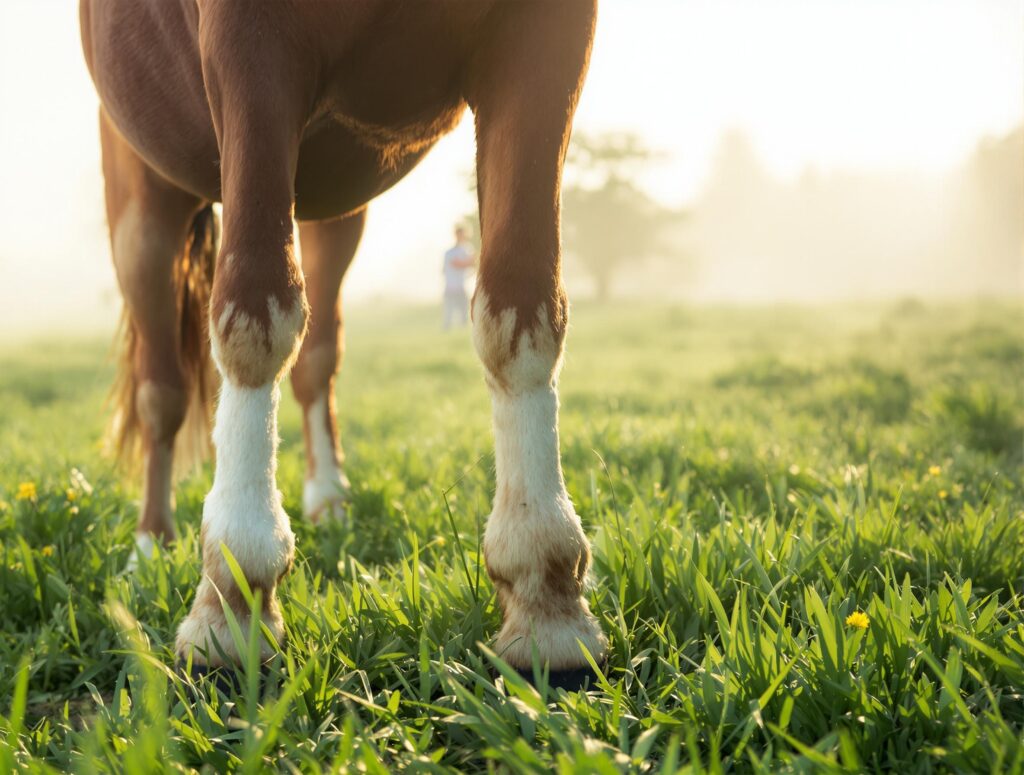
Lameness is the most common reason for horses to lose their ability to compete, ride, or work. Even so, a horse can recover from lameness in many cases. Whether or not your horse will make a full recovery depends on the severity of the condition, the horse’s age, how quickly treatment begins, and what treatments […]
3 Most Common Cancers In Horses

Cancer is much less prevalent in horses than in humans, dogs, cats, and many other species. It is uncommon, but not impossible, for a horse to develop cancer that affects internal organs. Horses are far more likely to develop cancer of the skin or tissue close to the surface of the body. By learning about […]