On June 21st, we celebrate National Dachshund Day, a day to discover, honor, and spoil one of the most iconic breeds in the dog world.
Known to those who love them as “wiener dogs,” “hot dogs,” “lowriders,” and “doxies,” Dachshunds have effortlessly captured the hearts of dog enthusiasts worldwide, with a larger-than-life personality that more than makes up for what they lack in height.
Learn about Dachshund breed history, breed standard and traits, and the best care to prevent and manage common health issues in doxies.
How the Dachshund Came to Be
The name Dachshund directly translates from German to mean “badger dog.” Originating in 15th-century Germany, the closest ancestors of the Dachshund were developed as a hunting dog with short legs and a long, narrow physique, optimal for chasing badgers into their underground burrows. Originally, the dogs were likely around 30 to 40 pounds in weight, sturdy enough to hunt in packs to take down larger game like wild boars.
The first Dachshunds had a smooth coat, and the long-haired and wire-coated varieties were developed later, possibly through cross-breeding smooth-coated doxies with spaniels and terriers. Long-haired dogs were better suited for colder climates, while the wirehaired variety could withstand harsh terrain with thorny underbrush.
In the late 1800s, rabbit hunters selectively bred a smaller doxie — a predecessor of the modern Miniature Dachshund — to fearlessly dig through narrow rabbit burrows. Today, the standard and miniature Dachshund are recognized as two variations within the same breed and can have a smooth, long, or wirehaired coat.
Through the 1900s, the Dachshund skyrocketed in popularity around the world. While most are no longer working dogs, many still participate in earthdog trials or their very own sporting event — wiener dog races — held at fairgrounds and race tracks.
As companion dogs, a tenacious spirit and compact size make the doxie a perfect sidekick and family favorite. Their distinct physique and doe-eyed charm are highly sought after by entertainers, artists, and fashionistas. A muse to painters like Andy Warhol and Pablo Picasso and a darling to actors from Clark Gable and Carole Lombard to Jack Black and Kirsten Dunst, the Dachshund became a mainstay in the top 10 most popular breeds in the United States.
Dachshund Breed Traits
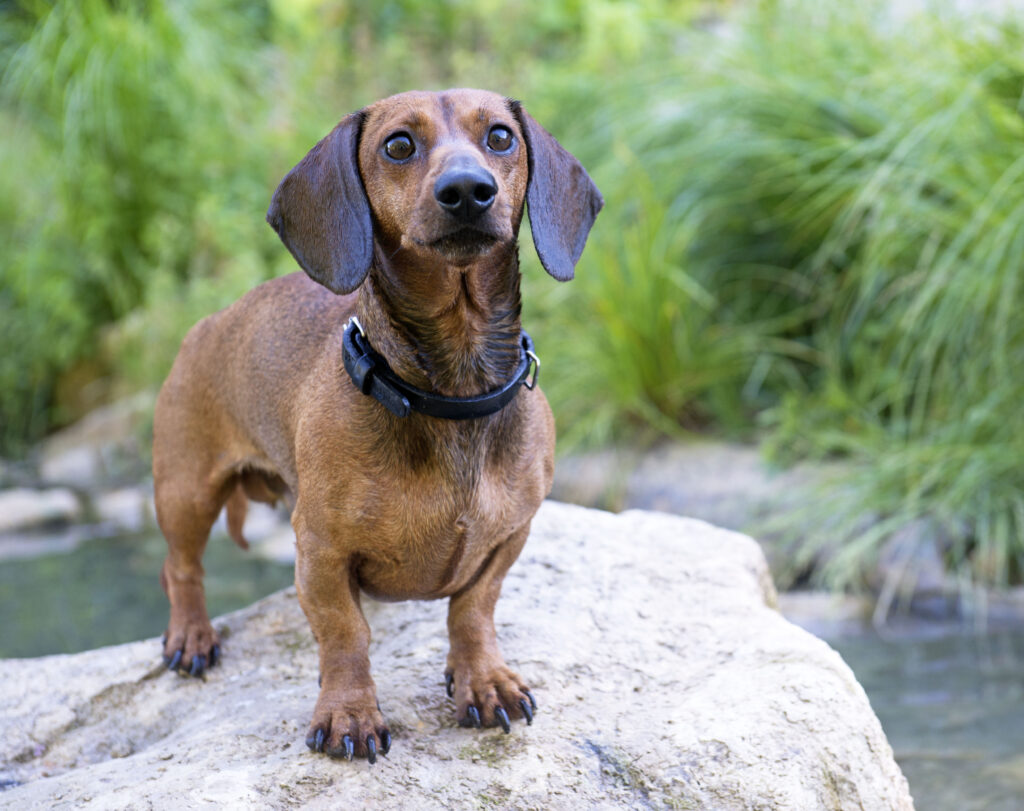
It’s easy to recognize the markers of a Dachshund, with its long, muscular body, short legs, paddle-like front paws, elongated head, and expressive eyes. Like other hound breeds, the Dachshund has long, pendulous ears that drag along the ground when the dog is hot on the trail of prey, sweeping up scent particles toward that powerful nose.
According to the AKC breed standard, the standard Dachshund can weigh up to 31 pounds when fully grown, while the Miniature weighs in at just around 11 pounds. Doxies come in a wide range of colors and patterns, such as red, black and tan, chocolate, and dappled. The three coat varieties are:
- Smooth coat — the original and most common variety
- Long-haired — developed for colder climates, with silky, flowing fur
- Wirehaired — developed for rugged terrain, with a coarse, bristly coat
Common Health Issues in Dachshunds
Dachshunds are a relatively sturdy, healthy breed, though their long-bodied, short-legged stature makes them susceptible to serious spinal issues.
IVDD in Dachshunds
Type I intervertebral disc disease (IVDD) is the biggest threat to the breed’s health and well-being, affecting up to 25% of Dachshunds. In dogs with IVDD, the shock-absorbing discs located between the vertebrae rupture, and the soft inner tissue pushes against the spinal cord. Dogs with lower grades of IVDD experience pain and numbness, while those with Grade 4–5 IVDD have complete hind-end paralysis and incontinence.
Virtually all Dachshunds carry a gene that makes their discs more likely to become brittle at an early age, though not all will suffer from the painful effects of IVDD. Doxies as young as one year old can begin to experience complications, though it is not clear why some dogs are affected while others will never experience spinal issues.
Seizures in Dachshunds
Seizures are also relatively common in Dachshunds. It is not clear why doxies are more likely to experience seizures than other breeds. Seizures can be caused by low blood sugar, diabetes, and thyroid issues. Some dogs are diagnosed with idiopathic epilepsy, or seizures of unknown cause. Miniature wirehaired Dachshunds are highly susceptible to a seizure disorder called Lafora Disease, which affects around 1 in 4 miniature wirehaired doxies.
Ear Infections in Dachshunds
Like other dogs with long, floppy ears, the Dachshund is prone to ear infections. The ear canal is more likely to trap moisture and debris, which can lead to the overgrowth of bacteria and yeast.
How to Care for Your Dachshund
A healthy lifestyle can help keep your Dachshund healthy, prevent certain health issues, and slow the progression of hereditary conditions.
Despite their small size, the Dachshund needs plenty of physical and mental stimulation. Still a working dog at heart, they love to be challenged with training and puzzles. Low-impact exercise — such as walking, hiking, and running — with limited jumping can prevent obesity and keep the back and core strong, potentially helping to reduce the chances of your dog developing complications due to IVDD.
A Dachshund’s ears are self-cleaning and usually do not require much day-to-day care. They should be kept clean and dry, especially after baths and swimming. In dogs with recurrent ear infections, regular cleaning or dietary changes may be necessary.
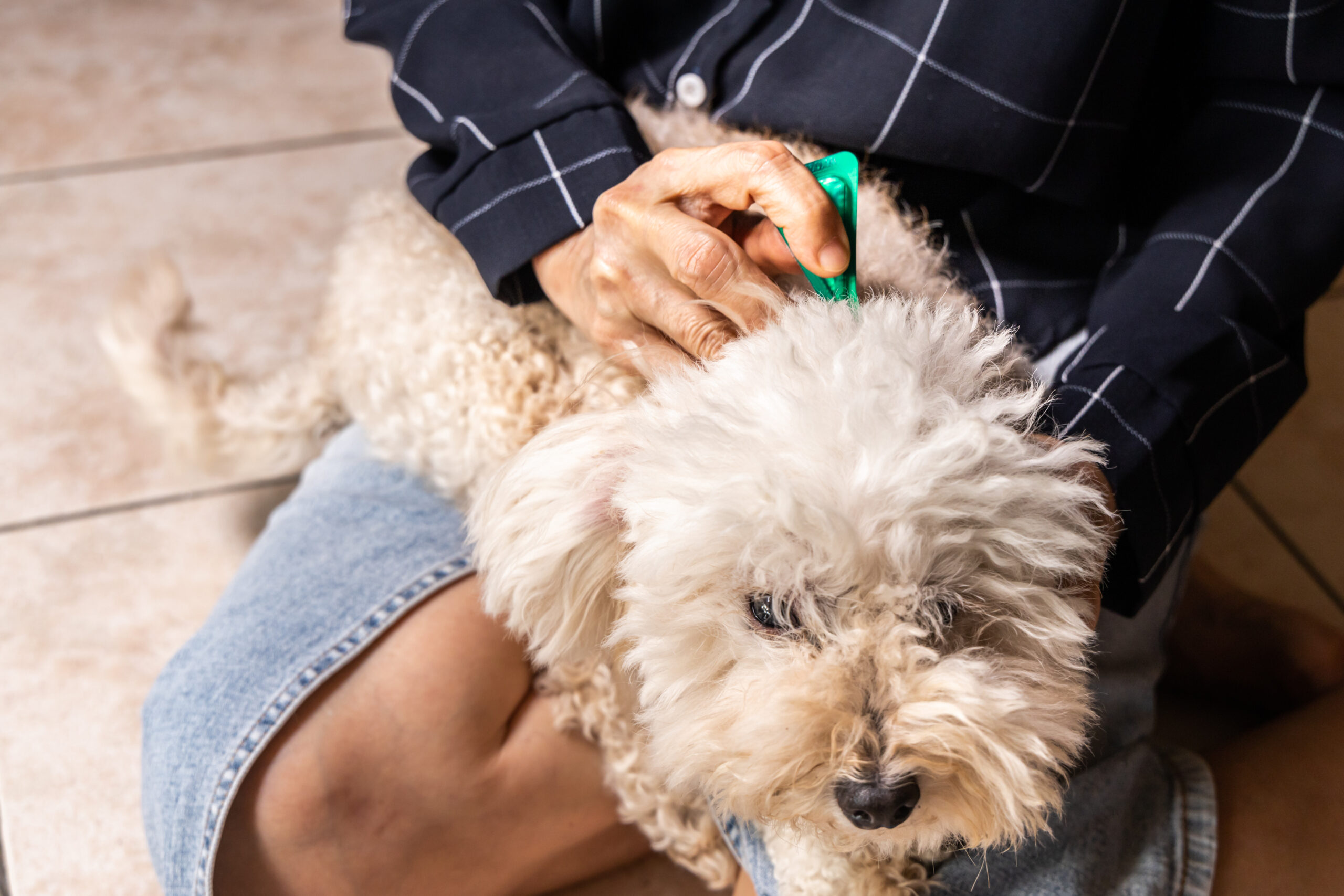
Your doxie should see their veterinarian annually for a wellness checkup to stay up to date on vaccines, flea and tick preventatives, and heartworm prevention and testing. Wellness checkups are also a good time for early intervention of health problems like obesity, allergies, and orthopedic issues.
Why We Love Doxies
With their high-energy, spirited temperament and irresistible charm, the doxie is a classic family dog and a fiercely loyal best friend. Whether you’re hoping to adopt a miniature or a standard, you can find a reputable breeder who has conducted health checks to produce healthy pups with that famous, indomitable doxie spirit.
You can check the AKC Breeder Registry to find a Dachshund breeder near you. The Dachshund Club of America and breed-specific Dachshund rescues can also be excellent resources for finding a Dachshund in need of a loving home.
Every pet deserves to live a long, happy, healthy life.