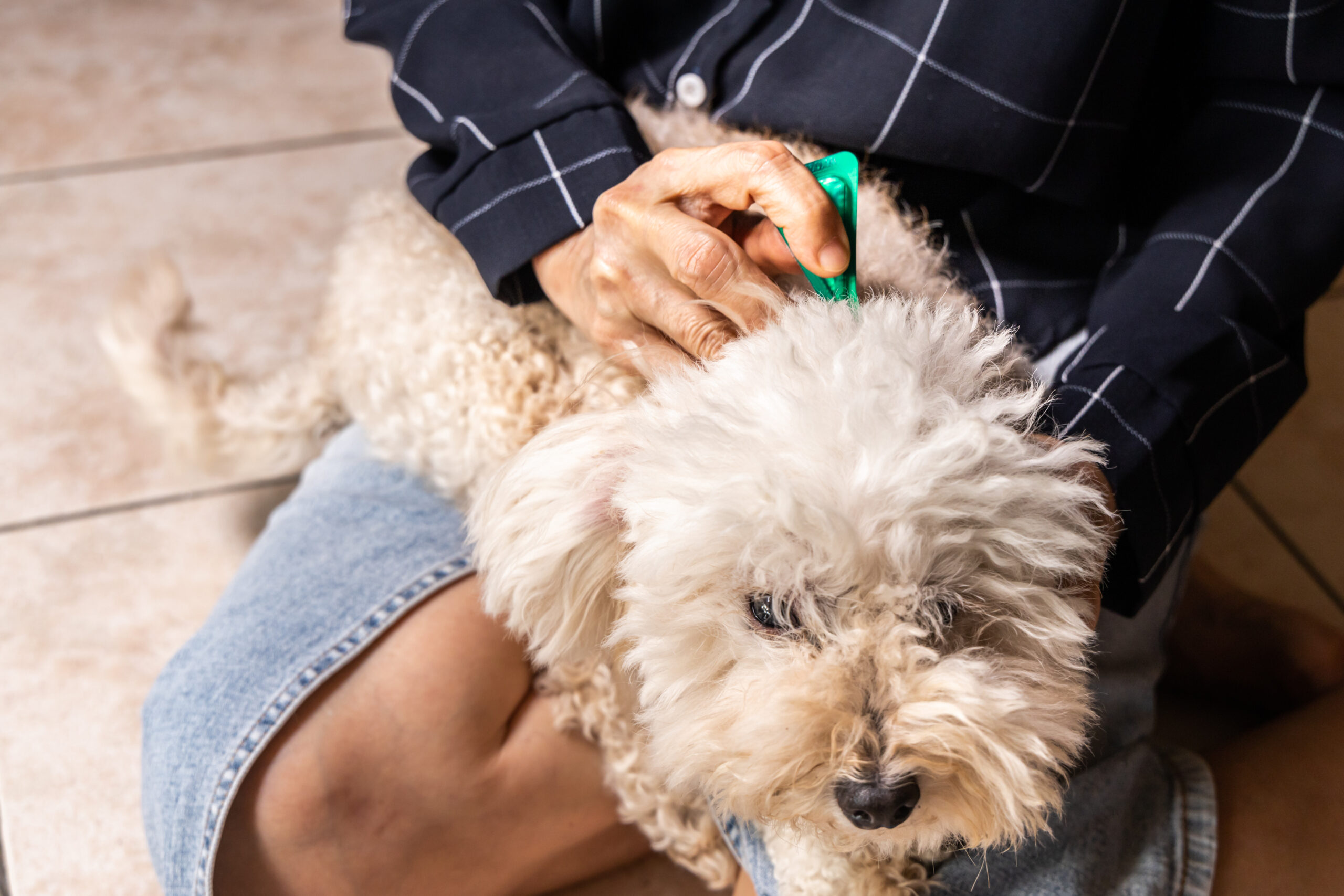

Just like people, dogs and cats can experience uncomfortably dry skin in the winter. Learn how to spot dry winter skin, when it could be another skin issue, and what you can do to help your pet’s skin stay healthy and itch-free.
Why Do Some Pets Get Dry, Itchy Skin in the Winter?
The stratum corneum, or moisture barrier, is the topmost layer of your pet’s skin. It is composed of dead skin cells and lipids (fats, waxes, and oils) that help prevent the skin from drying out. Exposure to cold air, which holds little moisture, draws water out of the skin even with a healthy skin barrier. When your pet is indoors, they are likely exposed to forced-air or central heating, which can create low-humidity conditions that draw moisture from their skin. That is why even pets that spend little or no time out in the cold can still experience dry skin in the winter.
How to Treat Dry Winter Skin in Pets
Often, you can treat a simple case of dry winter skin at home. Consider these approaches:
- Add healthy fats to your pet’s diet. Omega-3 fatty acids can promote lipid production in the skin’s barrier and help retain moisture.
- Avoid frequent bathing. Bathe your pet no more than one to two times monthly to avoid stripping the skin’s moisture barrier.
- Use moisturizing pet shampoo and conditioner. Only use pet-formulated shampoos and conditioners, as human shampoos are often too harsh and acidic for your pet’s skin.
- Apply leave-on conditioners and skin relief products. Your pet should experience near-instant relief with a topical moisturizing cream or spray indicated for dry skin. Browse skin care and coat health products to find the right option for you.
- Identify and avoid allergens. Food intolerances and environmental allergies can cause inflammation that makes skin more sensitive to the cold. Be mindful of blankets, bedding, and sweaters that could cause a contact allergy.
When It May Not Be Dry Winter Skin
While it is common for pets to experience changes in their skin as the seasons change, poor skin health can occur in any season and may not be directly related to cold weather. If it is just dry winter skin, your pet should look and feel better right away with a topical treatment and should improve within a week or two with other changes. If your pet’s dry skin worsens or does not improve, or if you notice other symptoms such as redness, rash, bumps, oozing, swelling, hair loss, or general unwellness, see your veterinarian as soon as possible. Poor skin health can sometimes indicate an underlying health issue such as an endocrine disorder, diabetes, poor nutrition, or internal parasites.
Can Pets Get Fleas in the Winter?
It is not uncommon for pet parents to stop using flea and tick preventatives in the winter, based on the misconception that parasites cannot affect pets when it is cold out. Fleas can remain active in temperatures above 45 degrees Fahrenheit. What is more, adult fleas, eggs, pupae, and larvae can hide from the cold on indoor surfaces like carpets and baseboards, and can often survive for months between blood meals. Keep your pet on a flea and tick preventative year-round to ensure pests never get a chance to hitch a ride inside your home.