Most pets can benefit from physical therapy at some point in their lives, whether they experience a musculoskeletal injury or develop arthritis. Athletic pets can even benefit from preventative therapy to help them avoid injuries. Physical therapy for pets can help relieve pain and improve mobility, lessening your pet’s need for conventional painkillers, and can even help reduce healthcare costs.
What Is Physical Therapy for Pets?
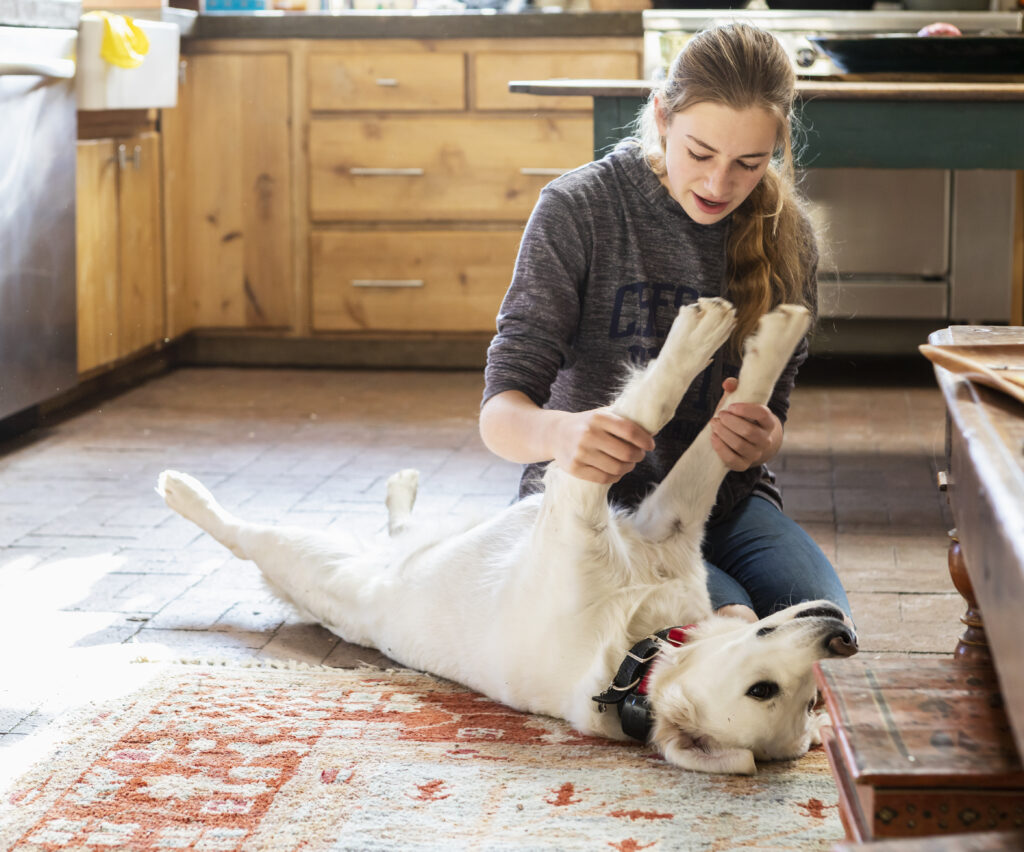
When you picture physical therapy for cats or dogs, you might bring to mind a therapist gently stretching a painful joint or massaging a sore muscle. Physical therapy does sometimes involve passive range of motion (PROM) or joint mobilization, and can also involve massage, but there are many other ways therapists work with pets.
What to Expect at Your First Visit
At your first visit, the physical therapist will review any medical records from your referring veterinarian and discuss your pet’s treatment goals. They will then conduct a physical examination of your pet, making note of any muscle tension, spasms, low muscle mass, weakness, or signs of pain.
Your pet’s individualized treatment plan can consist of in-office treatments such as:
- TENS unit therapy
- Neuromuscular stimulation
- Heat or cold packs
- Cold laser therapy
- Therapeutic exercises, including hydrotherapy
Some physical therapists are also trained in acupuncture. You may additionally receive take-home instructions for therapeutic exercises and massages to perform between appointments.
Does Physical Therapy Really Work?
Animal physical therapists use a variety of techniques to evaluate and treat your pet. Techniques like hydrotherapy, massage, exercise, and stretching have been shown in numerous research studies to help both humans and animals gain flexibility, rebuild muscle tone, and reduce pain after surgery or injuries.
Physical therapy for pets is best used in conjunction with:
- Regular follow-ups with your veterinarian
- Conventional medications as prescribed by your vet
- Careful weight management
- A healthy diet with joint supplements that support healthy joints, such as Glyco-Flex
How to Find a Veterinary Physical Therapist
Some certified animal physical therapists have a veterinary background, while others were first trained in physical therapy for humans. Normally, you would see your regular veterinarian first for a diagnosis and a referral. If you prefer not to get a referral, you can look for an animal physical therapist through the American Association of Rehabilitation Veterinarians or the Canine Rehabilitation Institute.
If you have pet insurance, you can call your provider to find out whether there are any physical therapy professionals in your network and what services are covered. You may also want to explore dog pain relief options to use alongside physical therapy as part of a comprehensive care plan.