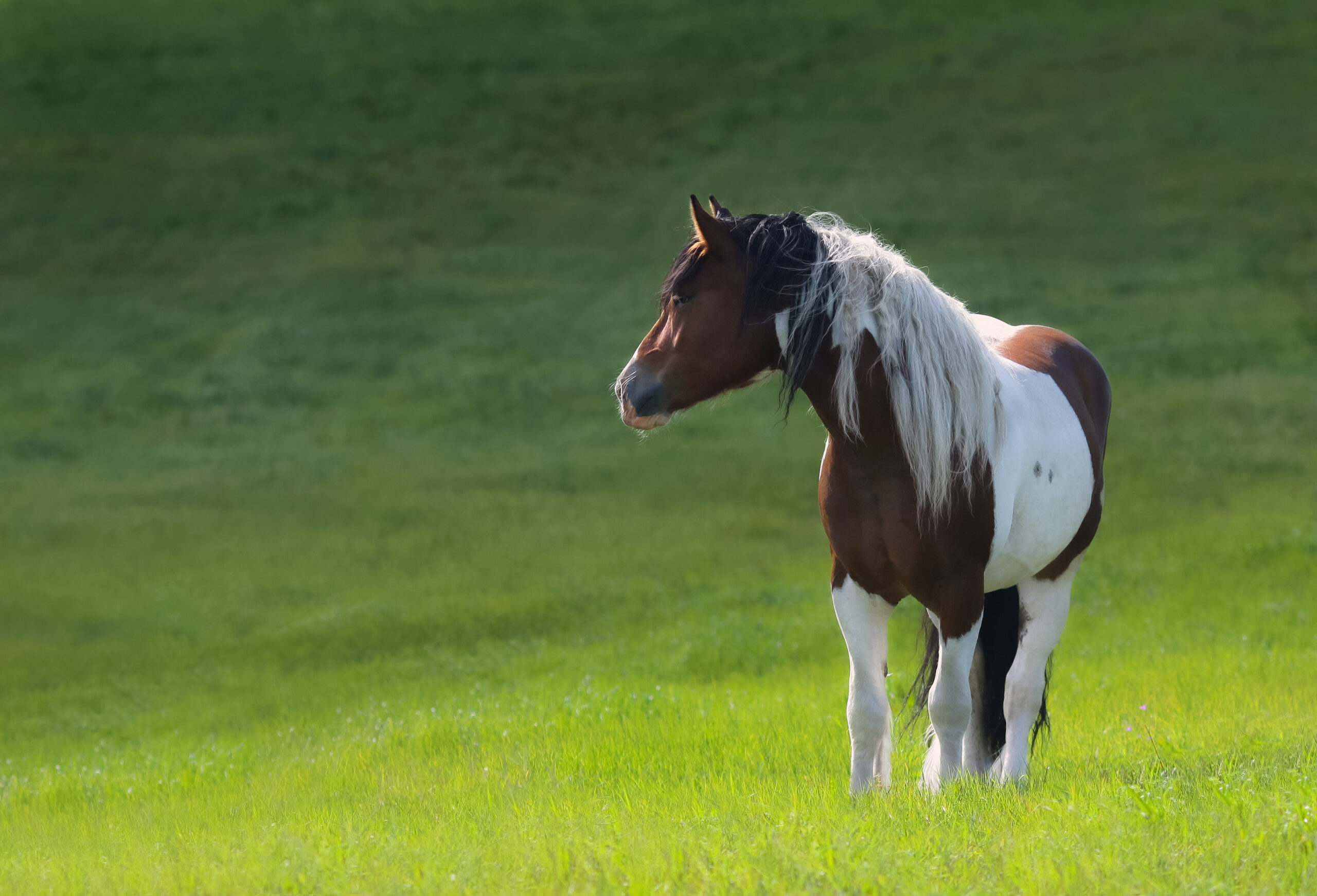
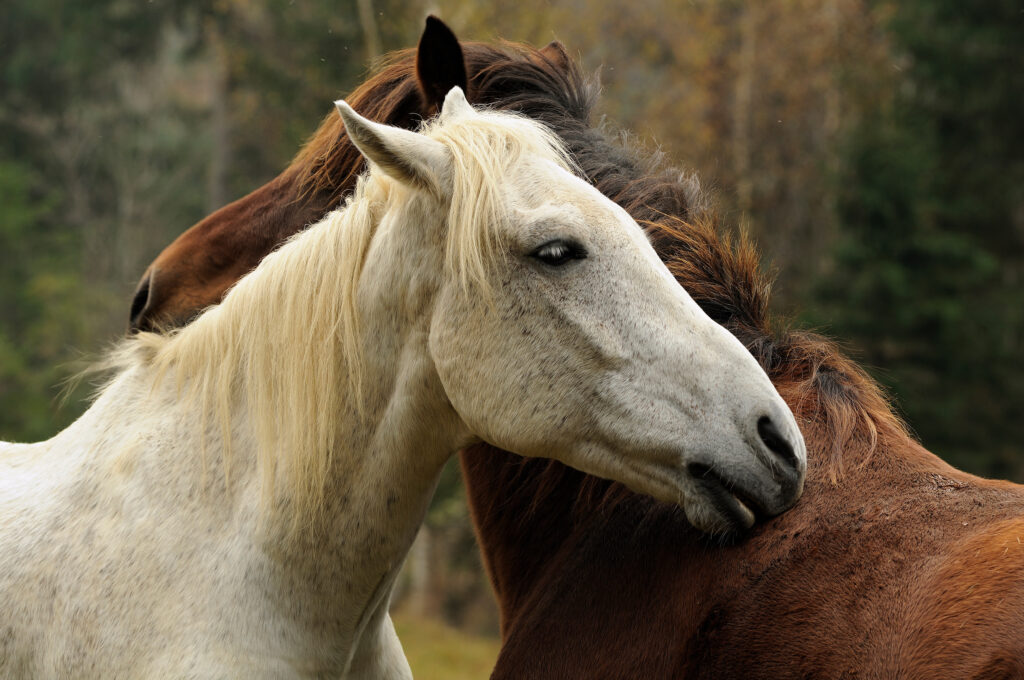
Dealing with health issues is an inevitable part of owning a horse. Understanding the most common diseases in horses can help prepare you for issues your horse may face in the future. You can also take preventative measures to help your horse stay healthy for as long as possible.
As for the most common disease in horses, the answer is not cut and dry. Statistics can be contradictory and inconclusive. Not all illnesses in horses are reported, especially if they are mild and do not require treatment.
Is Colic the Most Common Disease in Horses?
The percentage of horses that experience colic at least once in their lifetime varies from source to source but averages out at about 10 percent. However, the majority of cases of colic clear up with little to no treatment, so incidences may be underreported. What’s more, colic is not actually a disease — it is a term that describes stomach pain that can be caused by excessive gas or obstruction.
Even so, we need to watch out for colic because it is generally considered the number one killer of horses, regardless of the underlying cause. Unlike ruminants like cattle that have a multi-chambered stomach, a horse has a simple stomach like a human. Horses depend on their hindgut to digest fibrous hays and grasses, and difficulties with digestion can easily lead to an obstruction.
How to Prevent Colic in Horses
Supporting your horse’s digestive health is one of the most important things you can do to reduce the risk of colic. To help prevent colic:
- Deworm regularly
- Keep your horse hydrated with unlimited access to fresh water
- Change feeds gradually and only when necessary
- Monitor your horse’s gut sounds
Other Common Diseases in Horses
Equine Herpesvirus (EHV)
Equine Herpesvirus (EHV) is another strong contender for the most common disease in horses, with latent infections affecting up to 80% of all horses. While most horses are asymptomatic, the virus can cause respiratory issues in young horses and performance horses, can cause spontaneous abortion in pregnant mares, and is sometimes fatal. Neurological symptoms can also occur in some cases.
Asymptomatic carriers may shed the virus and spread it to others, particularly in times of stress. That is why it is always important to take biosecurity measures when traveling with your horse and when introducing a new horse to your stable, even when no symptoms are present. You can also have your horse vaccinated against some strains of EHV. Browse horse pharmacy products to learn more about available vaccines and medications.
Upper Respiratory Tract Infections
Horses are also prone to upper respiratory tract infections (URI) caused by bacteria and viruses such as rhinovirus and equine influenza virus. Infections are usually mild and resolve with little to no treatment, but the symptoms are commonly confused with those of other conditions like Recurrent Airway Obstruction (RAO, also known as heaves) and Inflammatory Airway Disease (IAD).
Any time your horse is showing signs of illness or has been around a sick horse, monitor their temperature and take note of any discharge from their eyes and nose. Make sure they are isolated from other horses, and give your veterinarian a call to help you decide if they need treatment. If antibiotics or other medications are prescribed, you can find horse antibiotics and pharmacy products to support your horse’s recovery.