If you are lucky, your horse will make it to their twenties and beyond. Many horses experience dental issues while they are young due to infection, trauma, congenital abnormalities, and uneven wear. By the time your horse is a senior, though, their teeth will stop growing, and they are almost certain to experience dental pain at some point. Learn about ten signs of dental issues in horses that often go unnoticed and what your horse’s symptoms may be telling you.
Regular dental care and good nutrition play a major role in maintaining equine health. Many owners also support overall wellness through proper feeding, parasite prevention, and routine veterinary care using products found in the horse supplies category at 1800PetMeds.
Quidding
Quidding occurs when your horse drops quids, or balls of half-chewed hay and saliva. This happens when dental issues make chewing painful, so the horse rolls the food around in their mouth but fails to finish chewing and swallowing.
This behavior is often seen in senior horses that struggle with chewing because their teeth have worn down, but it can also occur in younger horses with an infection or tooth fracture.
Excessive Drooling
Drooling excessively, especially with some bleeding, is a sign that pain or irritation is occurring inside the mouth. Many issues can cause drooling, including:
- Misaligned teeth
- Oral ulcers caused by teeth with sharp, uneven points
- Periodontal disease
In some cases, oral discomfort may also affect how well a horse eats or maintains body condition, making supportive nutrition and products such as those found in the horse vitamins and supplements category helpful for maintaining overall health.
Facial Swelling
Facial swelling may indicate a dental abscess, which is a pocket of pus caused by a bacterial infection that forms around the root of an infected tooth.
Sometimes horses with dental issues may collect half-chewed food in their cheek, which can also cause a visible lump that can be mistaken for facial swelling.
Unchewed Food in Manure
Unchewed food in manure indicates that your horse is reluctant to chew their food thoroughly before swallowing. Inability to chew properly can also lead to digestive issues such as:
- Colic
- Choke
- Gut blockages
Maintaining digestive health is important for horses experiencing feeding problems. Many owners support digestive wellness using products available in the horse digestive supplements category.
Unexplained Weight Loss
Unexplained weight loss can occur when dental pain prevents your horse from eating normally. You might also notice signs of poor nutrition, such as a dull coat and slow hoof growth.
Tooth Sensitivity
Tooth sensitivity can sometimes show up as a refusal to drink cold water or hesitation when eating certain foods.
Nasal Discharge
Nasal discharge can occur when a dental infection spreads to the sinuses. In these cases, discharge may come from one nostril and may have an unpleasant odor.
Bad Breath
Bad breath may be caused by tooth decay or gum disease. A healthy horse’s mouth may smell like grass or hay, but it should not smell rotten or overly sweet.
Gastric issues and respiratory infections can also contribute to foul breath, so persistent odor should always be evaluated by a veterinarian.
Changes in Mood or Behavior
Changes in mood or behavior, including irritability or aggression, are often associated with pain. This is especially noticeable in horses that normally have a calm temperament.
Difficulty With Riding
Struggling during riding can occur when it is painful for the horse to take the bit or accept their halter. During a ride, they may tilt or toss their head, and changes in head position can lead to unusual gait or posture.
When to Contact Your Veterinarian
While these signs can indicate a dental issue, they may also be caused by other health problems, such as colic or laminitis. Any time something seems unusual, stop riding and contact your veterinarian.
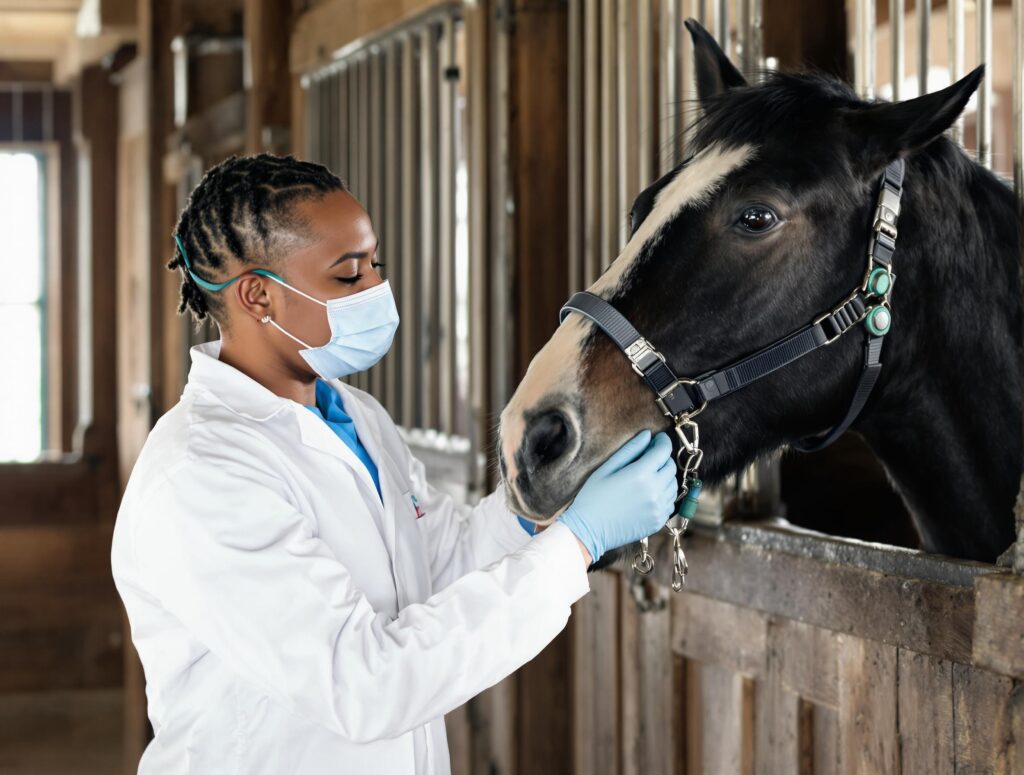
If your horse allows it, you may examine their mouth for obvious problems. However, many dental conditions are only detectable after the horse has been sedated and examined with proper equipment, such as dental radiographs.
Even if your horse is not showing symptoms, routine dental exams and floating once or twice each year, as recommended by your veterinarian, are essential for maintaining long-term health.