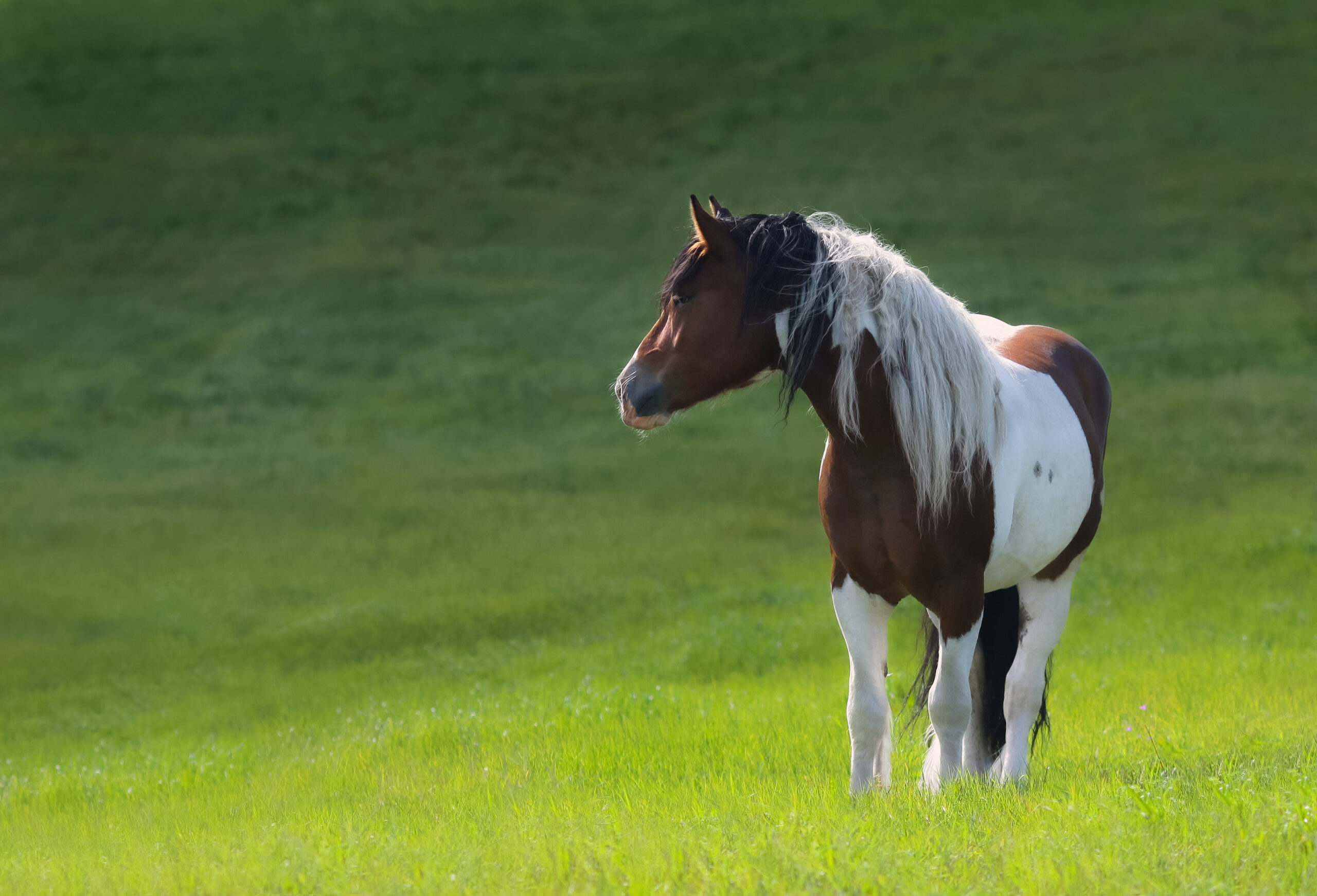
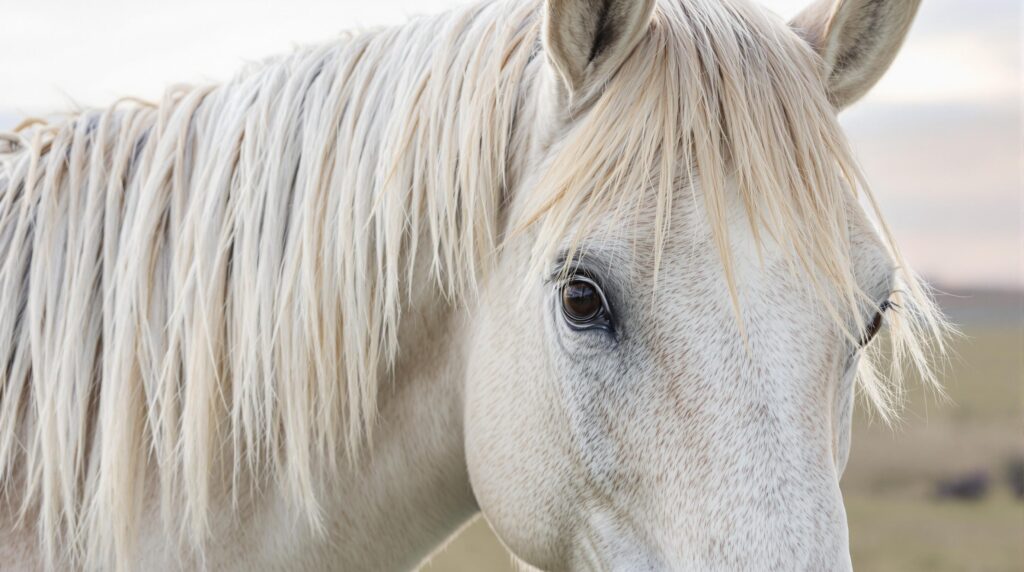
Grooming your horse is not only essential to keeping their coat healthy and fostering a strong bond, it is also a great opportunity to check for common health issues. Here are some of the most important things to check for when grooming your horse.
Start With Healthy Hooves
Before you begin your grooming routine, take a look at each of your horse’s hooves and pick out any impacted mud or stones. It is normal to see superficial cracks, usually a result of changes in humidity in your horse’s environment. Deep cracks and abscesses can cause lameness, but they may not always be obvious until you take a closer look at your horse’s hooves.
Also, take notice of any bleeding, pus, radiating heat, swelling, or tenderness, all of which indicate that your horse needs immediate treatment. Keeping hooves clean and dry and using quality hoof care products can help support overall hoof health. Explore hoof care solutions at 1800petmeds.
Look For Lumps And Bumps On Horses
As you brush your horse, run your hands over their body to help you feel for new or unidentified lumps and bumps.
Bumps from trauma, whether from a kick from another horse or a run-in with a fence post, may appear as a lump, a blood-filled hematoma, or a fluid-filled seroma. For most bumps, you can use an ice bath or ice pack at the affected site to reduce swelling and promote healing.
Fluid or blood-filled lumps are usually reabsorbed by the horse’s body, but sometimes need to be drained by a veterinarian and typically heal on their own after draining.
Tumors and growths may be cancerous or benign. Since different types of growths can look similar in appearance, you should have your veterinarian examine and possibly remove or biopsy any suspicious lumps.
Watch Out For Soft Tissue Injuries
Horses evolved as prey animals, and in the wild, they must hide signs of pain or vulnerability to ensure their survival. Because of this, you might not notice a sprain or strain until you get up close during grooming.
Swollen areas, particularly on the limbs, and radiating heat are signs that your horse may have a ligament or tendon injury. Your horse may also recoil as you touch an injured limb.
Soft tissue injuries should always be taken seriously, even if the horse does not seem to be in severe pain. Continued physical activity can lead to permanent damage. Work with your veterinarian to create a recovery plan that may include stable rest, anti-inflammatory medications, and careful monitoring. Joint and mobility support products may also help support long-term joint health.
Check For Common Skin Issues
When grooming your horse, you may notice skin conditions such as dryness, dandruff, or hair loss. These conditions may sometimes be caused by changes in humidity, but they can also indicate overbathing, poor nutrition, a fungal infection, or parasites.
Signs to watch for include:
- Flaky or scaly skin
- Patchy hair loss
- Persistent itching or rubbing
- Redness or irritation
An over-the-counter medicated shampoo can help manage itching and other symptoms while you await guidance from your veterinarian. You can explore skin and coat care products at 1800petmeds.com.
Regular grooming not only keeps your horse looking their best but also allows you to catch small problems before they turn into serious health concerns.