
What Pet Owners Need To Know About Cat Eye Infections

Key Takeaways It’s common for cats to develop mild eye issues, especially during things like upper respiratory infections. In fact, eye discharge or redness is often one of the first things you’ll notice when something’s off. The good news is that most cat eye infections are manageable, especially when you spot the signs early. Paying […]
What Pet Owners Need to Know About Amoxicillin for Dogs

Key takeaways: When your dog is not acting like their usual self, it can be worrying. You might notice changes such as sleeping more, eating less, or dealing with a skin issue. Naturally, these shifts lead to questions and concerns. If your vet recommends amoxicillin, it is helpful to know what it does, when it […]
Dog Eye Infection Symptoms: How to Spot and Manage Them

Key Takeaways Spotting early symptoms of eye infections can lead to fast and effective treatment for your dog. Some dog breeds are more likely to develop eye infections due to their facial features or tear production. If symptoms are severe or do not get better within 24–48 hours, your veterinarian is the best person to […]
Tips for Preventing the Spread of Equine Diseases
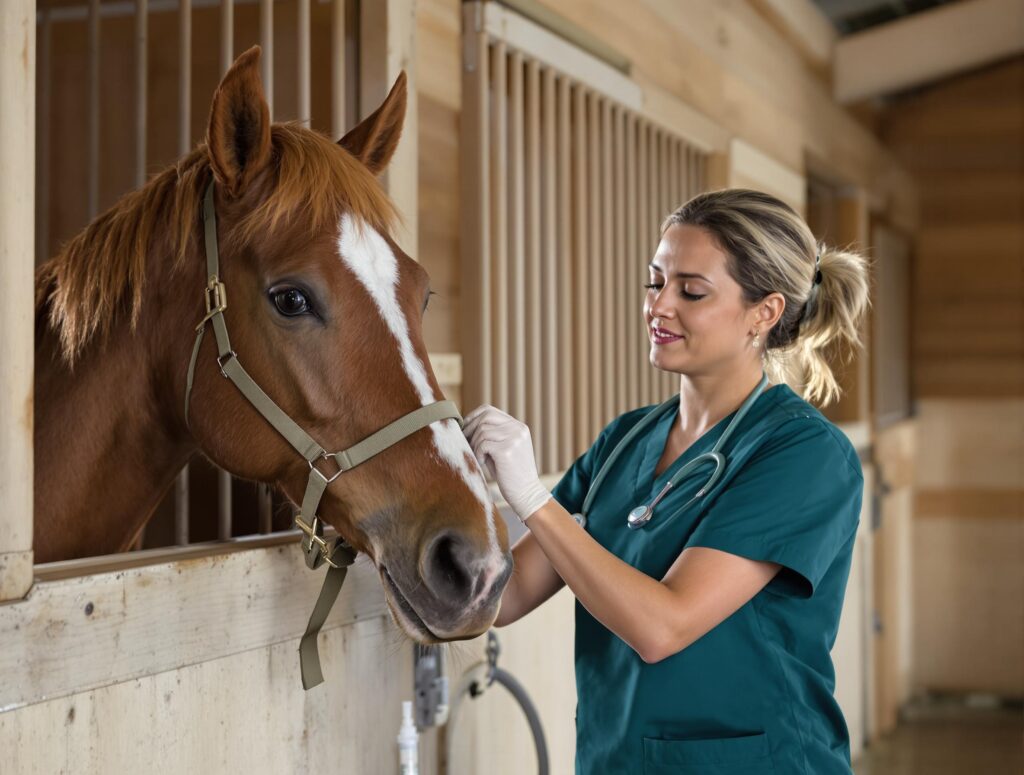
For an athletic horse, an infection can mean a devastating interruption at the peak of their career. For older horses, an infection can develop into a severe illness or even become life-threatening. With practical biosecurity measures, you can protect your horses against the spread of infectious diseases and support long-term equine health. Whether your horses […]
What Are The First Signs Of Strangles In Horses?
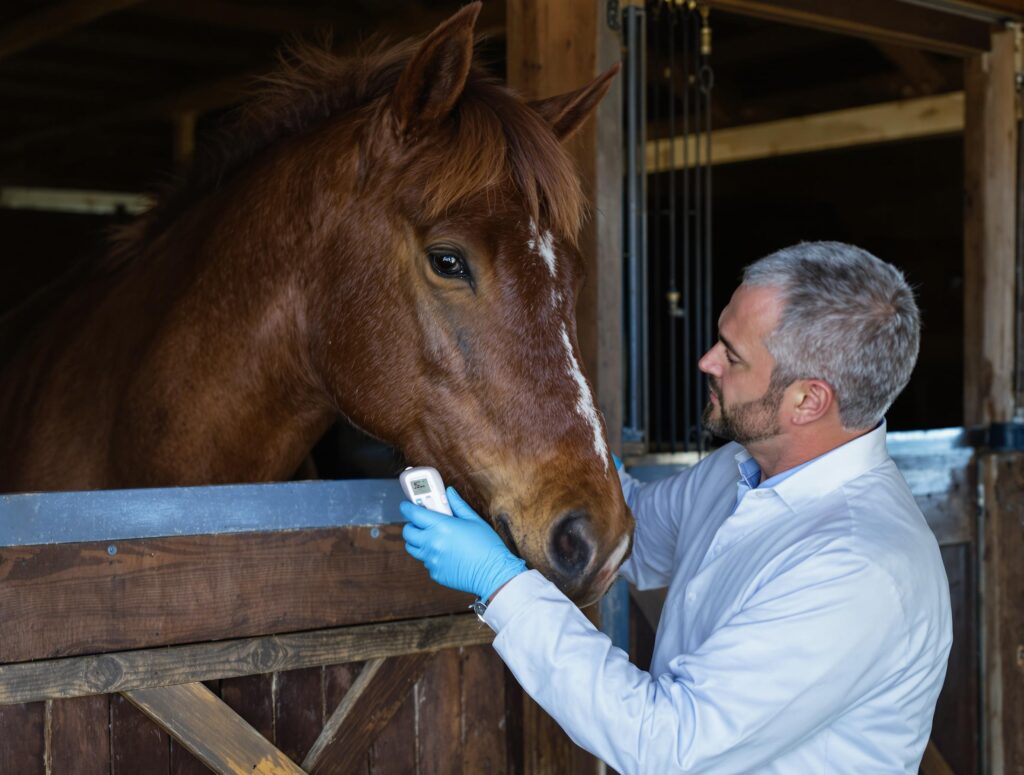
Has your horse been in contact with a horse with strangles? This highly contagious bacterial infection spreads through airborne droplets when an infected horse snorts or sneezes, through direct nose-to-nose contact, or by sharing equipment such as buckets, tack, and grooming tools. It can take an average of two weeks for symptoms to develop in […]
Antibiotic Treatments for Dogs & Puppies

Several kinds of microorganisms can lead to infection in your dog’s body. They include bacterium, viruses, fungi, and protozoa. The kind of antibiotic medication used to treat your dog will be prescribed by your veterinarian only after diagnosing the infection and determining which type of organism is to blame. The antibiotic you should use to […]
How to Treat Your Dog’s Bacterial Skin Infection

Bacterial skin infections in dogs often result from an underlying immune disorder. The most common predisposing causes include allergies (inhalant/contact, food, and/or flea bite). Hormonal conditions such as hypothyroidism or Cushing’s Disease of the adrenal gland, and diseases such as liver disease, kidney disease, and even cancer may predispose many dogs to bacterial skin infections. […]
Rocky Mountain Spotted Fever in Dogs

What is Rocky Mountain spotted fever? Rocky Mountain spotted fever is a tick-borne disease that has been seen in increasing numbers in recent years, as veterinarians are doing more and more testing for tick-borne diseases. There are several species of ticks that may be involved, but the American Dog tick is the most common one […]
Do Cats Go Through Cold and Flu Season? About Winter URIs in Cats

Winter brings cold and flu season, not just for people, but our four-legged family members too. Cats are prone to upper respiratory infections, or URIs, which affect the nose and throat, sometimes accompanied by eye irritation and discharge. Like the common cold, URIs in cats are usually not serious, but they can leave your kitty […]
Feline Immunodeficiency Virus (FIV)

Feline immunodeficiency virus (FIV) is one of the most common health conditions that affect domestic cats, with an estimated 2.5 to 4.4% of cats worldwide testing positive for the virus. Similar to HIV in humans, FIV is widely misunderstood. Learn how FIV affects cats, complications and potential outcomes for FIV-positive cats, and what you can […]
6 Subtle Signs That Your Cat May Have an Illness

With February being National Cat Health Month, this is an excellent time to ensure that our feline companions are healthy and well. In addition to annual wellness examinations and vaccination updates, it is important to have cats evaluated for chronic disease at least once yearly. As I have explained to clients over three decades of […]
Prevent Infection in Cats with Diabetes

When your pet has diabetes, it can become harder for their body to fight off infection-causing fungi and bacteria. Infections can in turn make their diabetes harder to manage. In honor of Diabetes Awareness Month, learn why pets with diabetes become more susceptible to infections and how to mitigate their risk of complications. How Diabetes […]
Remedies to Treat Dog Skin Infections

Bacterial infections in pets often develop in skin that has been traumatized and irritated by excessive rubbing, chewing, and itching. Pyoderma is therefore a frequent complication of skin diseases. Pyoderma literally means “pus in the skin” and can result from infectious, inflammatory, and/or cancerous causes. Inflamed pus-filled swellings may develop on the skin, and in […]
Treat and Prevent Dog Ear Infections

Clean your pet’s ears regularly Ear infections in pets are frequently caused by allergies or trapped moisture in the ears, which can lead to bacteria and yeast buildup. Although some pets may be prone to ear infections more often than others, most ear infections can be prevented with regular ear cleaning. To help keep your […]
Which Antibiotics Can Dogs Take?

There are four types of microorganisms that can cause infection in or on your pet’s body. These tiny microbials include bacterium, viruses, fungi, and protozoa. Your veterinarian typically determines what type of pet antibiotic medication to prescribe only after making a diagnosis and determining what type of organism is causing the problem. The pet antibiotic […]