
Canine Cognitive Dysfunction: Symptoms, Treatment, And Support

Canine cognitive dysfunction (CCD) is a condition in senior dogs that’s very similar to Alzheimer’s disease in humans. Though it’s been reported in studies to affect about 28% of dogs aged 11-12 years old, and approximately 68% of dogs over age 15, veterinarians suspect that the condition usually goes undiagnosed. Symptoms of CCD are often […]
Preventing and Treating Canine Cognitive Dementia

There is nothing more difficult than seeing our canine companions age into their senior years. While there are natural consequences to aging, many dogs experience more intense senior symptoms that may be distressing or discouraging to animal guardians. Though it’s most common in terriers, canine cognitive dysfunction (CCD) also known as doggy dementia can occur […]
Understanding Feline Cognitive Dysfunction

In the United States, cats are living longer due to improvements in veterinary care, nutrition, and better routine care from their pet parents. With longer lives comes age-related complications like feline cognitive dysfunction (FCS). FCS is similar to Alzheimer’s disease in humans. By the time a cat is 15 years of age or older, there’s […]
Brain-Altering Parasite or Harmless Pest? What Cat Parents Should Know About Toxoplasmosis

For a tiny single-celled organism, toxoplasma has caused decades of hysteria. Is it really dangerous for people to scoop litter while pregnant – or even own a cat? Does this parasite really turn normal, sane people into “crazy cat ladies”? Spoiler alert: toxoplasmosis is no reason to be afraid of cats. It’s still important to […]
Addison’s Disease in Dogs
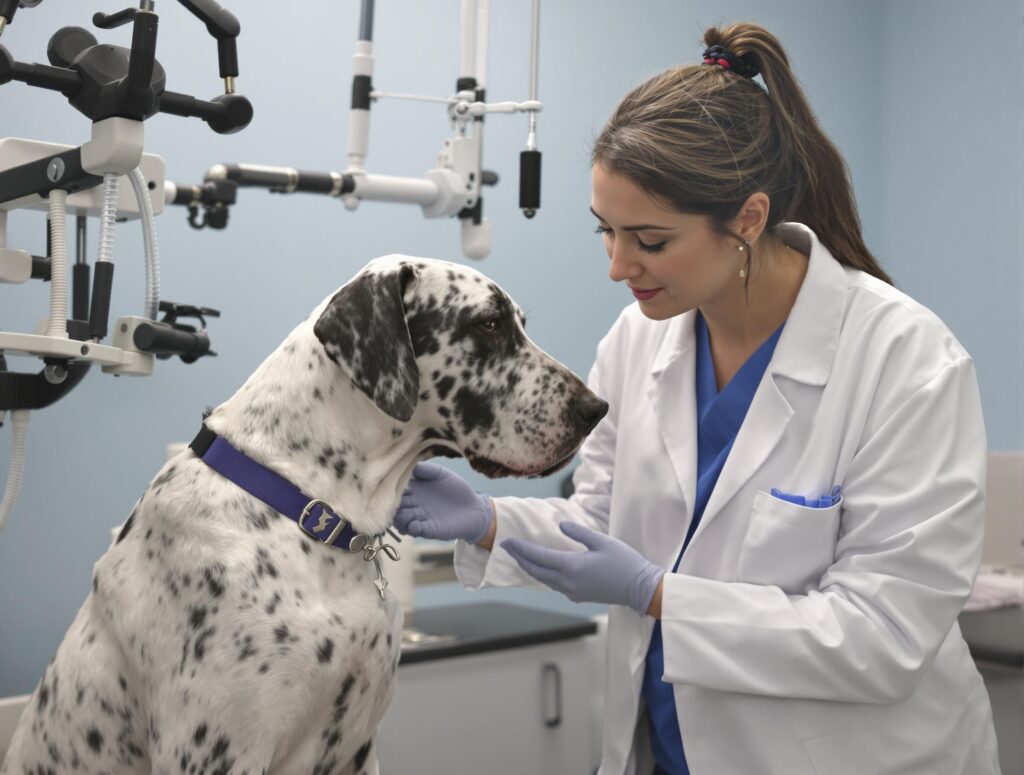
What is Addison’s disease? Addison’s Disease is a deficiency of cortisol (a glucocorticoid) and/or aldosterone (a mineralocorticoid). The deficiency can be caused by faulty brain (pituitary) signals to the adrenal glands or by faulty adrenal glands. Cortisol and aldosterone deficiencies cause the levels of sodium and potassium to be abnormal. Key facts about Addison’s disease […]
What Causes Seizures in Dogs?

Seizures in dogs and cats are abnormal brain activity. They can be very subtle or they can cause violent convulsions. Seizures occur when nerve cells (neurons) in the brain malfunction and become excited, firing without control. Most cat and dog seizures occur at night or when they are resting. Seizures can occur once and never […]
Seizure (Epilepsy) Symptoms in Cats
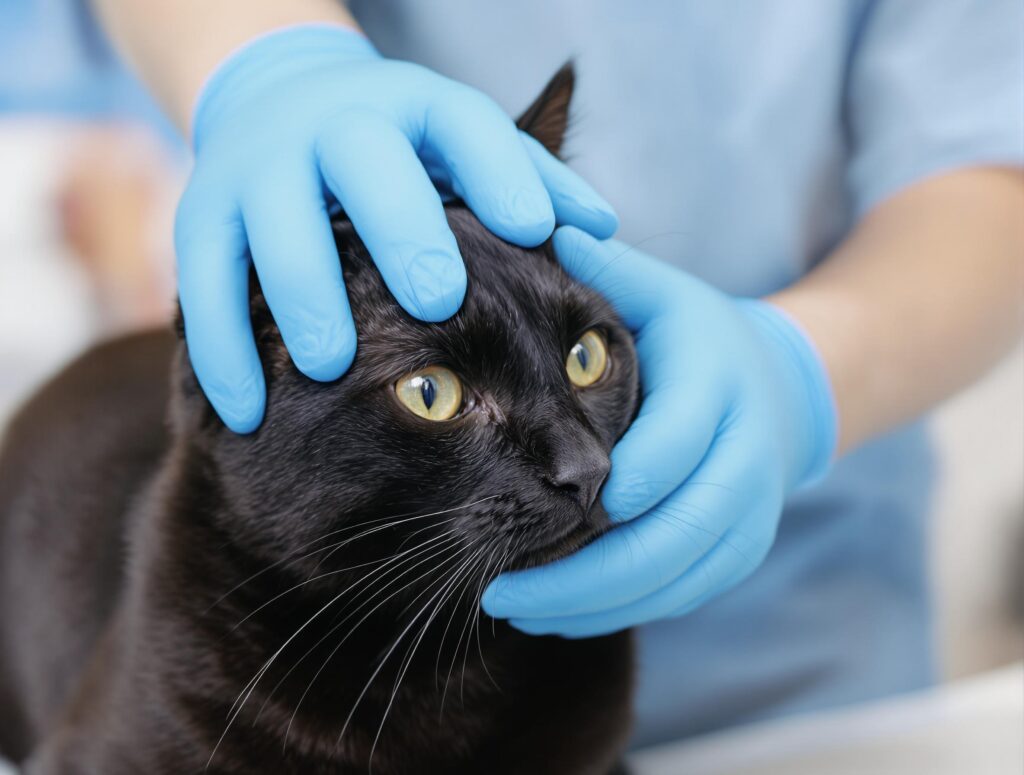
Symptoms of seizures in dogs and cats The signs and symptoms of dog and cat seizures vary markedly. Although it’s easy to recognize convulsive grand mal seizures, many do not recognize the signs of petit mal seizures. Signs can also be missed because many seizures occur while pets are resting or sleeping. Grand mal seizures: […]
Symptoms of Addison’s Disease in Dogs

Which symptoms of Addison’s disease are most common? Pets with Addison’s Disease show a variety of vague symptoms that come and go. Many are weak and lethargic. They vomit and have diarrhea. Their hair falls out and they lose weight. Their heart beats more slowly than normal. Some dogs drink excessively and urinate excessively (PUPD). […]