
8 Signs of Anal Gland Issues in Dogs
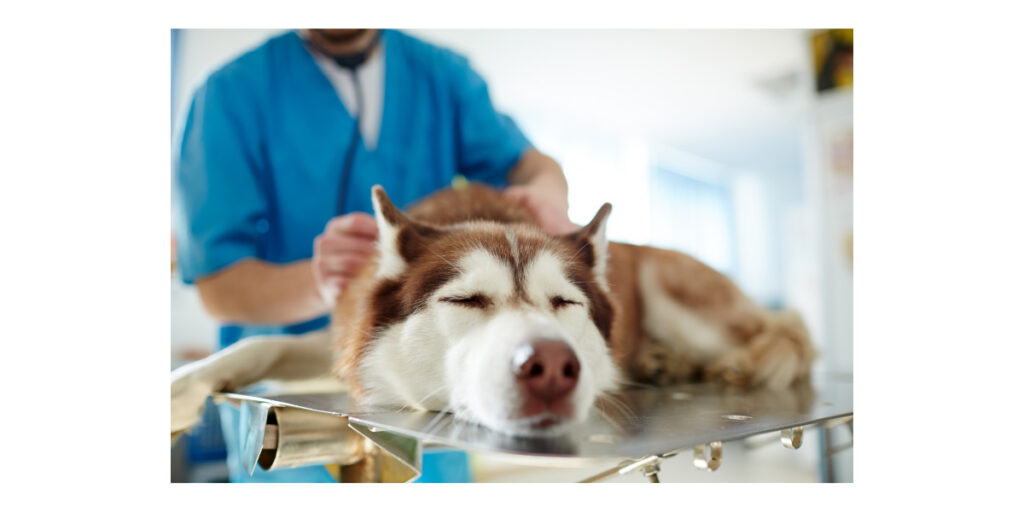
Most dog parents have caught a whiff of their dog’s anal glands at some point. The pair of small sacs, located to the right and left of the underside of the tail, release a brownish, oily fluid that’s surprisingly potent and horrifyingly stinky. It’s normal for them to occasionally go off, but if you’re concerned […]
Which Mushrooms Are Toxic To Dogs?
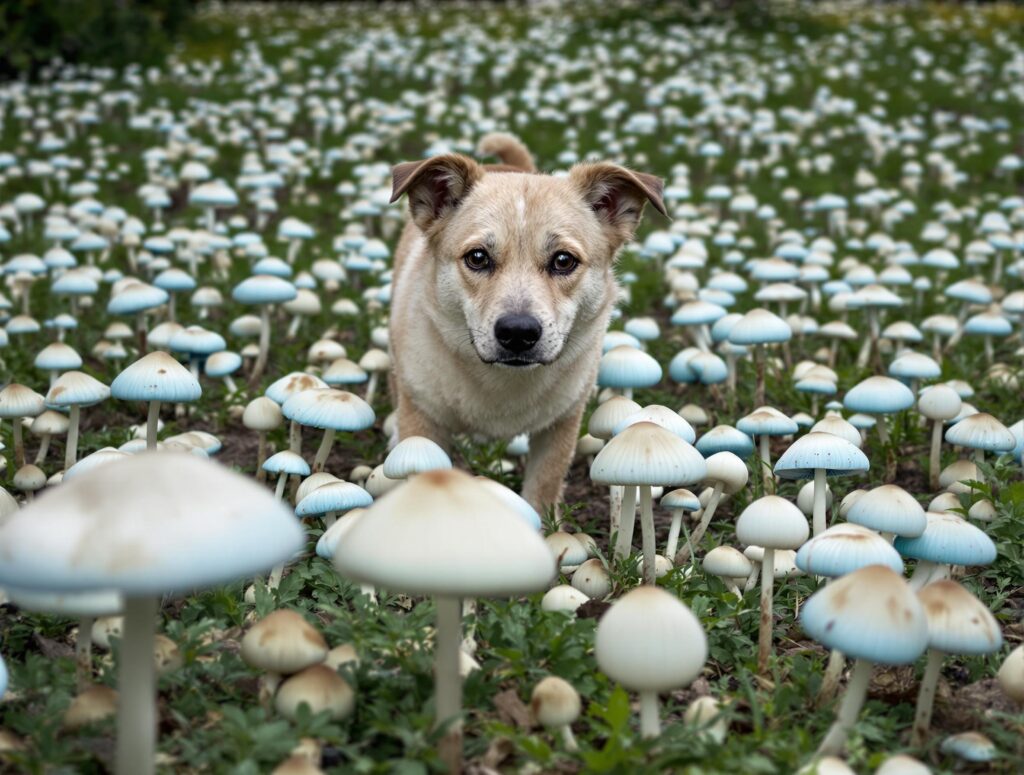
After a few days of heavy rain, mushrooms have popped up all over your backyard. If you have a dog who eats everything, tender mushroom caps may be impossible for them to resist. While many are harmless, some species of mushroom are highly toxic to dogs. Keep these tips in mind when letting your dog […]
Dog-Friendly Spring Cleaning: 7 Tips To Avoid Toxicity in Dogs

With springtime in full swing, many of us are feeling the urge to freshen up our living spaces. After we put away winter clothes and get rid of clutter, it’s time to break out all things lemon-scented and flower-fresh. But as pet parents, we have to take extra steps to make sure our spring cleaning […]
Poisonous Plants for Cats
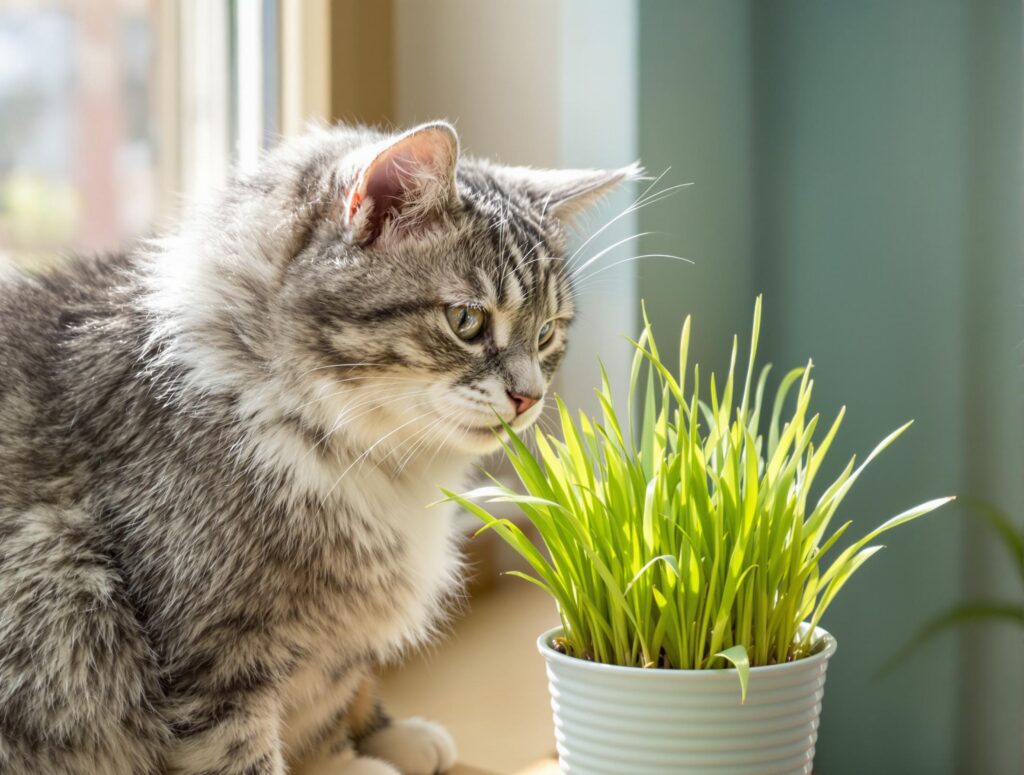
Plants Can Be Harmful to Your Pet. Chewing grass and green vegetation is normal for pets, but chewing the wrong vegetation can be fatal. About 25% of pets poisoned by non-drug products get sick from poisonous house plants and outdoor plants. Give your pets grasses, sprouts, green vegetables or treats so they leave poisonous plants […]
Is Your Kitten Getting Enough Omega-3s In Their Diet?
Many cat parents know that omega-3 fatty acids are beneficial to older cats. Omega-3 fatty acids are commonly known to help reduce inflammation in arthritic joints, protect heart health, and promote immunity in seniors. But did you know that kittens also benefit from a diet that’s balanced with omega-6 and omega-3 fatty acids? Healthy fats […]
Symptoms of Dogs With Anal Sac Problems (Scooting)

Scooting (rubbing bottom on floor or carpet) Tail chasing Chewing rear end Suddenly jumping up from resting position Swollen area around anus There are two ways to recognize anal sac problems in dogs—your dog’s behavior and the appearance of the anal area. Behaviors, such as scooting (rubbing bottom on the floor or carpet), chewing, and […]
Inflammatory Bowel Disease Symptoms in Dogs

What are the symptoms of inflammatory bowel disease in dogs and cats? Appetite changes Diarrhea Digestive upset Weight loss Vomiting Pets with Inflammatory Bowel Disease show a variety of symptoms from chronic changes in appetite (either decreased or increased in some cases), diarrhea, vomiting and weight loss. Weight loss can be quite severe resulting in […]
Symptoms of Dog Poisoning

The symptoms of a poisoned pet depend on the type of poison he or she is exposed to. Signs of illness may include the following: Vomiting Diarrhea Seizures Blood in the stool Lethargy Loss of appetite Bruising Nosebleeds Irregular heartbeat Inability to urinate Types of poisoning symptoms in dogs and cats Gastrointestinal poisoning symptoms Gastrointestinal […]
Treatment for Toxicity for Dogs

Toxicity in pets requires supportive treatment Some toxins have a specific antidote, but most do not. For example, the antidote for Tylenol (acetaminophen) toxicity is N-acetylcysteine. The antidotes for the heavy metals mercury and arsenic are dimercaprol (BAL) and D-penicillamine. Because many toxins do not have specific antidotes, the treatment is considered “supportive.” Supportive treatments […]
Shamrock Plant Toxicity In Cats
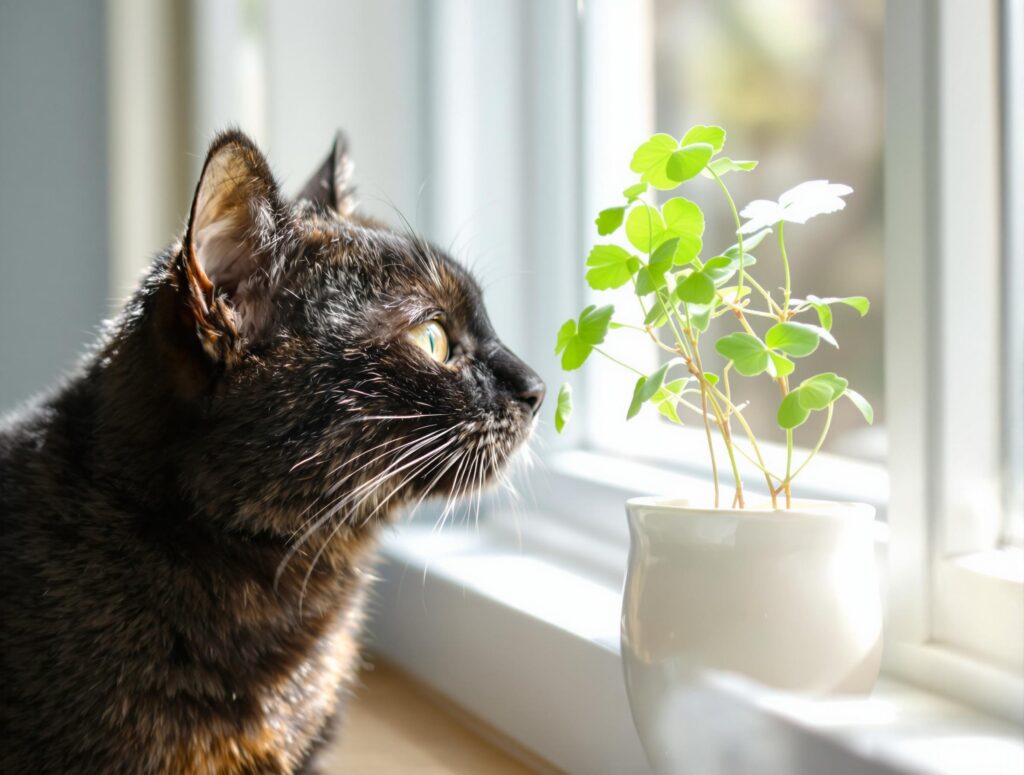
Shamrock plants are typically sold close to St. Patrick’s Day as a decoration or gift. Said to bring good luck, these green or purple three-leaved plants aren’t such a good luck charm for curious pets. If consumed, a shamrock plant (Oxalis regnellii), also known as wood sorrel, can poison your cat, dog, or horse. Not […]
Are Acorns Toxic to Dogs?
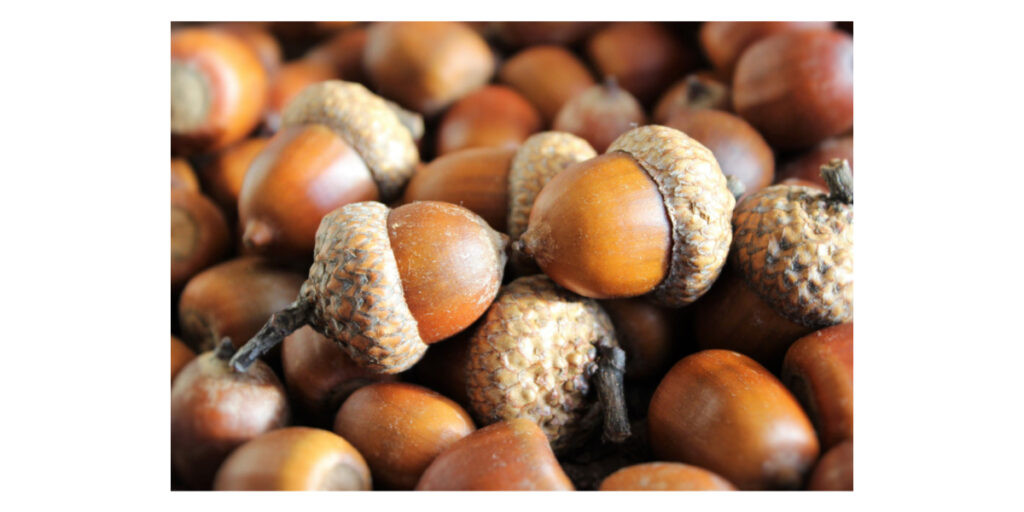
For those of us with dogs who love to eat anything and everything, falltime can be tough. With piles of leaf litter teeming with bugs, twigs, and other curiosities, there’s always something for our dogs to pick up. Acorns, too, are abundant at this time of year, and many dogs can’t resist grabbing a few […]
What To Do If Your Cat May Have Been Poisoned

In 2023, the ASPCA Animal Poison Control Center assisted over 400,000 cases of poisoning on dogs and cats. This figure doesn’t include countless thousands of pets treated through other means, like the Pet Poison Helpline, at vet clinics and at emergency vet hospitals. Pets can be accidentally poisoned after consuming toxic foods and household chemicals. […]
Horse Ulcer Symptoms

Signs Your Horse May Have an Ulcer Common horse ulcer symptoms include: Many things may make us suspect a horse has ulcers, such as blood in the stool, loss of appetite, and poor performance without any problems with the legs or feet. Tooth grinding, called bruxism, is a sign of pain. Foals with painful ulcers […]
Horse Ulcer Treatment

Horse Ulcer Treatment Options When treating horse ulcers, GastroGard (Rx) is given once a day for 28 days. It is possible to use UlcerGard to treat ulcers by increasing the dose, which means giving an entire tube rather than one-quarter tube per day. This increases the dose to 4 mg per kg and can be […]