
Shampoos for Dogs With Skin Allergies

Maintaining your dog’s skin and coat health is just one of many important steps when grooming your dog. But did you know that if you use human shampoo on your dog, you could be stripping your dog’s skin of its natural oils? Many human grade shampoos contain chemicals that are too harsh to use on […]
Solutions for Your Cat’s Skin Infections

Causes of skin infections in cats can be quite varied. Trauma and bite wounds, external skin parasites (including ringworm and mange) and bacterial infections from underlying allergies (flea bites, inhalant/contact allergens, food allergies) may all cause cat skin infections. Viral infections such as feline leukemia virus and feline immunodeficiency virus may also predispose some cats […]
Managing Your Cat’s Dry Winter Skin

When cold weather arrives, your cat may experience dry skin or dandruff. Help promote the health of your cat’s skin and coat with these three simple steps: Restore skin health Supplementing your cat’s diet with Omega 3 fatty acids may help to maintain healthy skin, coat, eyes, heart, and brain. Manage flaky and scaly skin […]
Hair Loss Treatment for Cats
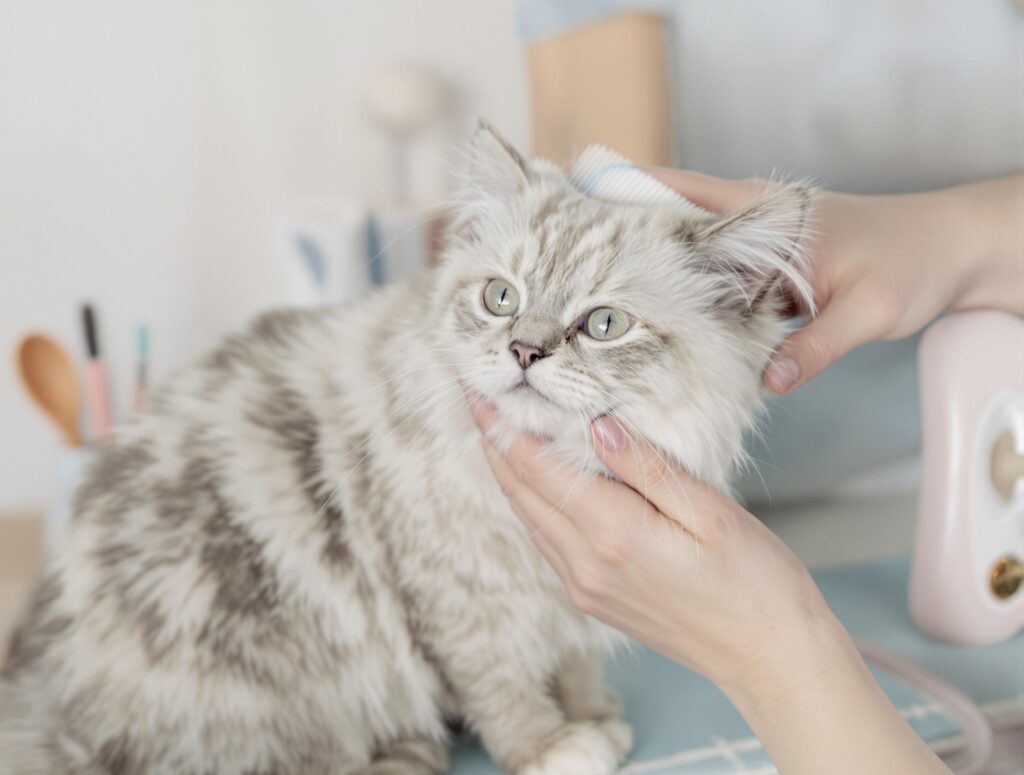
Specific treatments for hair loss in pets will depend on the underlying cause. When encountering a patient with hair loss, veterinarians will take careful notes of the breed/age of the pet, as well as ask historical information from the pet owner. For pets less than one year old, or pets that have been adopted from […]
How to Treat Demodectic Mange in Dogs

Treatment for mange (demodex) infection in dogs and cats varies depending upon whether it is a localized or generalized mange infection. Localized mange treatment About 90% of young, healthy pets with localized mange infection get better within two months even if they are not treated. These pets may benefit from a topical antibacterial agent such […]
How to Treat Fatty Skin Tumors in Dogs

Treatment for fatty skin tumors in dogs may involve surgery, infiltration with calcium chloride, holistic/natural therapies, and a change in diet, such as feeding pet food specifically formulated for weight loss. Treatment for infiltrative fatty tumors requires surgery and radiation. , Giving your dog Omega 3 fatty acids and liver support supplements can help eliminate […]
What Causes Fatty Skin Tumors in Dogs?
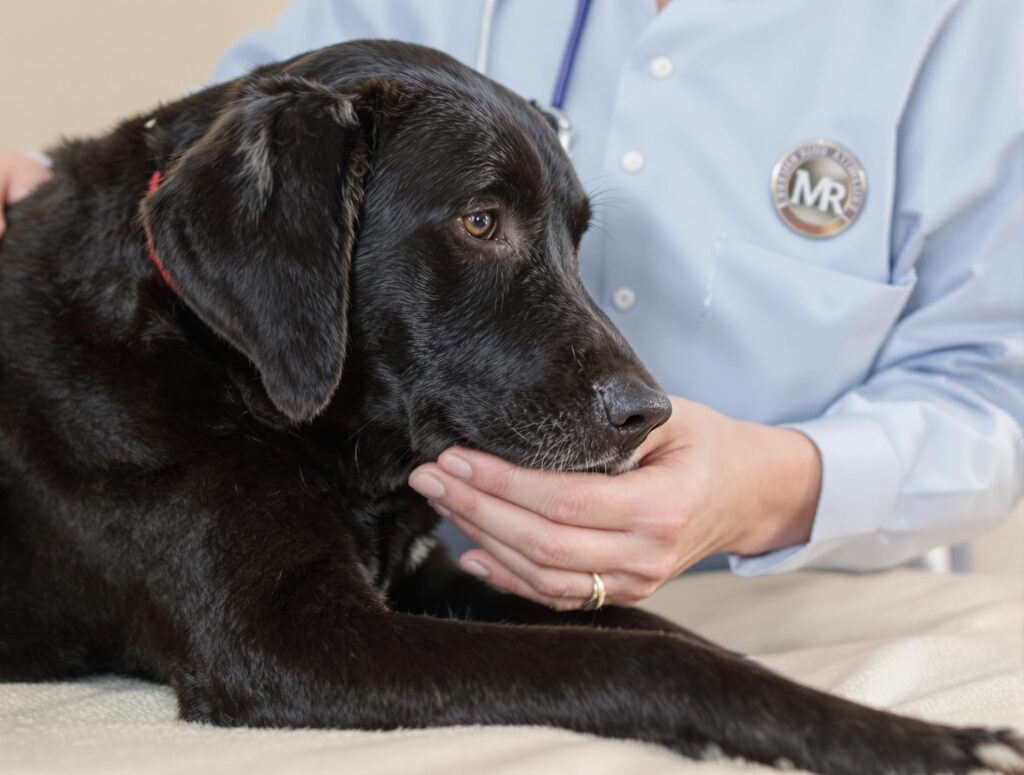
A fatty tumor (or lipoma) in dogs is one of several different types of skin tumors. It is a slow-growing collection of fat cells usually found just under the skin. Fatty tumors are different than normal fat because they form lumps rather than a flat layer under the skin. Fatty tumors are benign, which means […]
Grooming Basics For Your New Puppy or Dog
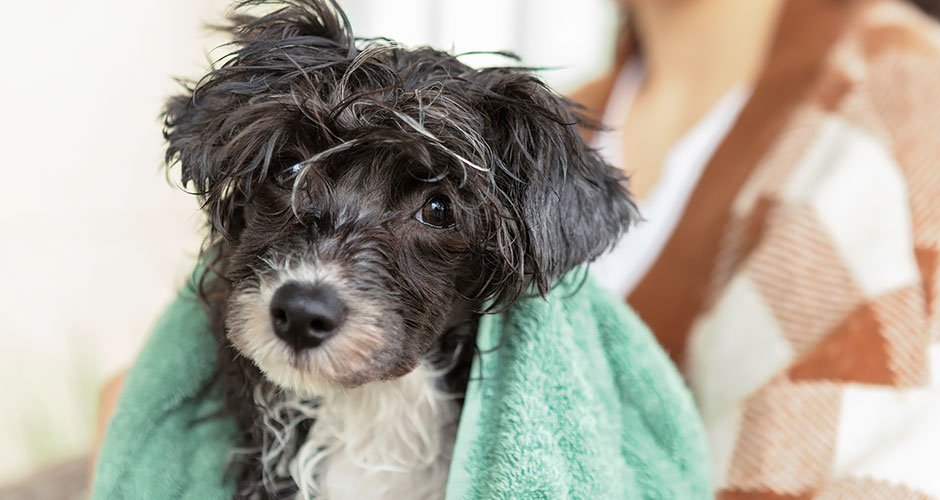
Keep your dog fresh and clean with a daily grooming routine. Regular grooming and maintenance can help keep your dog healthy and clear of infection and can also be an opportunity to check for any concerning lumps, bumps, rashes, or other potential signs of illness. Brushing Your Dog’s Coat Your dog’s daily grooming needs […]
Why Does My Dog Smell Like Fish? Decoding Fishy Odors in Dogs

Do you ever notice a distinct, fishy odor coming from your pet? The usual culprit is your cat or dog’s anal glands. Anal gland issues are common in small dogs and less common in large breeds and cats, though any pet can experience this stinky situation. What Are Anal Glands in Pets? Cats and dogs […]
What Causes Hair Loss (Alopecia) in Cats?

For both dogs and cats, hair loss can all be influenced by: Skin parasites and Infections Allergies Poor Nutrition Abnormal Organ Function Blood Flow Excessive or Deficient Hormones Pet Medications Behavior (excessive grooming or anxiety) Dog and cat hair loss (also called alopecia) is the abnormal thinning or complete loss of hair. Hair loss is […]
Does Poison Ivy Affect Dogs?
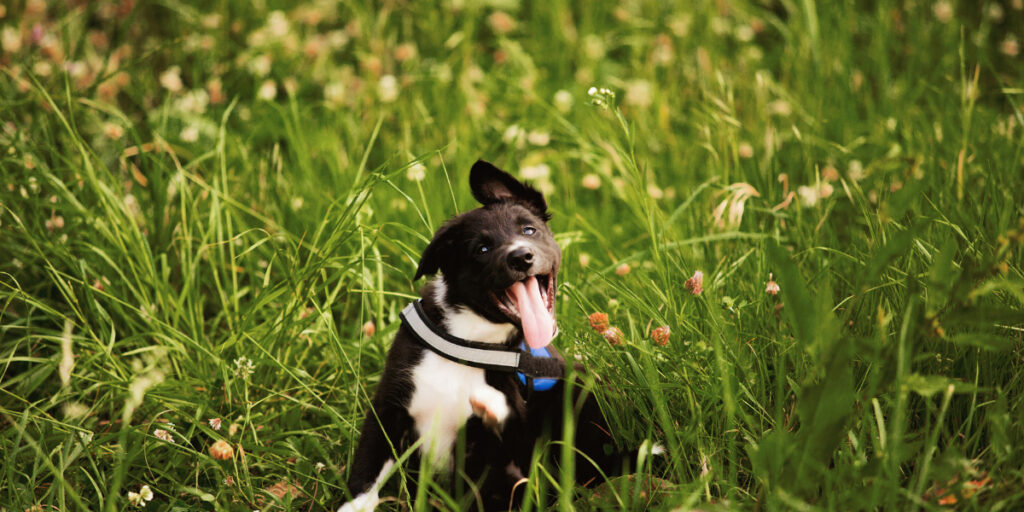
You’ve probably heard the adage, “leaves of three, let it be!” and you may even have had an itchy, blistery rash after brushing up against the wrong plant. But can poison ivy, sumac, and poison oak affect your cat or dog? While pets are less likely to experience direct skin exposure thanks to their fur […]
The Natural Approach to Skin Allergies

Skin and ear allergies are the most common chronic disease complaint presented to veterinarians. The most common cause of chronic skin allergies in our animal companions, especially during the hotter summer months, is fleas. Symptoms of flea bite allergies include lower body itching and skin eruptions or hot spots that emerge often near the tail, […]
Symptoms of Cushing’s Disease in Dogs

Common symptoms of dogs and cats with Cushing’s disease Bald patches on trunk Excessive drinking & urinating (PUPD) Ravenous appetite Swollen abdomen High blood sugar Darkened skin Ringworm & demodex infections Shrunken testicles Irregular heat cycles The majority (80-90%) of pets with Cushing’s disease have ravenous appetites. They drink excessively and urinate excessively (polyuria and […]
Symptoms of Fatty Skin Tumors in Dogs
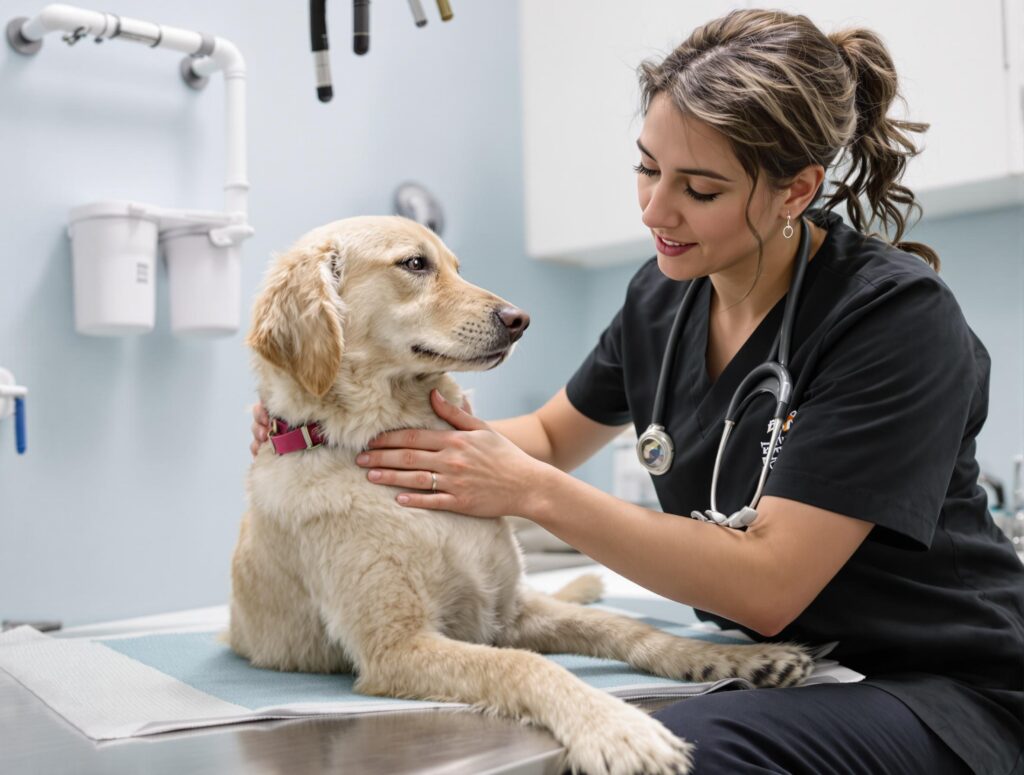
Dogs with fatty skin tumors (lipomas) have a soft, non-painful swelling in the skin that slowly increases in size. The skin over the fatty tumor remains healthy and covered with hair unless the skin rubs against another part of your dog’s body and is damaged by friction. Skin over a fatty tumor normally does not […]
Mange Symptoms in Dogs
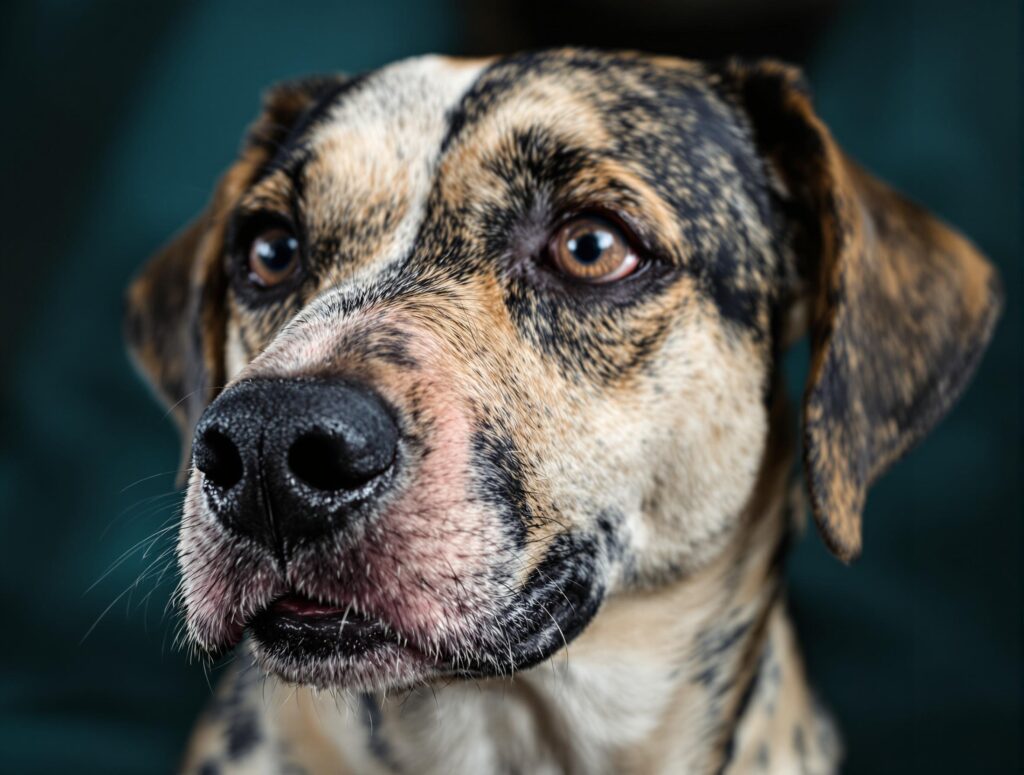
Mange (demodex) in dogs and cats causes skin problems. Your pet’s skin itches—mildly with localized infection and severely with generalized infection. Some pets scratch until they develop bacterial infections along with demodex infections. The hair falls out and bald spots develop. Bald patches, especially around the eyes, mouth, elbows, and front legs are common. The […]