
Kidney Stone Treatment for Dogs

Treatment options for pets with kidney stones If the kidney stones in your dog or cat involve both kidneys, the only way to manage them is to try dissolving the stones using prescription specialty diets or homemade recipes. Many of these diets promote increased thirst to encourage more dilute urine, which can potentially dissolve the […]
How to Treat Urinary Tract Infections in Dogs

Antibiotics are the main form of therapy for pets with urinary tract infections. The course of therapy for pets with first time infections is typically 10-14 days. In pets with recurrent or prolonged urinary tract infections, therapy with antibiotics may last for three to four weeks or even longer. In these cases it is especially […]
Anal Sac Problems & Scooting in Dogs
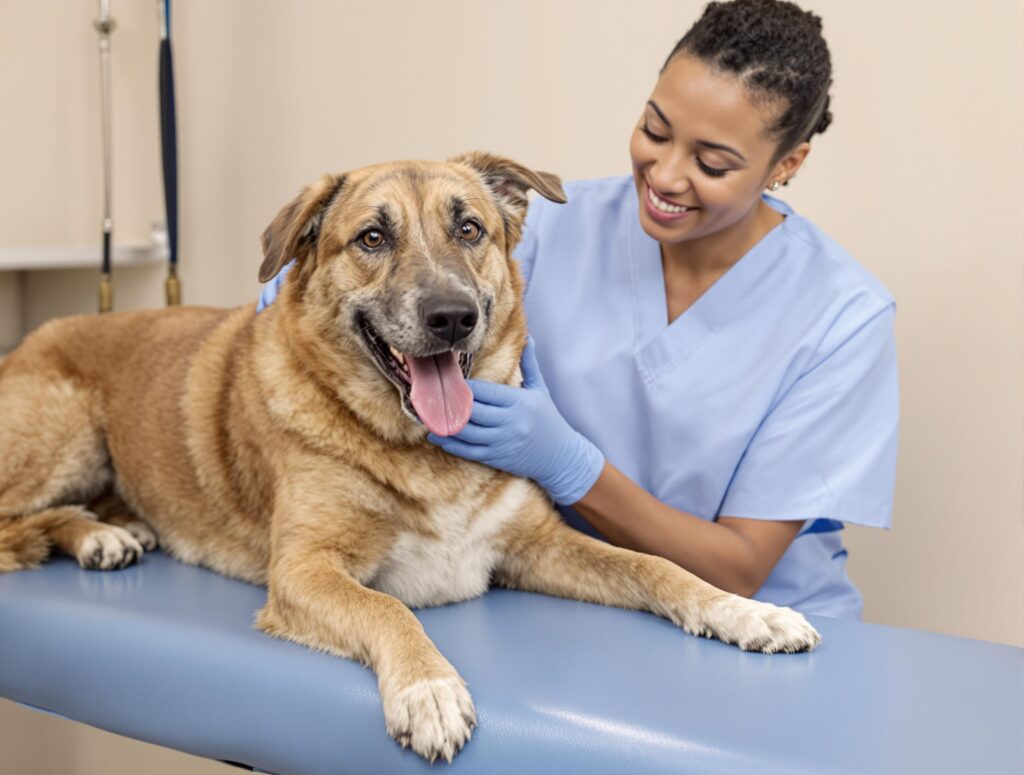
When a dog’s anal sacs are irritated or infected, blood flow to the area increases. The anal area becomes hot, swollen, and painful. This inflammation causes the tiny ducts that empty the anal sacs to swell shut. With the ducts swollen shut, the material within the sac dries out and hardens, first into a paste, […]
Corneal Ulcers in Cats
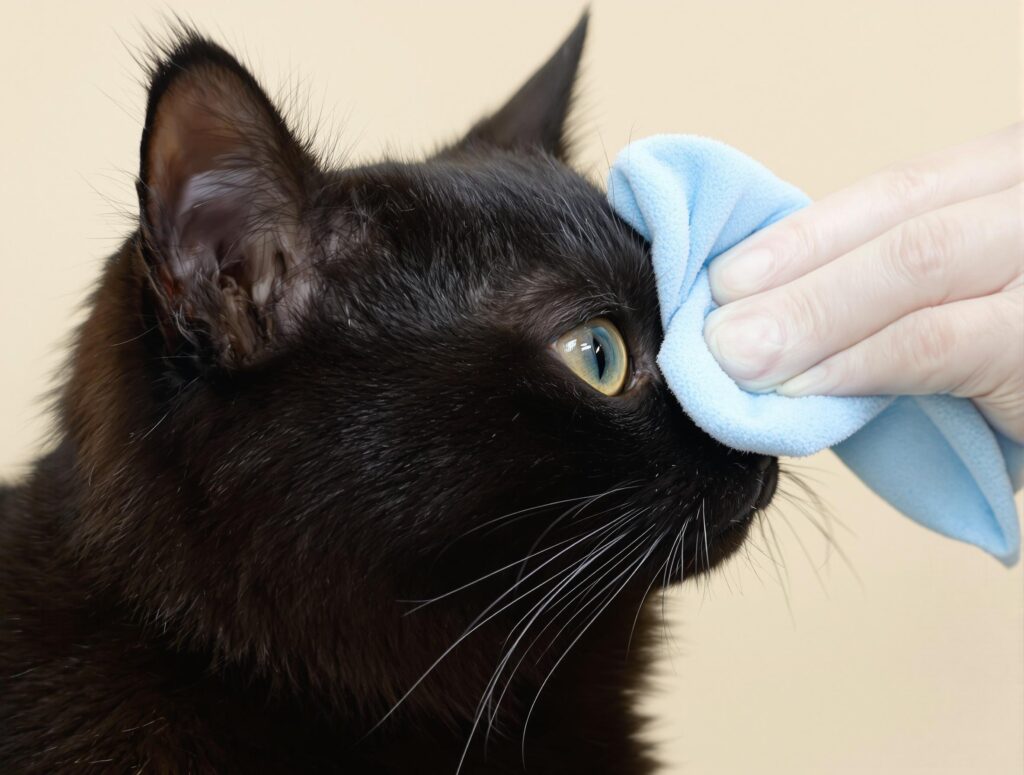
What is a corneal ulcer or irritation? Corneal ulcer or irritation in pets, also called keratitis, occurs when cells covering the clear outer surface of the eye, the cornea, are irritated or become infected. Wind, dust particles, your pet’s own hair, bacteria and viruses can irritate the cornea. A corneal ulcer, also called ulcerative keratitis, […]
What Is the Best Diet for Cats With Kidney Disease?
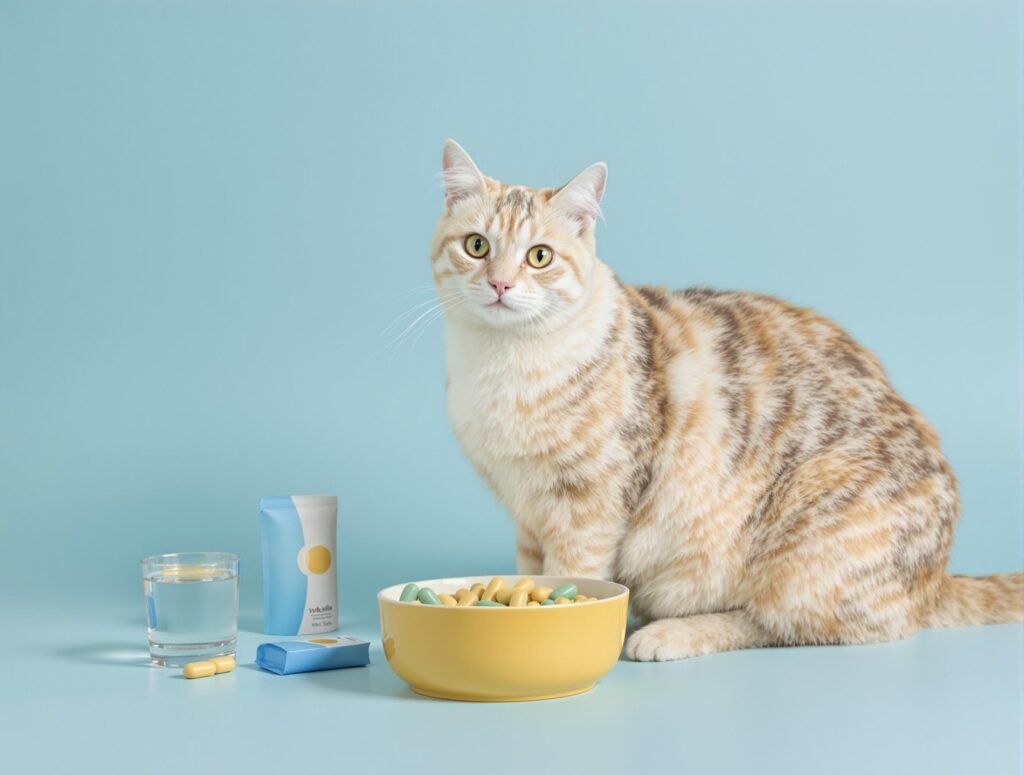
The best diet depends on the stage of kidney disease present as one specific kidney diet does not fit all stages of kidney disease. For early stages of disease, prescription kidney diets may be too restricted and possibly lead to protein malnourishment and muscle loss. However, with advancing kidney failure, certain dietary modifications have been […]
Weight Loss Causes in Cats

Unhealthy weight loss in dogs and cats A significant and sudden decrease in weight accompanied by weakness is considered an unhealthy weight loss in your pet. Being slightly thin is actually a benefit for your pet, as thin pets tend to live longer than overweight pets, but unhealthy weight loss that happens quickly is a […]
How to Treat Glaucoma in Dogs

If your pet’s glaucoma is secondary, meaning it is caused by something else, treatment will addresses the cause, whether it is fungal infection, injury, cancer, etc. Your veterinarian will be able to help properly diagnose and recommend treatment. If there are no secondary conditions, then the glaucoma itself is best treated with surgery. While glaucoma […]
Poisoning in Dogs

Dog and cat poisoning occurs when a pet drinks or eats a harmful substance. The substance affects the brain, heart, liver, lungs, or kidneys so that your pet becomes ill. Illness can be immediate (acute) as with strychnine poisoning, or it can be long-term (chronic) as with swallowing a penny. The illness can be severe, […]
Treatment Options for Dogs With Hip Dysplasia
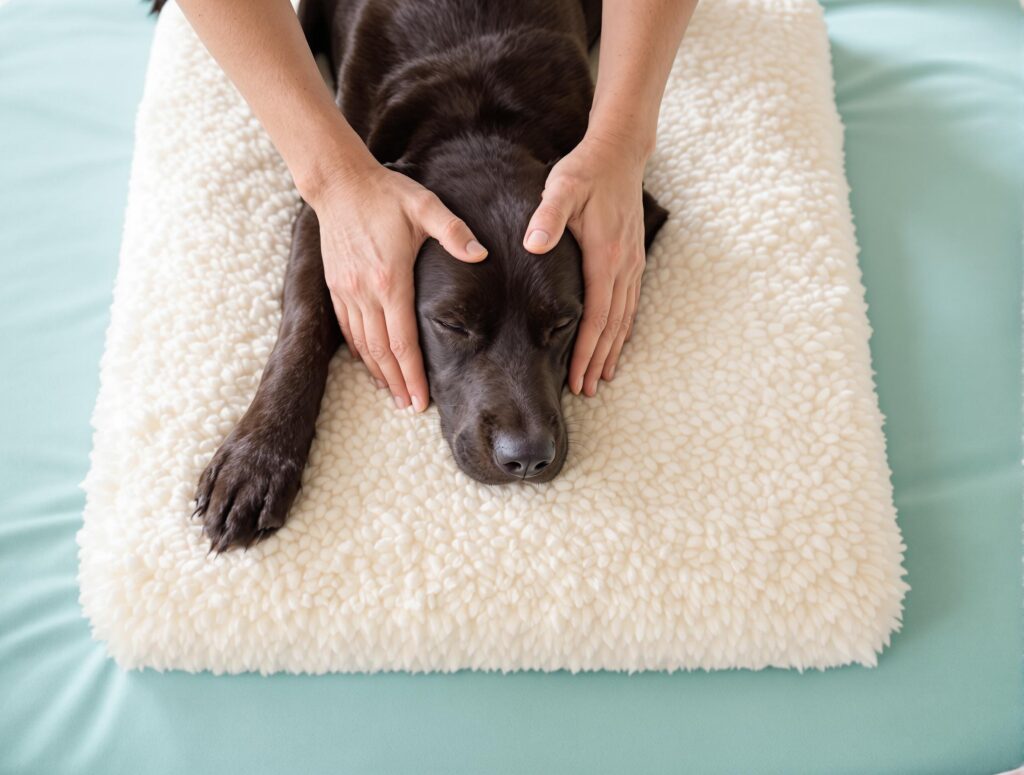
Hip dysplasia in dogs is extremely painful, and it is heartbreaking for any dog owner to have to witness his or her dog suffering. The condition is so serious that your dog will struggle to do normal activities, and the pain so severe that it can even change your dog’s temperament. Most likely, your dog […]
Does My Cat Need Heartworm Prevention?
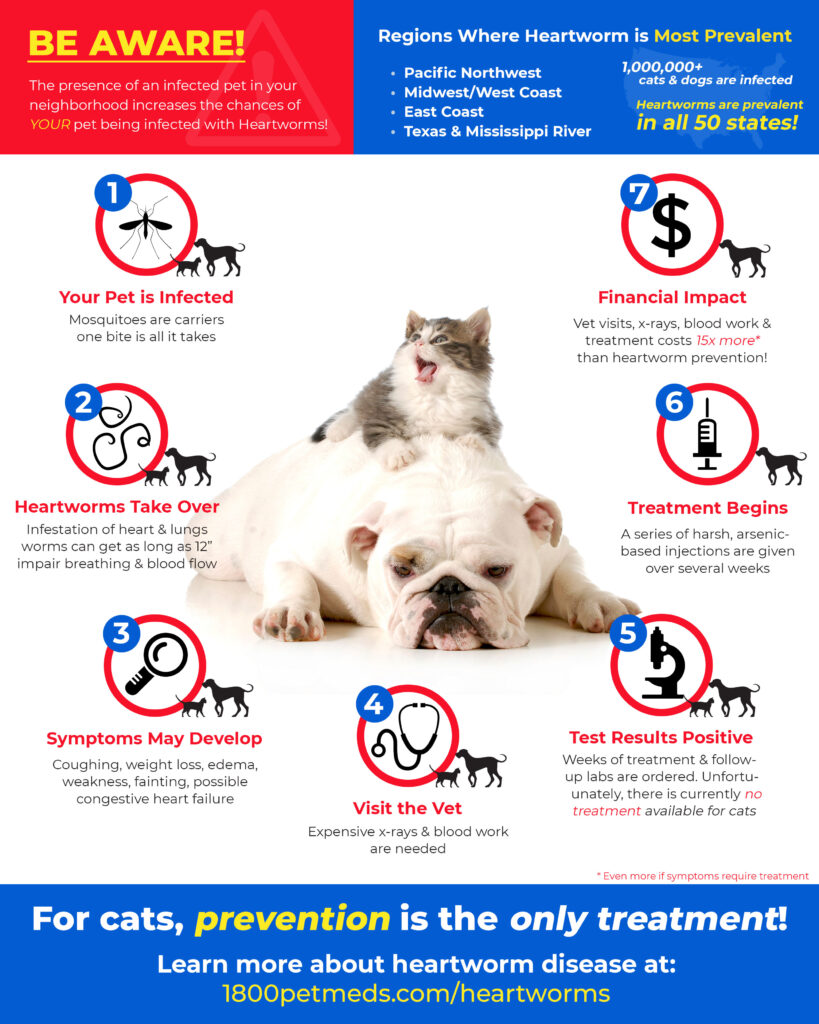
The answer to the question, “Does my pet need heartworm prevention?” is simple, but with complex reasons behind it. Your pet needs to be protected from deadly heartworms 24 hours a day, 7 days a week, 12 months a year. Recommended heartworm prevention medications The American Heartworm Society affirms that cases of heartworm disease have […]
Understanding Canine Hip Dysplasia
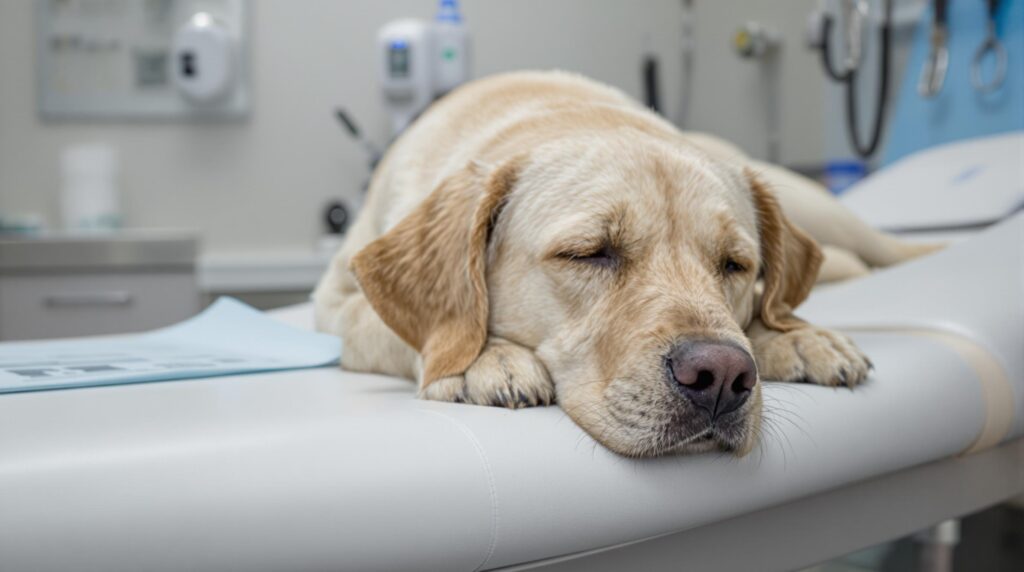
Understanding canine hip dysplasia Canine hip dysplasia is a disease that is genetically transmitted, most commonly among large breed dogs, in which the joints develop abnormally. It is commonly formed when the leg bone slides out of a shallow pelvic socket, causing painful friction. Hip dysplasia may occur in one or both hips, and can […]
How to Treat Fatty Skin Tumors in Dogs

Treatment for fatty skin tumors in dogs may involve surgery, infiltration with calcium chloride, holistic/natural therapies, and a change in diet, such as feeding pet food specifically formulated for weight loss. Treatment for infiltrative fatty tumors requires surgery and radiation. , Giving your dog Omega 3 fatty acids and liver support supplements can help eliminate […]
Hyperthyroidism Treatment in Cat
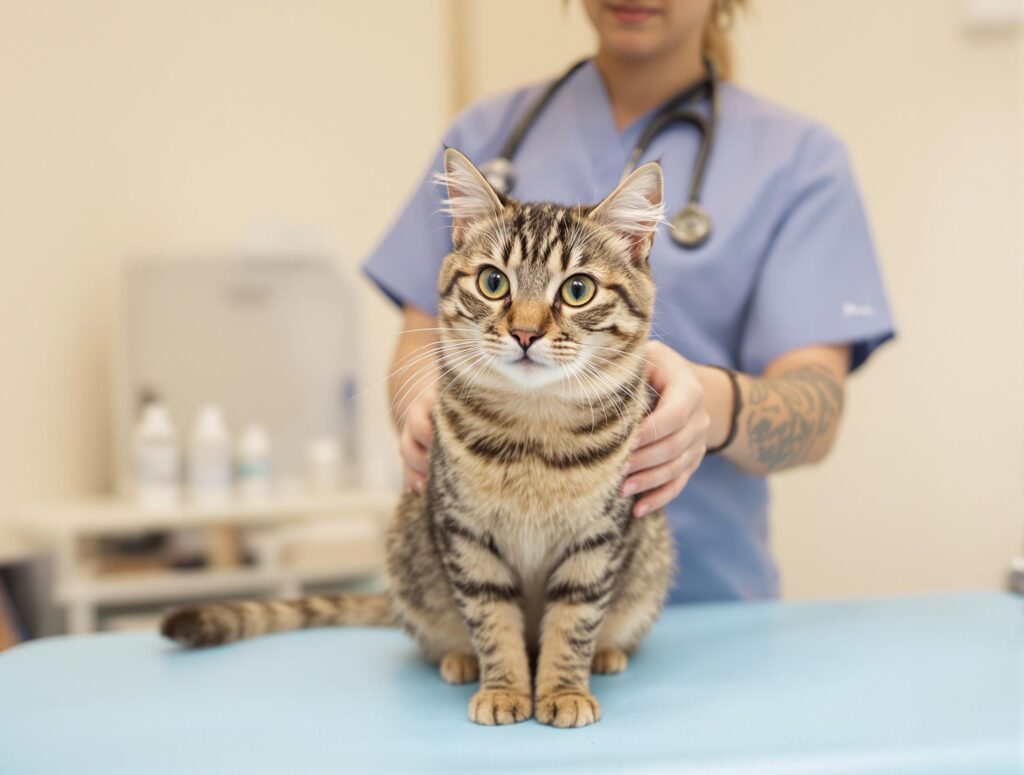
Hyperthyroidism treatment options There are 3 approaches to hyperthyroidism in cats: medication, surgery, and radiation. Hyperthyroidism treatment: Pet medications The prescription hyperthyroid medication Methimazole (brand name, Tapazole) is a tablet given daily. Methimazole can be specially formulated as liquid or as a transdermal gel that can be rubbed onto the ears. While it is generally […]
How Do Dogs Get Worms?

Puppies and kittens are born with intestinal worms. This occurs because worms resting within the mother’s body are stimulated to grow by hormones secreted during pregnancy. The newly developed worms within the mother pass through the placenta (transplacental) and into the young before they are born. In addition, worms are passed through the mother’s milk […]
Vaccine Side Effect Treatment for in Dogs

Treating acute/chronic side effects caused by vaccinations in dogs and cats Mild vaccination reactions in pets such as fever, swelling, and soreness may be treated at home with a short course of an antihistamine such as Diphenhydramine (Generic Benadryl) and/or a non-steroidal anti-inflammatory drug (NSAID) such as Excel Aspirin. More severe acute health or life-threatening […]