
Lymphoma in Dogs
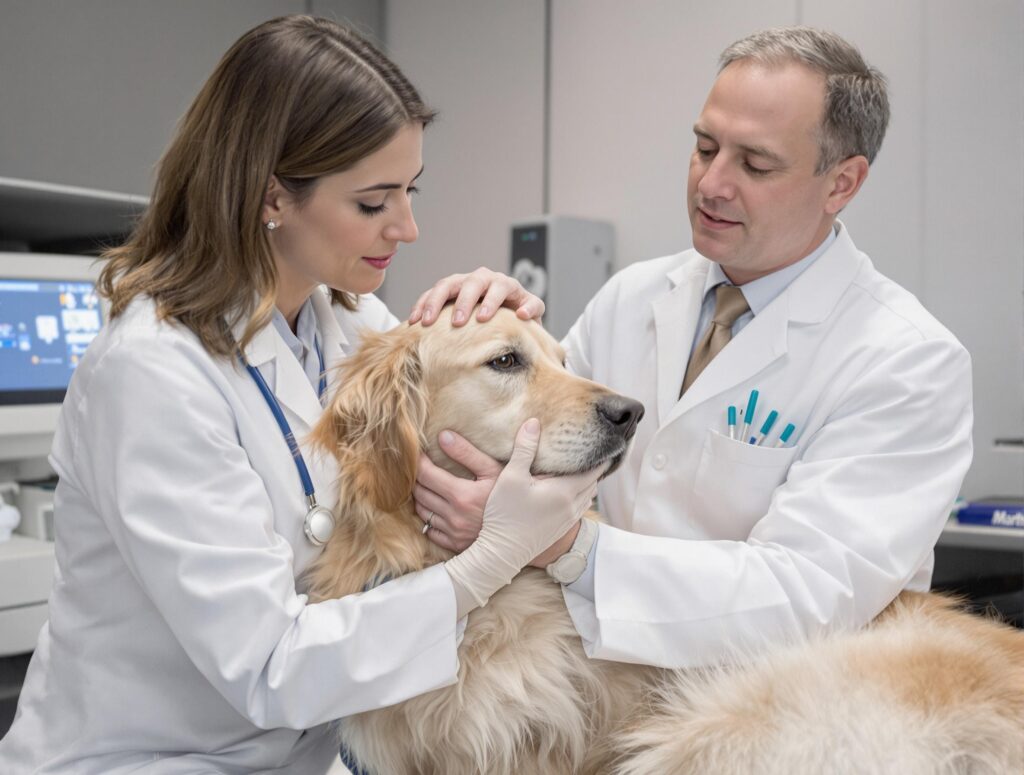
What is lymphoma (lymphosarcoma)? Lymphoma is one of the most common cancers seen in dogs and cats, and may account from anywhere between 10 and 20% of all cancers seen in pets. Pet lymphoma originates in cells known as lymphocytes, which are a specific type of white blood cell of the immune system. Lymph nodes, […]
Inflammatory Bowel Disease in Cats

What is inflammatory bowel disease in dogs and cats? Inflammatory Bowel Disease (IBD) is a complex syndrome seen in dogs and cats where there is inflammation in the lining of the digestive tract leading to chronic gastrointestinal symptoms. Key facts about inflammatory bowel disease in dogs and cats Inflammatory bowel disease is one of the […]
Cushing’s Disease Treatment for Cats

Treatment options for pets with Cushing’s disease If Cushing’s disease is caused by steroid-containing medications, the medications are gradually withdrawn. If the pet’s pituitary (brain) is sending the wrong signals to the adrenal glands or if the adrenals are spontaneously releasing too much cortisol, mitotane (Lysodren), l-deprenyl (Anipryl), trilostane (Vetoryl) or Ketoconazole can be prescribed. […]
Feline Leukemia in Cats

Leukemia means white blood cells (leukocytes) within the blood (emia). With the feline leukemia virus (FeLV) the number of white blood cells is drastically abnormal—either higher or lower than normal. This leads to tumors and overwhelming infections.Leukemia in cats is a contagious disease that causes two potentially fatal problems in cats: Immune system failure, and/or […]
Parvovirus in Dogs

What is parvovirus? Parvovirus in dogs is a potentially fatal infection that damages the intestines and causes severe diarrhea and dehydration. With severe dehydration, blood no longer circulates as it should and your dog may die before diarrhea develops. When the intestine is damaged, blood vessels that nourish the intestine are also damaged. The blood […]
How to Protect Your Dog From Mosquito-Borne Illnesses

How to protect your pet from mosquito-borne illnesses When it comes to our pets, mosquitoes are more than a nuisance—they can be deadly. In fact, the only way your dog or cat can get heartworms is from the bite of an infected mosquito. If your dog develops heartworm disease, treatment is a lengthy process that […]
What Causes Ear Mites in Dogs?

Ear mites are most commonly contracted from outside environments, or areas of poor hygiene and stress, such as pet stores and/or animal shelters. What are ear mites? Ear mites in dogs and ear mites in cats are tiny little creatures rather like spiders. They have eight legs and live on or just under the surface […]
What Causes Lyme Disease in Dogs?

Lyme disease is caused by the microorganismn spirochete Borrelia burgdorferi. There are different ticks in different regions that are carriers of the disease. The tick that commonly transmits Lyme disease in the East and Midwest is Ixodes scapularis; in the West, it’s Ixodes pacificus. What is Lyme disease? Lyme disease is an infection that causes […]
Submissive Urination Treatment for Dogs

Treatment options for submissive urination Treatment of dog submissive urination or incontinence should include a visit to your veterinarian to eliminate the possibility of a health problem. Health problems that can cause incontinence include anatomical abnormality and bladder infection. If there are no health problems, accept that your dog is urinating because he or she […]
Weight Loss Treatment for Cats
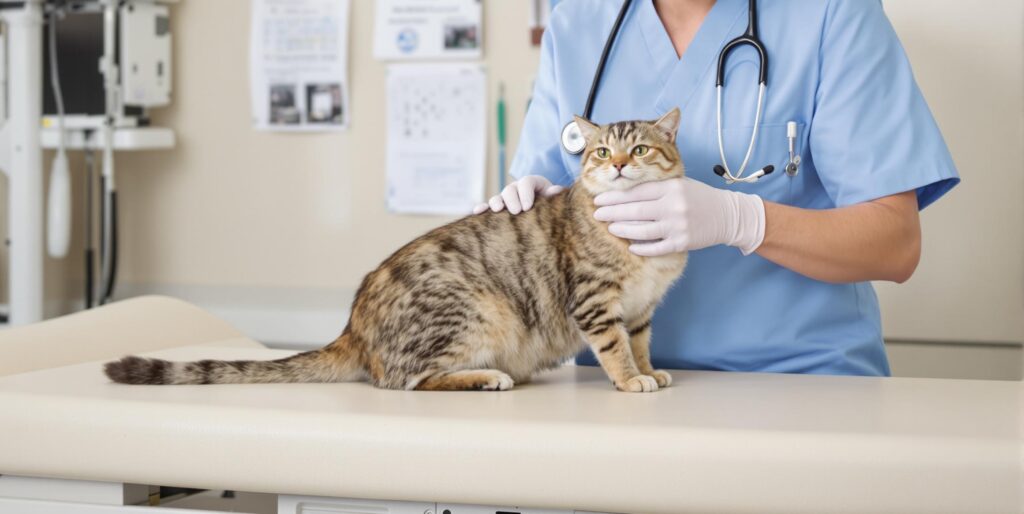
Treating sudden weight loss in pets The appropriate treatment for your pet’s rapid weight loss will depend on what is causing his or her weight loss. Once the cause of the weight loss has been determined, the proper care can be implemented. Following are several treatment options for your pet’s unusual or sudden weight loss: […]
Liver Disease in Dogs
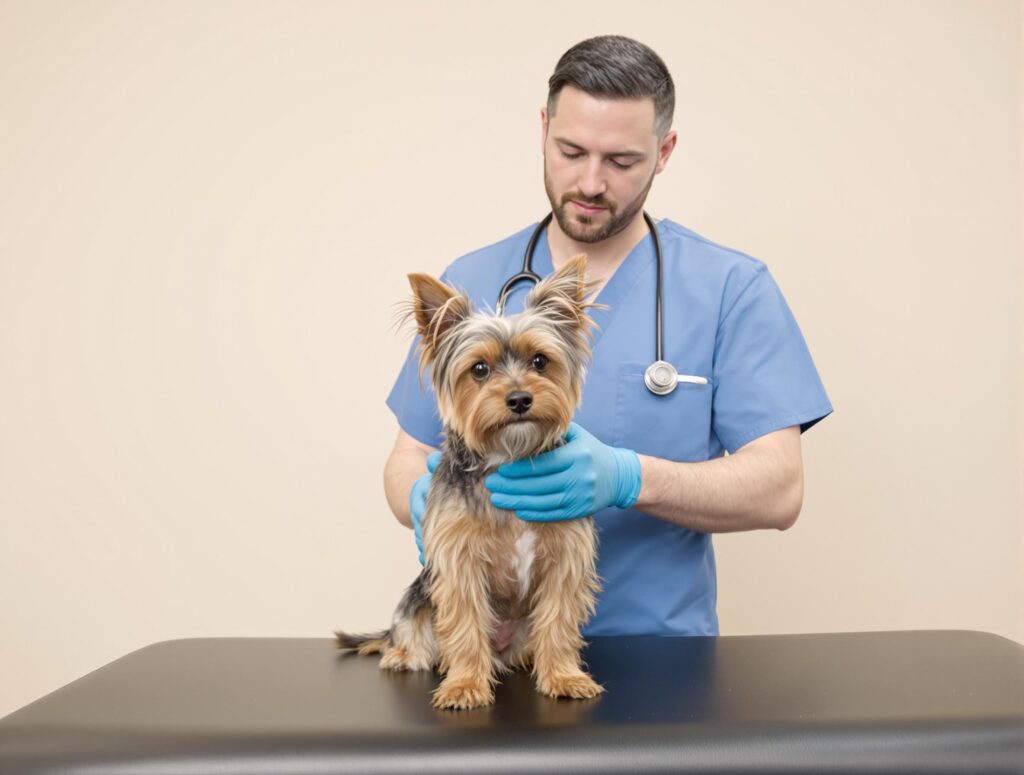
Liver disease in dogs There are many possible causes of liver disease in dogs. Liver disease, also known as hepatitis, is a broad term describing a number of liver conditions. Since the liver has such important functions in the body, the development of liver disease may result in serious health consequences. The liver is responsible […]
What Are Allergies in Dogs?

Allergies in dogs and cats occur when the immune system overreacts to something that isn’t really a threat. For example, reacting to peanuts, air-borne pollen, or laundry detergent—none of which should cause harm. The material that causes an allergic reaction is called an antigen. Antigens are usually proteins. The term “allergen” is often used rather […]
Grooming Basics For Your New Puppy or Dog

Keep your dog fresh and clean with a daily grooming routine. Regular grooming and maintenance can help keep your dog healthy and clear of infection and can also be an opportunity to check for any concerning lumps, bumps, rashes, or other potential signs of illness. Brushing Your Dog’s Coat Your dog’s daily grooming needs […]
Parvovirus Treatment for Dogs

Veterinary treatment for dogs with parvovirus A dog or puppy with parvovirus should receive immediate veterinary care. Treatment will include the following: , IV fluids to counter dehydration Antibiotics to prevent septicemia Probiotics to replenish the normal intestinal flora Injectable vitamins, especially Vitamins B & C to help the immune system Colostrum to provide antibacterial […]
Addison’s Disease in Dogs
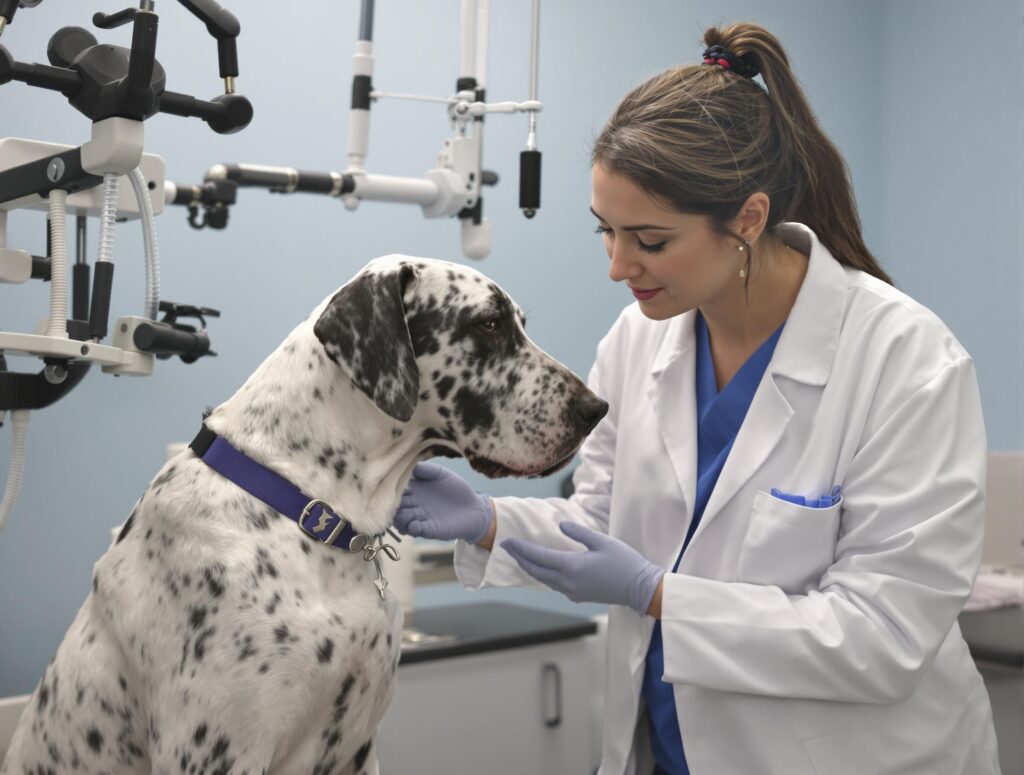
What is Addison’s disease? Addison’s Disease is a deficiency of cortisol (a glucocorticoid) and/or aldosterone (a mineralocorticoid). The deficiency can be caused by faulty brain (pituitary) signals to the adrenal glands or by faulty adrenal glands. Cortisol and aldosterone deficiencies cause the levels of sodium and potassium to be abnormal. Key facts about Addison’s disease […]