
How to Treat a Dog With Allergies

The sad news is that there is no cure for allergies in dogs and cats. There are, however, ways to decrease allergen exposure and to address allergy symptoms in pets. Avoiding allergens Allergens include mites, grasses, molds, and pollens. Elimination of allergens is a challenge. Among the techniques that help are running air filters, keeping […]
The Importance of Heartworm Preventatives
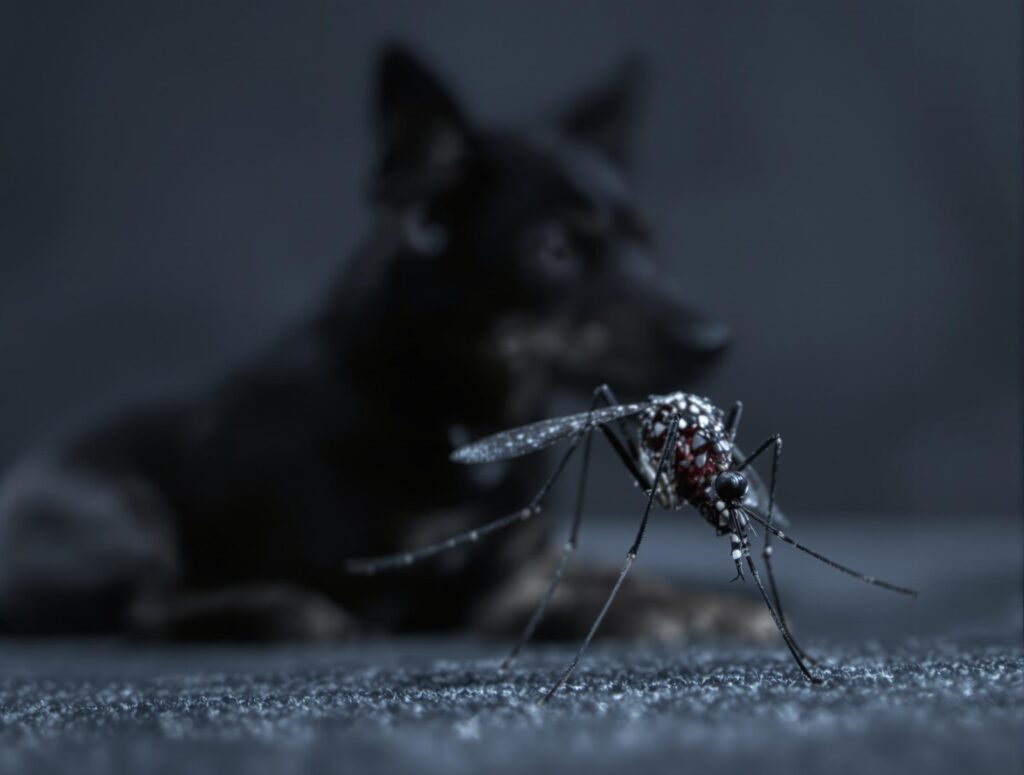
If your pet is not on a monthly heartworm preventative, the risks of contracting this potentially fatal disease are significantly increased. It takes only one heartworm-carrying mosquito to infect your pet. Worst of all, adult heartworms can survive in dogs for up to seven years, and in cats they may survive from a few months […]
Cushing’s Disease in Dogs
What is Cushing’s disease? Cushing’s disease in dogs and cats is an excess of cortisol, the hormone normally released by the adrenal glands when pets are stressed. Cushing’s disease is also called hyperadrenocorticism Key facts about Cushing’s disease in dogs and cats Pets with Cushing’s disease are stressed mentally & physically. Bald patches and skin […]
Hypothyroidism in Dogs

What is hypothyroidism? Hypothyroidism is a deficiency of thyroid hormone. Because the thyroid gland sets the rate at which cells burn energy, a deficiency of thyroid hormone leaves pets dull and listless in body and soul. Key facts about hypothyroidism in dogs Hypothyroid disease is the most common hormone disease of dogs. Pets lose their […]
Kidney Stone Treatment for Dogs

Treatment options for pets with kidney stones If the kidney stones in your dog or cat involve both kidneys, the only way to manage them is to try dissolving the stones using prescription specialty diets or homemade recipes. Many of these diets promote increased thirst to encourage more dilute urine, which can potentially dissolve the […]
How to Treat Urinary Tract Infections in Dogs
Antibiotics are the main form of therapy for pets with urinary tract infections. The course of therapy for pets with first time infections is typically 10-14 days. In pets with recurrent or prolonged urinary tract infections, therapy with antibiotics may last for three to four weeks or even longer. In these cases it is especially […]
Anal Sac Problems & Scooting in Dogs
When a dog’s anal sacs are irritated or infected, blood flow to the area increases. The anal area becomes hot, swollen, and painful. This inflammation causes the tiny ducts that empty the anal sacs to swell shut. With the ducts swollen shut, the material within the sac dries out and hardens, first into a paste, […]
How to Treat Glaucoma in Dogs

If your pet’s glaucoma is secondary, meaning it is caused by something else, treatment will addresses the cause, whether it is fungal infection, injury, cancer, etc. Your veterinarian will be able to help properly diagnose and recommend treatment. If there are no secondary conditions, then the glaucoma itself is best treated with surgery. While glaucoma […]
Poisoning in Dogs
Dog and cat poisoning occurs when a pet drinks or eats a harmful substance. The substance affects the brain, heart, liver, lungs, or kidneys so that your pet becomes ill. Illness can be immediate (acute) as with strychnine poisoning, or it can be long-term (chronic) as with swallowing a penny. The illness can be severe, […]
Treatment Options for Dogs With Hip Dysplasia
Hip dysplasia in dogs is extremely painful, and it is heartbreaking for any dog owner to have to witness his or her dog suffering. The condition is so serious that your dog will struggle to do normal activities, and the pain so severe that it can even change your dog’s temperament. Most likely, your dog […]
Understanding Canine Hip Dysplasia
Understanding canine hip dysplasia Canine hip dysplasia is a disease that is genetically transmitted, most commonly among large breed dogs, in which the joints develop abnormally. It is commonly formed when the leg bone slides out of a shallow pelvic socket, causing painful friction. Hip dysplasia may occur in one or both hips, and can […]
How to Treat Fatty Skin Tumors in Dogs

Treatment for fatty skin tumors in dogs may involve surgery, infiltration with calcium chloride, holistic/natural therapies, and a change in diet, such as feeding pet food specifically formulated for weight loss. Treatment for infiltrative fatty tumors requires surgery and radiation. , Giving your dog Omega 3 fatty acids and liver support supplements can help eliminate […]
How Do Dogs Get Worms?

Puppies and kittens are born with intestinal worms. This occurs because worms resting within the mother’s body are stimulated to grow by hormones secreted during pregnancy. The newly developed worms within the mother pass through the placenta (transplacental) and into the young before they are born. In addition, worms are passed through the mother’s milk […]
Vaccine Side Effect Treatment for in Dogs

Treating acute/chronic side effects caused by vaccinations in dogs and cats Mild vaccination reactions in pets such as fever, swelling, and soreness may be treated at home with a short course of an antihistamine such as Diphenhydramine (Generic Benadryl) and/or a non-steroidal anti-inflammatory drug (NSAID) such as Excel Aspirin. More severe acute health or life-threatening […]
How to Treat Seizures in Dogs
What to do if your pet is having a seizure Seizures stress your pet and your family, but being able to take effective action helps your pet and your family. These are some guidelines: Remain calm and speak to your pet in a soft, comforting voice. Put light pressure on your pet’s eyeballs for a […]