
Submissive Urination Treatment for Dogs

Treatment options for submissive urination Treatment of dog submissive urination or incontinence should include a visit to your veterinarian to eliminate the possibility of a health problem. Health problems that can cause incontinence include anatomical abnormality and bladder infection. If there are no health problems, accept that your dog is urinating because he or she […]
Liver Disease in Dogs
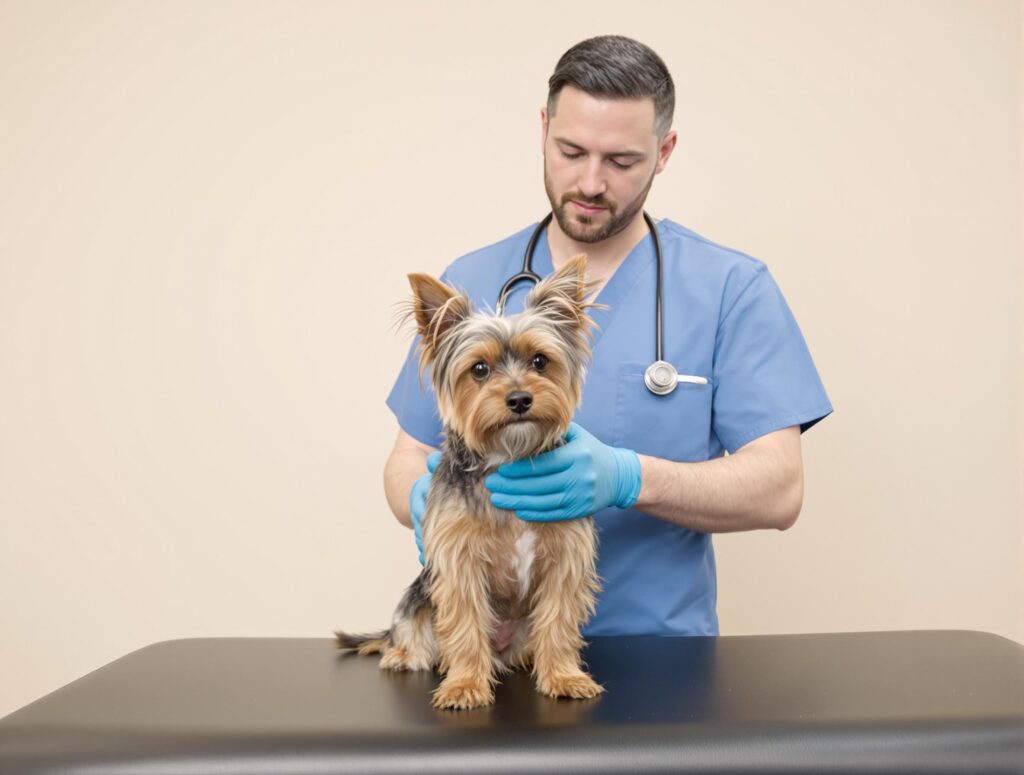
Liver disease in dogs There are many possible causes of liver disease in dogs. Liver disease, also known as hepatitis, is a broad term describing a number of liver conditions. Since the liver has such important functions in the body, the development of liver disease may result in serious health consequences. The liver is responsible […]
What Are Allergies in Dogs?
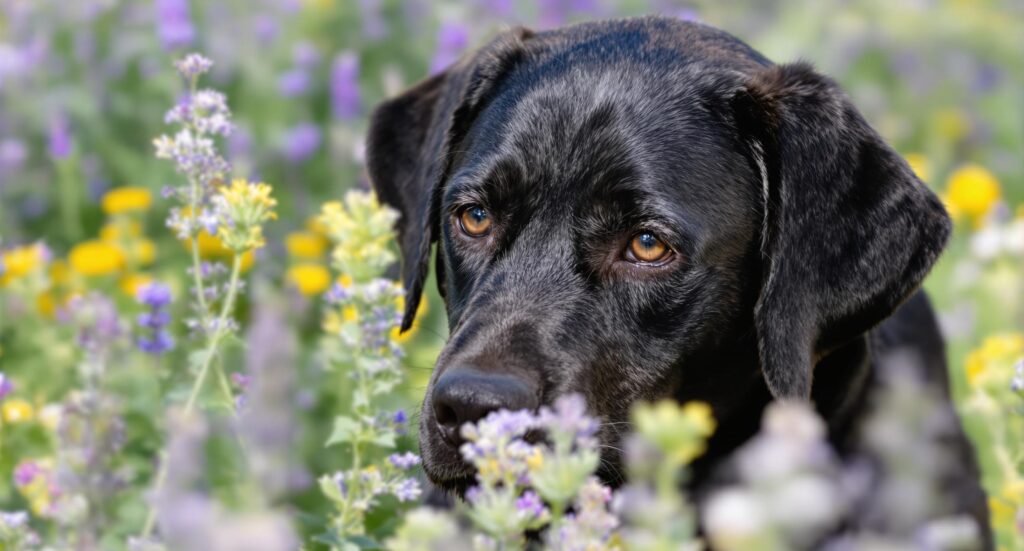
Allergies in dogs and cats occur when the immune system overreacts to something that isn’t really a threat. For example, reacting to peanuts, air-borne pollen, or laundry detergent—none of which should cause harm. The material that causes an allergic reaction is called an antigen. Antigens are usually proteins. The term “allergen” is often used rather […]
Grooming Basics For Your New Puppy or Dog
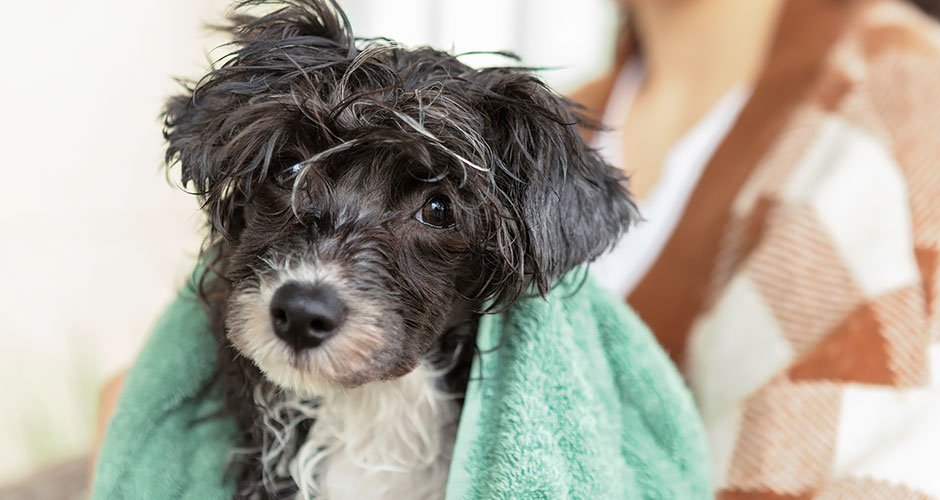
Keep your dog fresh and clean with a daily grooming routine. Regular grooming and maintenance can help keep your dog healthy and clear of infection and can also be an opportunity to check for any concerning lumps, bumps, rashes, or other potential signs of illness. Brushing Your Dog’s Coat Your dog’s daily grooming needs […]
Parvovirus Treatment for Dogs

Veterinary treatment for dogs with parvovirus A dog or puppy with parvovirus should receive immediate veterinary care. Treatment will include the following: , IV fluids to counter dehydration Antibiotics to prevent septicemia Probiotics to replenish the normal intestinal flora Injectable vitamins, especially Vitamins B & C to help the immune system Colostrum to provide antibacterial […]
Addison’s Disease in Dogs
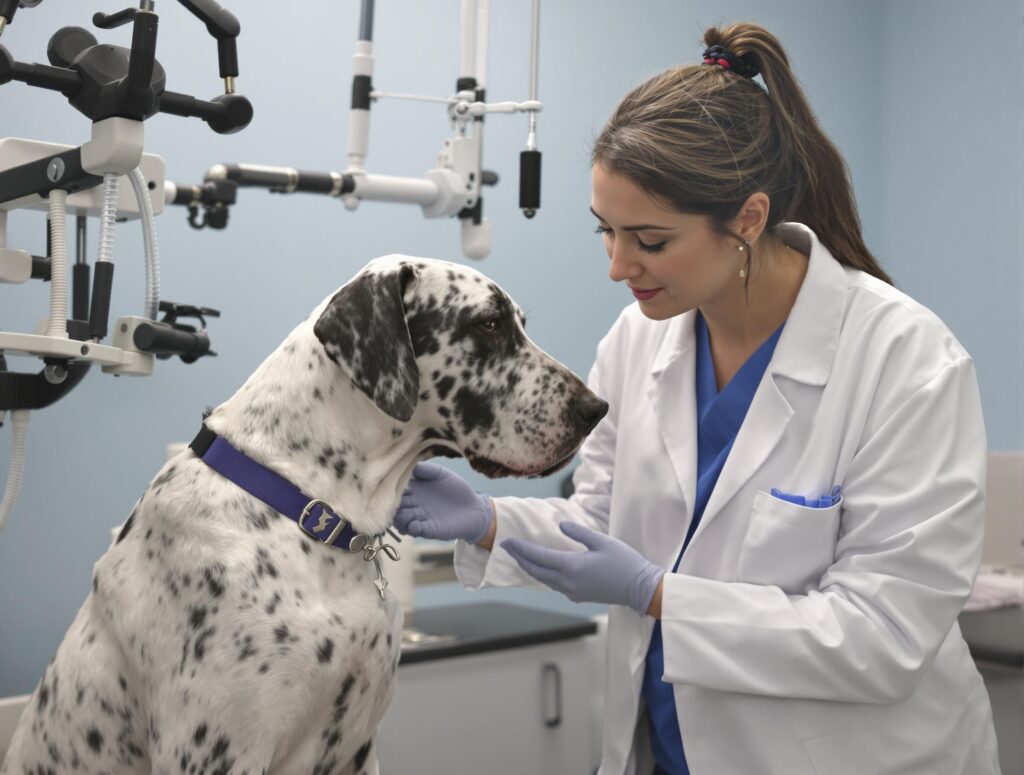
What is Addison’s disease? Addison’s Disease is a deficiency of cortisol (a glucocorticoid) and/or aldosterone (a mineralocorticoid). The deficiency can be caused by faulty brain (pituitary) signals to the adrenal glands or by faulty adrenal glands. Cortisol and aldosterone deficiencies cause the levels of sodium and potassium to be abnormal. Key facts about Addison’s disease […]
Heartworm Disease FAQs
Common questions about heartworms How does heartworm disease affect dogs and cats? When does my pet need heartworm protection? Are heartworms able to transmit between pets? Can humans get heartworms from mosquitoes? Why do heartworm preventatives require a prescription? Are heartworm preventatives harmful to some dog breeds? What should I do if I miss a […]
What Causes Glaucoma in Dogs?
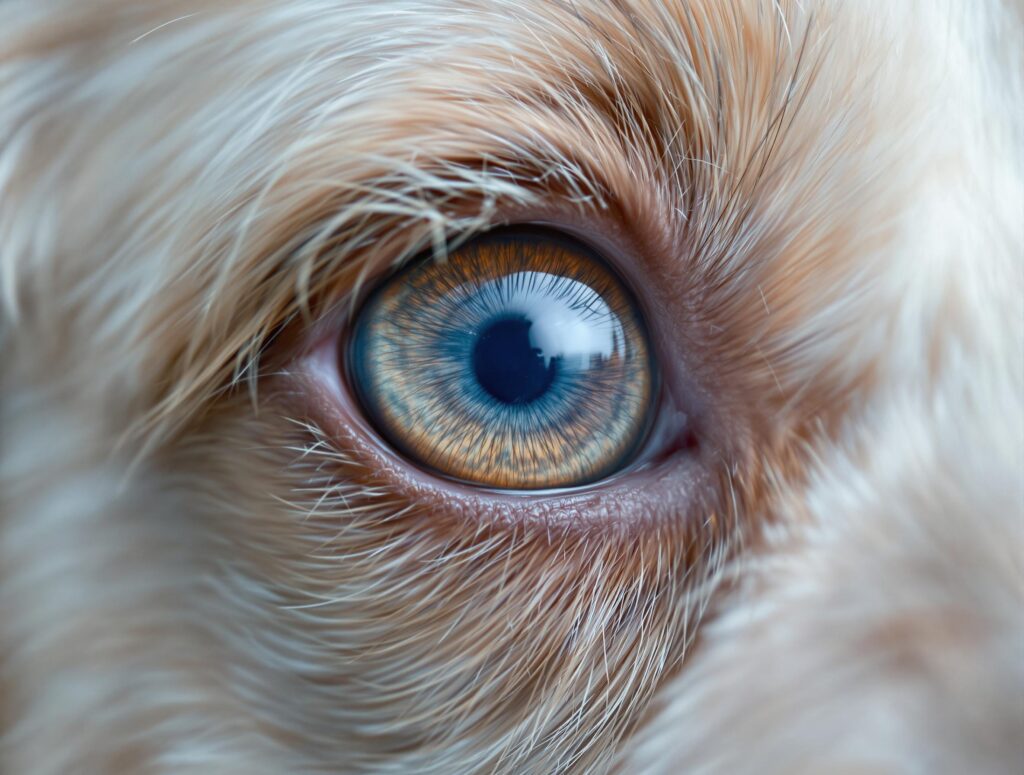
Glaucoma in dogs and cats is increased pressure in the eye. The eye is approximately round, like an egg, but rather than having a hard shell like an egg, the eye has a soft flexible outer covering. The flexible eye would collapse except that it is kept expanded by fluid. The fluid is made within […]
Vomiting Treatment for Dogs
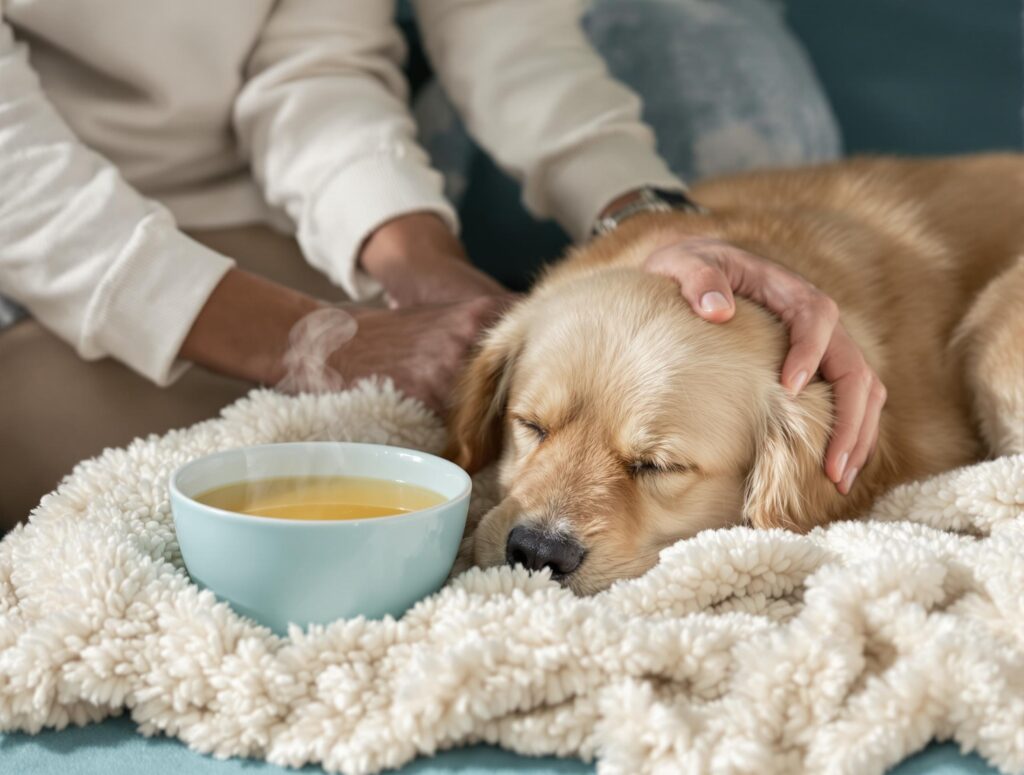
Treatment options for vomiting pets When pet vomiting is short-lived, your pet may need only 24 hours of eating an easily digestible food, such as chicken broth. If vomiting is severe, your pets need IV fluids and hospital care. If vomiting is chronic, your pet may need a highly nutritious diet, fatty acids, and probiotics […]
Heartworms in Dogs

What is heartworm disease? Heartworm disease is caused by a worm that is carried by mosquitoes. Pets become infected when the mosquito bites and sucks blood. Once pets become infected with heartworms, the worms travel pulmonary vessels and lungs. Mature heartworms can be several inches long. As an adult, the heartworm is able to breed […]
Why Does My Dog Smell Like Fish? Decoding Fishy Odors in Dogs
Do you ever notice a distinct, fishy odor coming from your pet? The usual culprit is your cat or dog’s anal glands. Anal gland issues are common in small dogs and less common in large breeds and cats, though any pet can experience this stinky situation. What Are Anal Glands in Pets? Cats and dogs […]
Training & Behavior Basics For Your New Dog
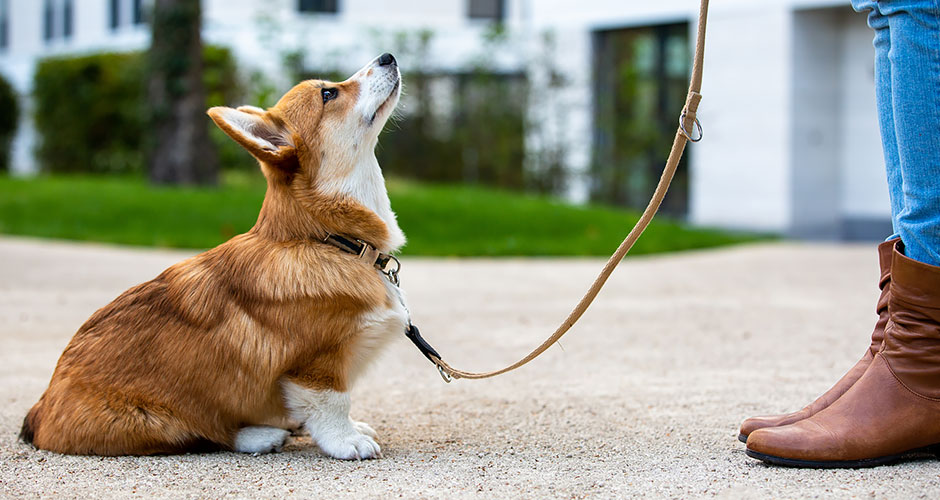
You can start training your dog or puppy the first day you bring them home. From day one, you can begin to set expectations and boundaries so you can raise a dog that’s well-mannered and fun to be around. Crate Training Your New Dog Crate training is an invaluable skill for all dogs, even […]
How to Deworm a Dog
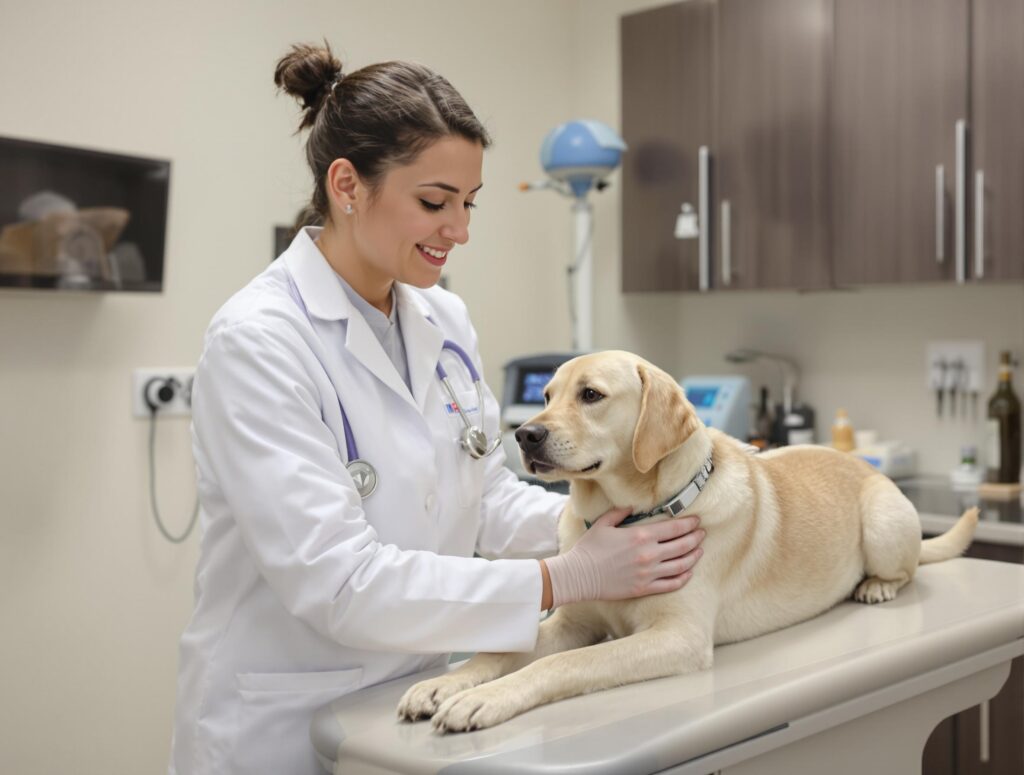
Worms or parasites are one of the more common problems encountered in canine veterinary practice. Several different types of worms may be seen in dogs and puppies: roundworms, hookworms, tapeworms, whipworms, and coccidia. Your veterinarian can recommend an appropriate dewormer for your dog depending on the type of worms your pet has. This is best […]
Inflammatory Bowel Disease Treatment for Dogs
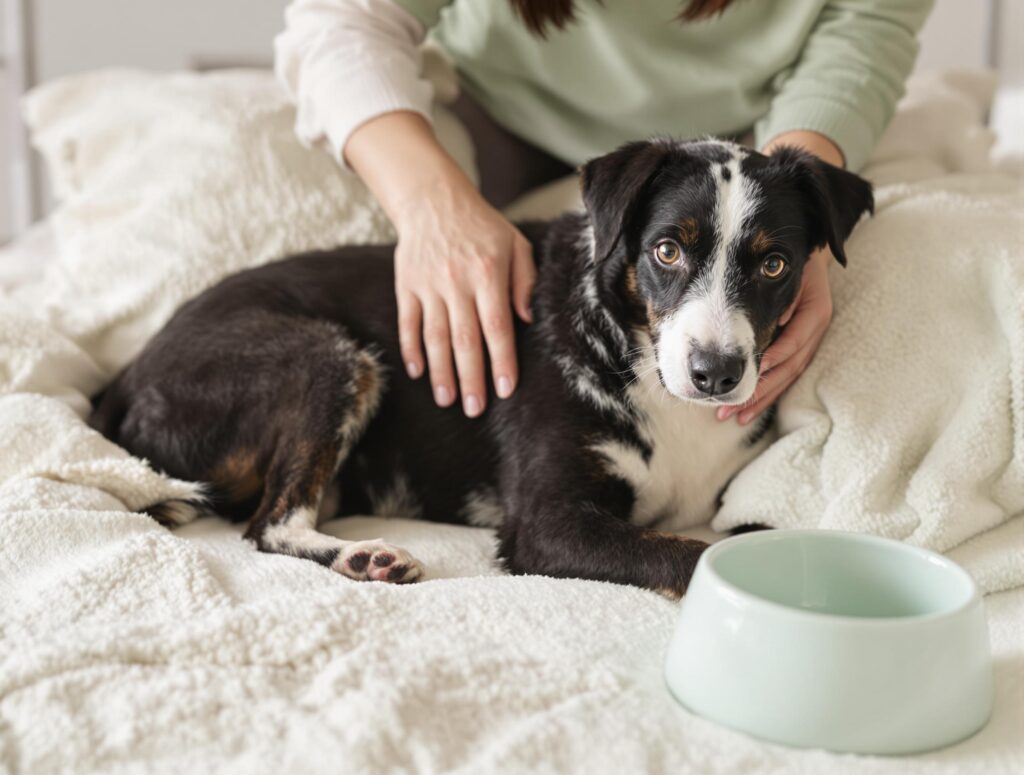
Treating inflammatory bowel disease in dogs and cats The treatment options for pets with suspected inflammatory bowel disease will vary depending upon whether vomiting or diarrhea is present. Many veterinarians will worm pets prophylactally with broad spectrum wormers such as Panacur C in order to treat potential hidden parasites such as whipworms in dogs, and […]
8 Signs of Anal Gland Issues in Dogs
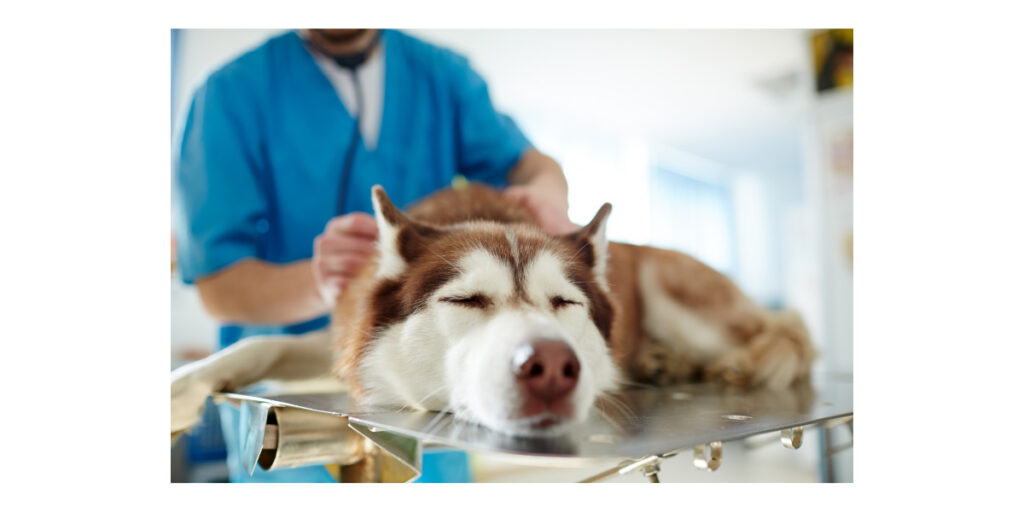
Most dog parents have caught a whiff of their dog’s anal glands at some point. The pair of small sacs, located to the right and left of the underside of the tail, release a brownish, oily fluid that’s surprisingly potent and horrifyingly stinky. It’s normal for them to occasionally go off, but if you’re concerned […]